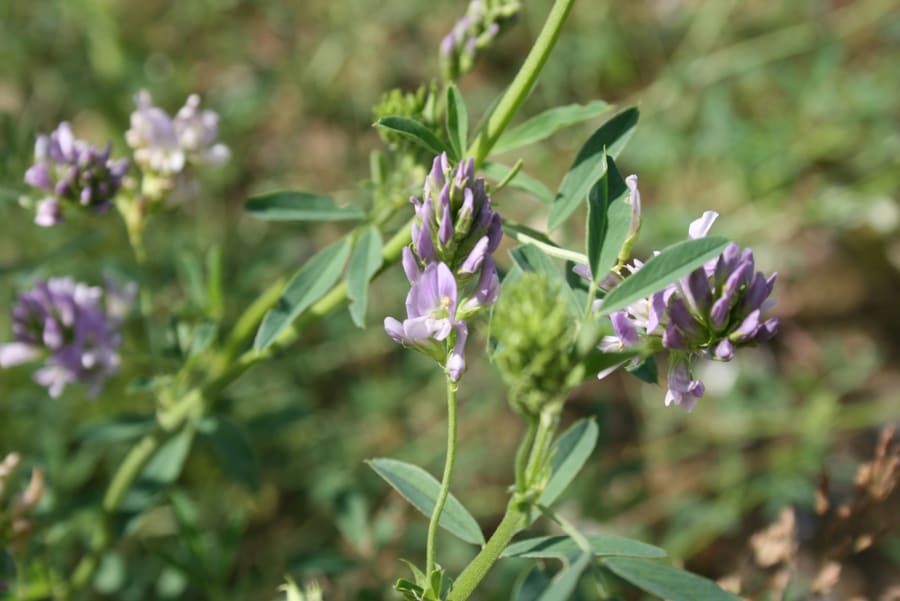
Alfalfa (Medicago sativa)
Photo: Sten Porse · CC BY-SA 3.0
- Head and Neck
- 1 condition
- Licensed photo
Overview
Alfalfa is a perennial herb that can grow to about 32 in (80 cm). It produces trifoliate leaves, flowers ranging from yellow to violet-blue, and spiraling seed pods. It has been called the “king of herbs,” with roots that can extend many feet into the ground to draw up minerals.
Traditional uses & properties
It is mineral-rich and nutritive, often regarded as a mild alterative and blood purifier. Alfalfa has traditionally been used for arthritis, poor appetite, general weakness, and mineral deficiencies. Research and traditional use suggest it may help lower cholesterol and bind certain toxins in the colon. Its isoflavones and coumarins can exhibit estrogenic activity, making it potentially helpful for some menstrual and menopausal concerns.
Traditional preparations
Traditional texts describe the preparations below, and where those texts give specific amounts, the amounts are quoted here as part of that record. This is a record of historical practice, not a dosage recommendation - the figures are what the sources say, not what HerbMate tells you to take. Amounts, potency, and safe use vary enormously by preparation, plant part, and person.
Dried leaf (1:6); 2-10 ml (0.4-2 tsp.) 3 times daily
Alcohol is not a good solvent of minerals, so tinctures are rarely used.
Sprouts may be added to a variety of foods and eaten daily.
1,000-4,000 mg, 2-3 times daily
1 cup 1-2 times daily
Safety & precautions
Alfalfa contains canavanine, which can induce lupus-like symptoms in susceptible individuals or worsen existing autoimmune conditions. Not recommended alongside anticoagulant medications (such as warfarin) because it can interfere with blood-thinning effects. Large amounts of the sprouted seeds, particularly in immunocompromised states or during pregnancy, should be avoided. Excessive daily consumption of seeds may lead to blood clotting problems.
Drug & food interactions
Although it has been suggested that alfalfa may interact with antidiabetic medicines and anticoagulants, evidence for this is largely lacking. Alfalfa may interact with immunosuppressants, and has apparently caused transplant rejection in one patient.
- Food
- No interactions found.
- Theophylline
- No data for alfalfa found.
- Warfarin and related drugs
- Unintentional and unwanted antagonism of warfarin has occurred in patients who ate exceptionally large amounts of some green vegetables, which can contain significant amounts of vitamin K1. It is predicted that alfalfa may contain sufficient vitamin K to provoke a similar reaction. There is no specific clinical or experimental evidence relating to the use of alfalfa with anticoagulants, but alfalfa is predicted to antagonise coumarin anticoagulants based on its vitamin K content. There are some data on the amount of vitamin K in alfalfa, and lots of data on dietary vitamin K and anticoagulant control.
- Digoxin
- No data for alfalfa found.
- Medicine
- No interactions found.
- Antidiabetics
- An isolated case describes a marked reduction in blood-glucose levels in a diabetic patient who took an alfalfa extract. A case report describes a young man with poorly controlled diabetes (reportedly requiring large doses of insulin for even moderately satisfactory control) who had a marked reduction in blood-glucose levels after taking an oral alfalfa aqueous extract. He also had a reduction in his blood-glucose levels in response to oral manganese chloride, but this effect was not seen in 8 other patients with diabetes.
- Paclitaxel
- No data for alfalfa found.
- Tamoxifen
- No data for alfalfa found.
- Antibacterials
- No data for alfalfa found.
- Fexofenadine
- No data for alfalfa found.
- Immunosuppressants
- An isolated report describes acute rejection and vasculitis with alfalfa and/or black cohosh in a renal transplant recipient taking ciclosporin. A stable kidney transplant recipient taking azathioprine 50 mg daily and ciclosporin 75 mg twice daily began to take alfalfa and black cohosh supplements (specific products not stated) on medical advice for severe menopausal symptoms. Her serum creatinine rose from between about 97 and 124 micromol/L up to 168 micromol/L after 4 weeks, and to 256 micromol/L after 6 weeks with no associated change in her ciclosporin levels. Biopsy revealed severe acute rejection with vasculitis and she was treated with corticosteroids and anti-T-lymphocyte immunoglobulin with partial improvement in renal function
These entries keep the wording of the reference they come from, and three phrases mean three different things. "No interactions found" means the source looked for reports of that pairing and found none. "No data found" means nothing has been published either way. "Based on experimental evidence only" means the effect has been seen in a laboratory or animal study but not in people - a reason for caution, not a report of harm.
Habitat
Originally found in Europe, Asia, and North Africa, it now grows worldwide, especially in temperate zones, often as a fodder crop. It thrives in meadows and open cultivated areas, usually harvested in the summer.
Traditionally used for
Each condition shows its first 2 remedies free. Premium opens the full remedy list for every condition - or come back for the free Condition of the Day.
Frequently asked questions
What is Alfalfa (Medicago sativa) traditionally used for?
Traditional sources describe Alfalfa (Medicago sativa) as follows: It is mineral-rich and nutritive, often regarded as a mild alterative and blood purifier. Alfalfa has traditionally been used for arthritis, poor appetite, general weakness, and mineral deficiencies. Research and traditional use suggest it may help lower cholesterol and bind certain toxins in the colon. Its isoflavones and coumarins can exhibit estrogenic activity, making it potentially helpful for some menstrual and menopausal concerns.
How is Alfalfa (Medicago sativa) prepared?
Traditional texts describe the preparations below, and where those texts give specific amounts, the amounts are quoted here as part of that record. This is a record of historical practice, not a dosage recommendation - the figures are what the sources say, not what HerbMate tells you to take. Amounts, potency, and safe use vary enormously by preparation, plant part, and person. GLYCERITE: Dried leaf (1:6); 2-10 ml (0.4-2 tsp.) 3 times daily TINCTURE: Alcohol is not a good solvent of minerals, so tinctures are rarely used. FRESH HERB: Sprouts may be added to a variety of foods and eaten daily. BULK POWDER, CAPSULES, AND TABLETS: 1,000-4,000 mg, 2-3 times daily SOUTHERN DECOCTION: 1 cup 1-2 times daily
What safety cautions apply to Alfalfa (Medicago sativa)?
Alfalfa contains canavanine, which can induce lupus-like symptoms in susceptible individuals or worsen existing autoimmune conditions. Not recommended alongside anticoagulant medications (such as warfarin) because it can interfere with blood-thinning effects. Large amounts of the sprouted seeds, particularly in immunocompromised states or during pregnancy, should be avoided. Excessive daily consumption of seeds may lead to blood clotting problems.
Related herbs
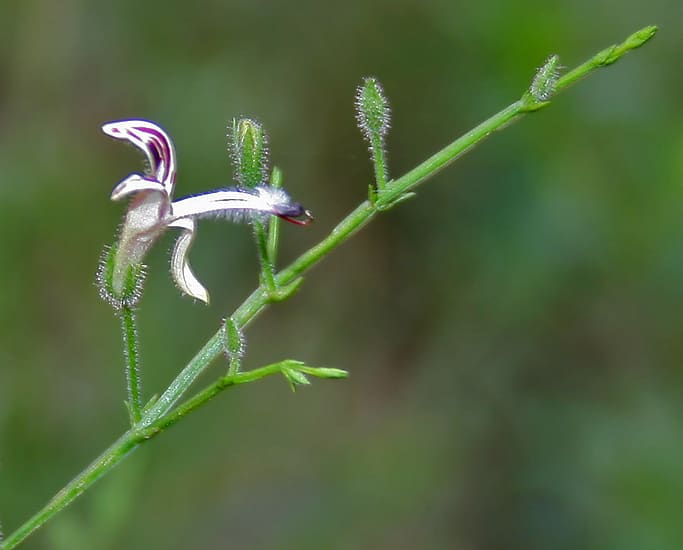 Andrographis (Andrographis paniculata)
Andrographis, commonly known as Green Chiretta or King of Bitters, is an upright annual herb reaching approximately 3 feet in height. Native to India and cultivated throughout northern regions of India and China, this bitter medicinal plant has been valued in Ayurvedic and traditional Chinese medicine for centuries. Historically used primarily for liver support and treating infections - especially malaria - it has earned recognition for its powerful immune-boosting and protective properties. The plant thrives on plains and in forest undergrowth, where its spotted pale brown or purple flowers and long seed capsules distinguish it from other medicinal herbs.
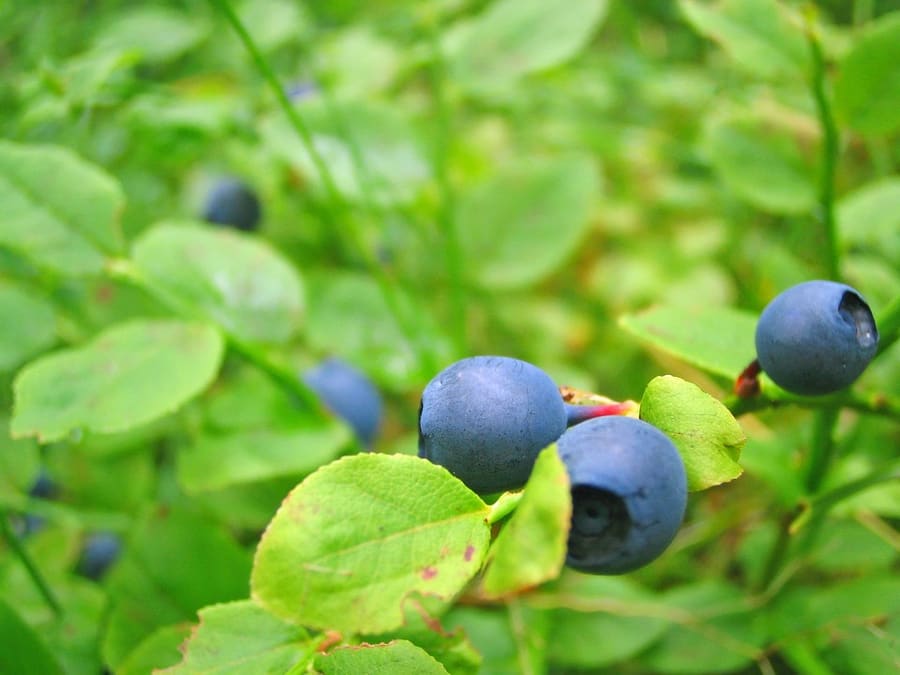 Bilberry (Vaccinium myrtillus)
Bilberry (Vaccinium myrtillus) is famous for improving night vision and promoting eye health, largely due to its anthocyanidin content that supports retinal function and strengthens capillaries. It is closely related to the blueberry, and they can be used interchangeably in many cases. Bilberry fruit can help address circulatory issues, particularly in smaller blood vessels.
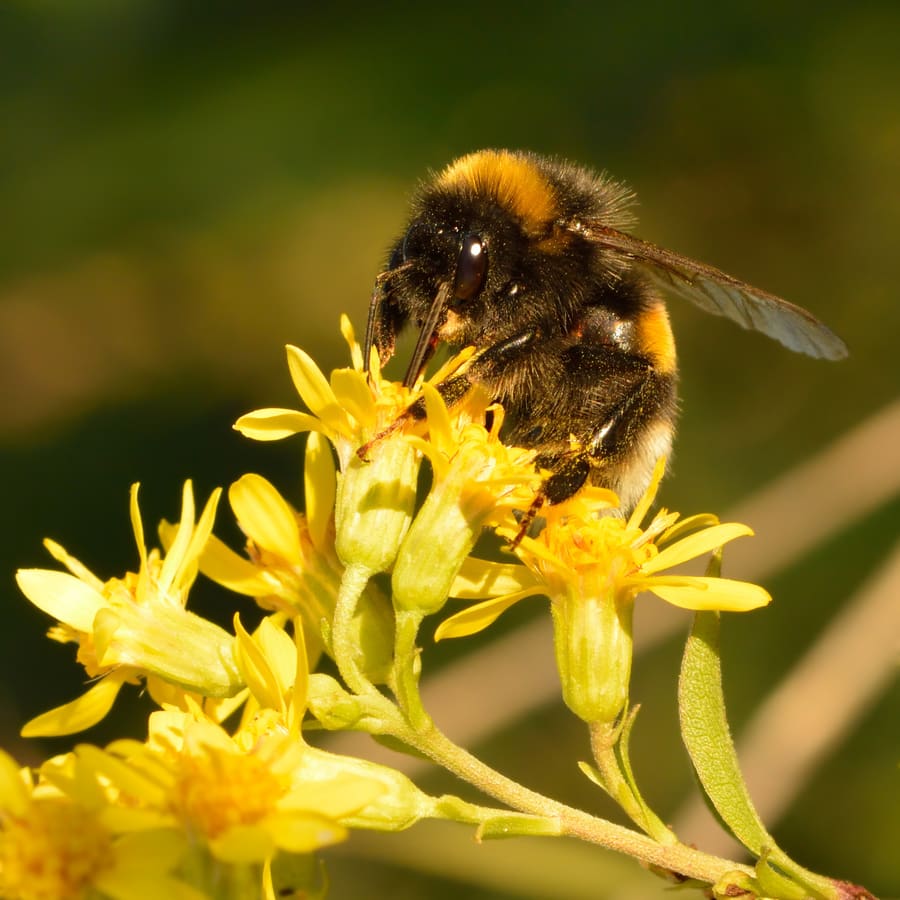 Goldenrod (Solidago virgaurea)
Goldenrod is a perennial plant growing to 28 inches with toothed leaves and branched spikes of golden-yellow flowers. Native to Europe and Asia and naturalized in North America, it prefers open areas and hillsides and is gathered in summer while in flower. The herbalist John Gerard commented wryly in 1597 about how goldenrod's value plummeted once it was discovered growing locally in Hampstead wood, London, noting society's tendency to esteem things only while they remain rare and foreign. Four hundred years later, this observation still rings true, though the herb's genuine therapeutic value remains unchanged.
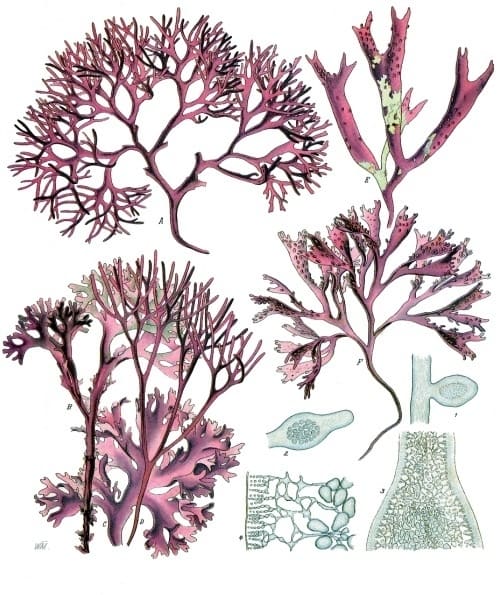 Irish Moss (Chondrus crispus)
Irish moss is a reddish-brown seaweed growing to 10 inches, with a flat, forked plant body and fan-shaped outline. Found on the Atlantic coasts of Europe and North America, it grows just below the waterline, attached to rocks and stones. In summer in North America and in autumn in Ireland, it is pulled up by hand or with a rake at low tide and dried in the sun. This seaweed is used extensively in the food and pharmaceutical industries as an emulsifying and binding agent, appearing in products such as toothpastes. Its polysaccharides become jelly-like and demulcent when immersed in water, making it valuable both as a food ingredient and medicinal herb.
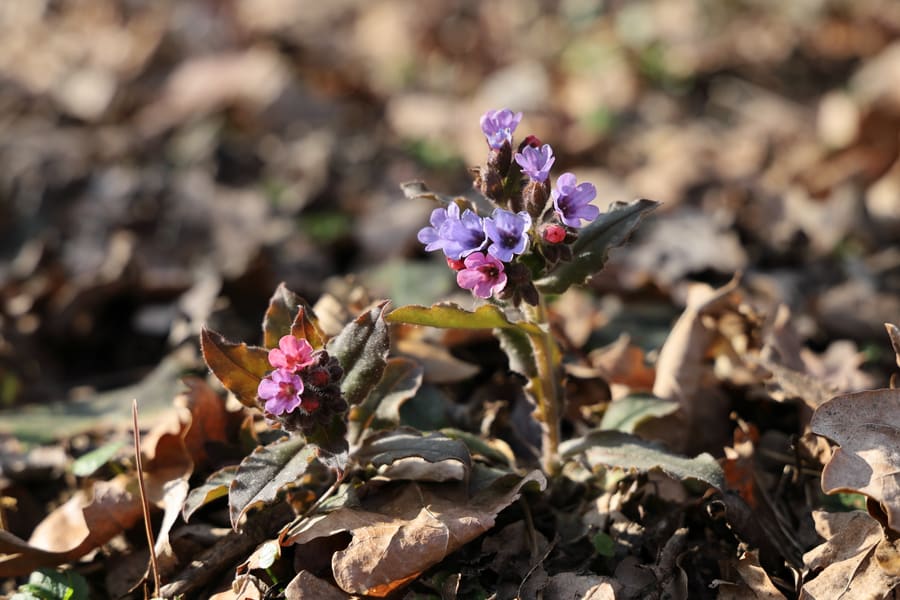 Lungwort (Pulmonaria officinalis)
Lungwort is a perennial herb growing to 1 foot with broad oval basal leaves, smaller upper leaves mottled with white spots, and clusters of pink-purple flowers. Native to Europe and the Caucasus, it flourishes in mountain pastures and damp sites. The leaves are gathered in late spring. According to the medieval Doctrine of Signatures, which held that a plant's appearance pointed to the ailment it treated, lungwort was effective for chest ailments because its leaves were said to resemble lung tissue. This folk belief, while not scientifically founded, turned out to have merit - the herb is indeed valuable for respiratory conditions.
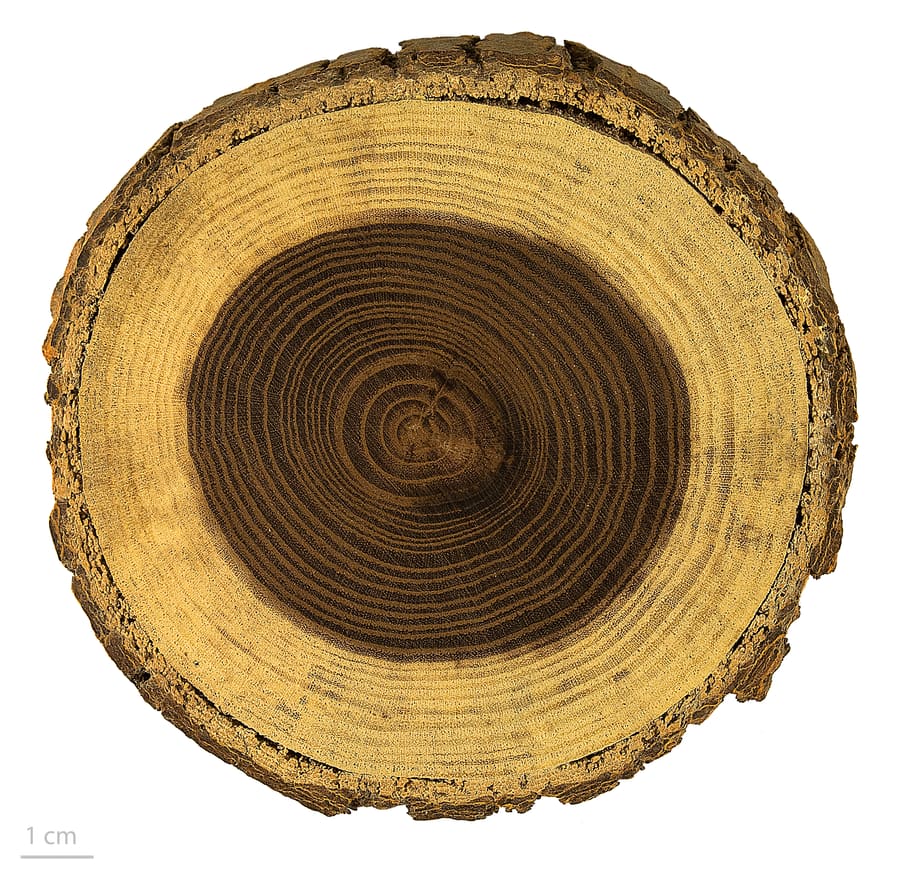 Mulberry Leaf (Morus alba)
White mulberry is a deciduous tree cultivated for over 5,000 years, primarily known as the preferred food source for silkworms. The leaves contain flavonoids with antioxidant properties along with vitamins A, B1, B2, and C. In traditional Chinese medicine, mulberry leaves have been valued for their expectorant and fever-reducing properties.
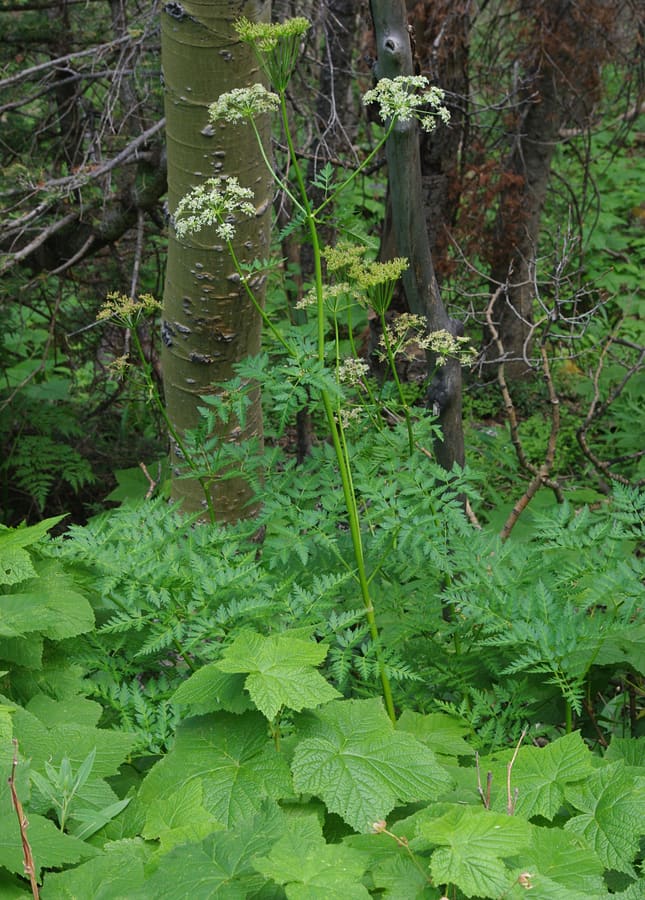 Osha (Ligusticum porteri)
Osha is a powerful respiratory remedy that has been overharvested in the wild and is extremely difficult to cultivate. It is listed on the United Plant Savers at-risk list. The root has been traditionally valued for its ability to stimulate the digestive and immune systems while expelling mucus. Until wild populations stabilize, its use should be limited, with alternatives like pine, grindelia, and ginger recommended as replacements.
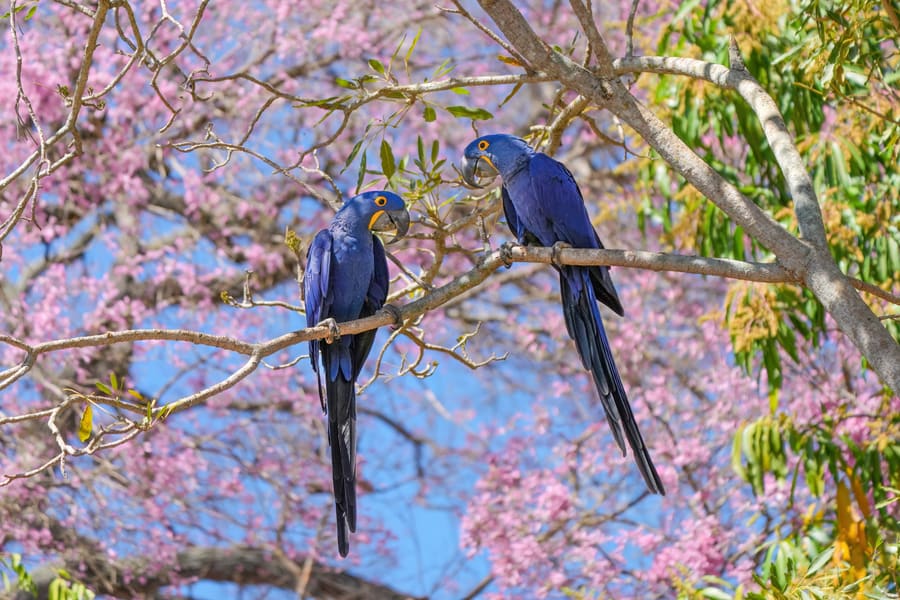 Pau d'Arco (Tabebuia impetiginosa)
Pau d'arco is an evergreen tree that can reach 100 feet in height, producing pink flowers. The bark of this South American tree has been treasured for centuries in traditional medicine for its extensive health benefits. Indigenous peoples including the Incas and the Callawaya valued it as a cure-all. The tree grows in both mountainous terrains high in the Andes and in low-lying areas of Paraguay and Brazil. The prized inner bark is collected from wild-growing trees throughout the year.