
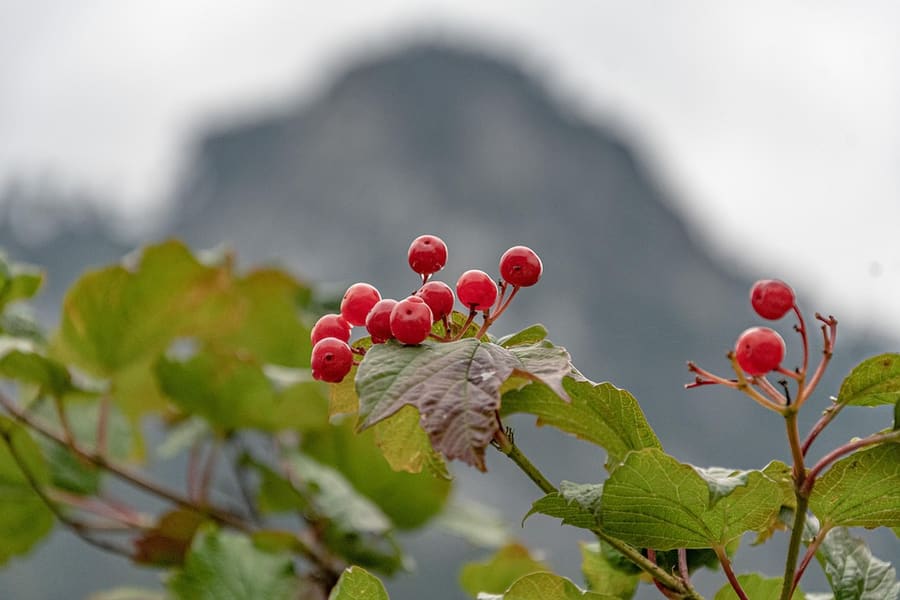
Cramp Bark (Viburnum opulus)
Photo: Pixabay
- Female Reproductive
- 1 condition
- Licensed photo
Overview
Cramp bark (Viburnum opulus) is a deciduous shrub or small tree growing to about 13 ft (4 m). It has lobed leaves, clusters of white flowers, and red oval berries. As the name suggests, cramp bark is known to relieve muscular spasms - particularly of the smooth muscle in the uterus - making it a popular remedy for menstrual cramps, tension, and certain types of colic or back pain. It also exhibits mild sedative and relaxant actions.
Traditional uses & properties
Antispasmodic & Relaxing: Eases muscle tension (uterine, intestinal, skeletal). Anti-abortive: Traditionally used to help prevent miscarriage by calming uterine spasms. Sedative & Astringent: Mildly soothes the nervous system and tones tissues.
Traditional preparations
Traditional texts describe the preparations below, and where those texts give specific amounts, the amounts are quoted here as part of that record. This is a record of historical practice, not a dosage recommendation - the figures are what the sources say, not what HerbMate tells you to take. Amounts, potency, and safe use vary enormously by preparation, plant part, and person.
Make a tincture and take half a tsp diluted with hot water twice a day.
Make a decoction and take 1/3 cup (75 ml) every 3 hours.
Safety & precautions
Low Blood Pressure: May lower blood pressure further; caution is advised for hypotensive individuals. General Use: Considered relatively safe, but best to consult a practitioner if combining with other treatments.
Drug & food interactions
Interaction data is not available for this herb - talk to a pharmacist before combining it with any medication. A blank entry here means we have not documented interactions, not that none exist.
Habitat
Cramp bark grows in woodlands, thickets, and hedges in both Europe and eastern North America. Propagation is typically from seed in autumn. The bark from the branches is collected in spring or summer when the plant is in bloom.
Traditionally used for
Each condition shows its first 2 remedies free. Premium opens the full remedy list for every condition - or come back for the free Condition of the Day.
Frequently asked questions
What is Cramp Bark (Viburnum opulus) traditionally used for?
Traditional sources describe Cramp Bark (Viburnum opulus) as follows: Antispasmodic & Relaxing: Eases muscle tension (uterine, intestinal, skeletal). Anti-abortive: Traditionally used to help prevent miscarriage by calming uterine spasms. Sedative & Astringent: Mildly soothes the nervous system and tones tissues.
How is Cramp Bark (Viburnum opulus) prepared?
Traditional texts describe the preparations below, and where those texts give specific amounts, the amounts are quoted here as part of that record. This is a record of historical practice, not a dosage recommendation - the figures are what the sources say, not what HerbMate tells you to take. Amounts, potency, and safe use vary enormously by preparation, plant part, and person. Irritable Bowel Syndrome: Make a tincture and take half a tsp diluted with hot water twice a day. Menstrual Pain: Make a decoction and take 1/3 cup (75 ml) every 3 hours.
What safety cautions apply to Cramp Bark (Viburnum opulus)?
Low Blood Pressure: May lower blood pressure further; caution is advised for hypotensive individuals. General Use: Considered relatively safe, but best to consult a practitioner if combining with other treatments.
Related herbs
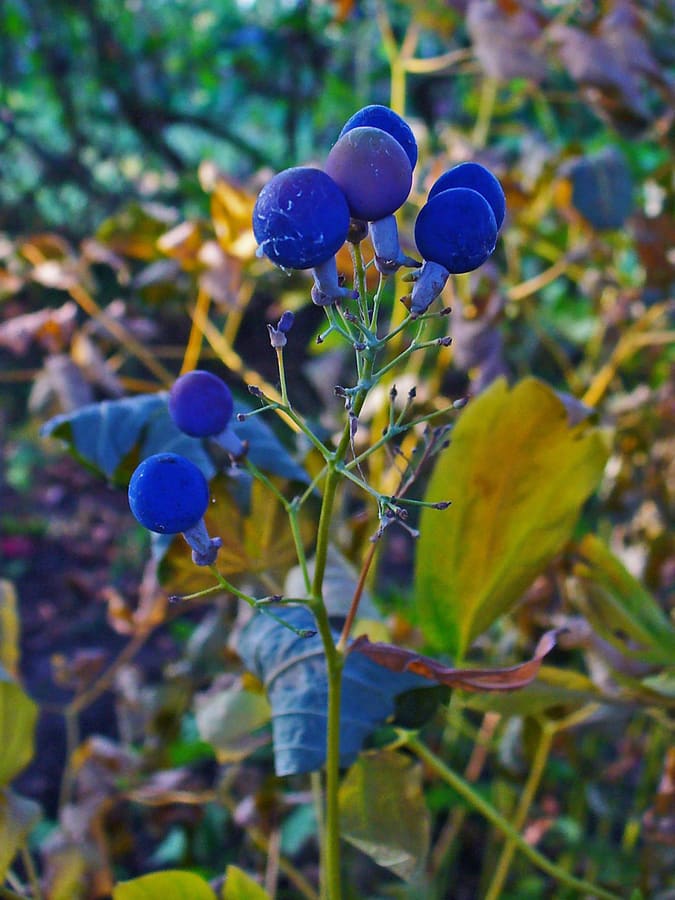 Blue Cohosh (Caulophyllum thalictroides)Not for self-dosing
Blue cohosh is an upright perennial herb reaching 3 feet in height, with large three-lobed leaves, yellow to purple flowers, and striking blue berries. It grows wild in much of eastern North America from Manitoba to Alabama, preferring woodland valleys and damp, north-facing slopes. The name 'cohosh' comes from the Algonquin language, and the plant was a popular remedy among many Native American tribes. Though taken by both sexes for genitourinary issues, it was primarily valued as a women's herb, and that tradition continues in modern herbal practice.
 Caraway (Carum carvi)
Caraway is an aromatic annual herb growing to 2 feet with a ridged stem, feathery leaves, and umbels of white flowers in midsummer. Exploding capsules release two small narrow seeds. It grows wild in Europe, North Africa, and Asia, preferring sunny sites up to 6,600 feet above sea level. Cultivated in Europe, Russia, North Africa, and the United States, the seeds are harvested ripe in late summer. Caraway has been valued since ancient times for its digestive and respiratory benefits, and the seeds are commonly used in cooking.
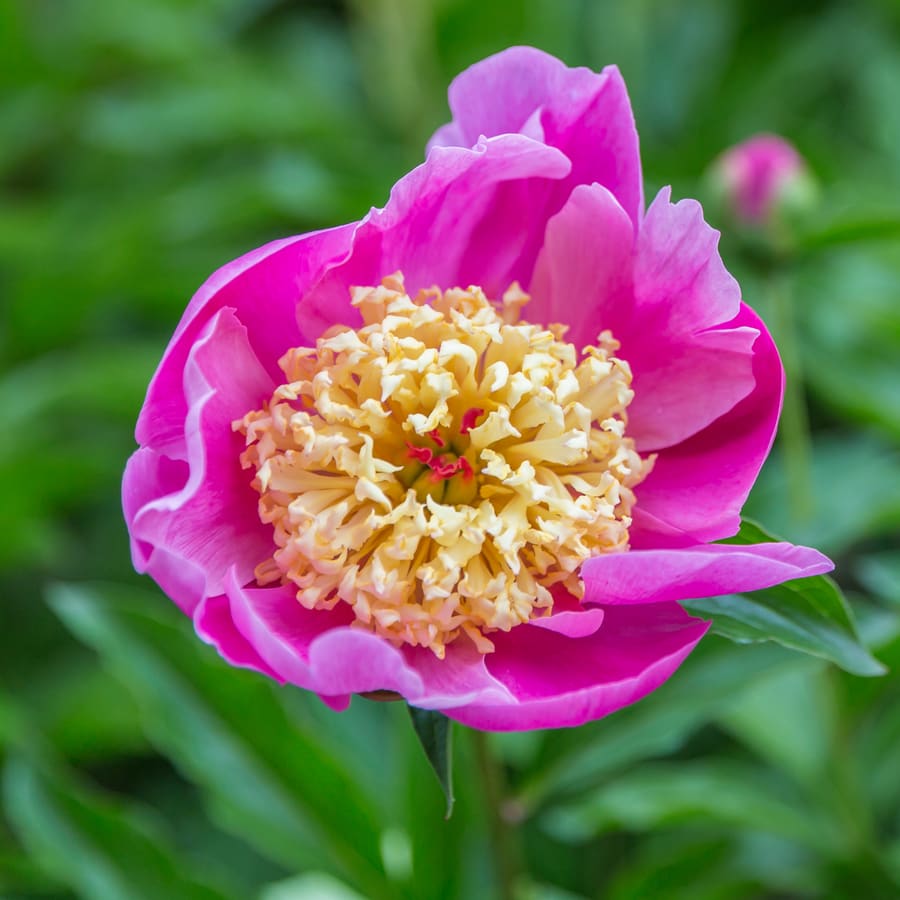 Chinese Peony / White Peony (Paeonia lactiflora)
White peony is an upright perennial growing to 6.5 feet with large white flowers and divided, dark green leaves. Its history of medicinal use in China stretches back at least 1,500 years, most notably as one of the herbs in 'Four Things Soup,' a renowned female tonic. Traditionally, it is believed that women who take the herb regularly become as radiant as the flower itself. The plant is cultivated throughout northeastern China and Inner Mongolia, propagated from seed in spring or from root cuttings in winter. The root of 4- or 5-year-old plants is harvested in spring or autumn and valued as a hormonal tonic.
- Corydalis (Corydalis yanhusuo)
Corydalis is a small herbaceous perennial growing to 8 inches with narrow leaves and pink flowers. Native to Siberia, northern China, and Japan, it is commonly cultivated in eastern and northeastern parts of China. Propagated from seed in early spring or autumn, the rhizome is harvested in late spring and early summer when the aerial parts have withered. This important Chinese remedy has been used at least since the 8th century to help 'invigorate the blood' and relieve almost any painful condition, particularly menstrual cramps and chest and abdominal pain.
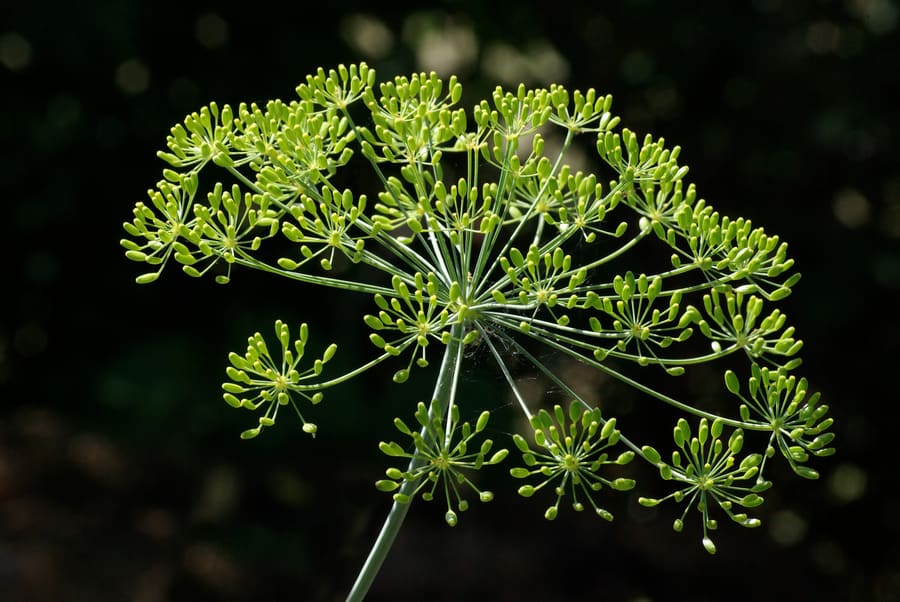 Dill (Anethum graveolens)
Dill is an aromatic annual growing to 30 inches with an erect hollow stem, feathery leaves, and numerous yellow flowers in umbels. Its very lightweight, pungent fruit (seeds) are harvested in late summer. Native to southern Europe and central and southern Asia, dill grows wild in open areas and is widely cultivated - notably in England, Germany, and North America. The leaves are picked as a culinary herb. An ancient Egyptian remedy in the Ebers papyrus (c. 1500 BCE) recommends dill as one of the ingredients in a pain-killing mixture. The ancient Greeks are believed to have covered their eyes with fronds of the herb to induce sleep. Dill was commonly used as a charm against witchcraft in the Middle Ages, when it was burned to clear thunderclouds. Its name comes from the Norse 'dylla,' meaning 'to soothe.'
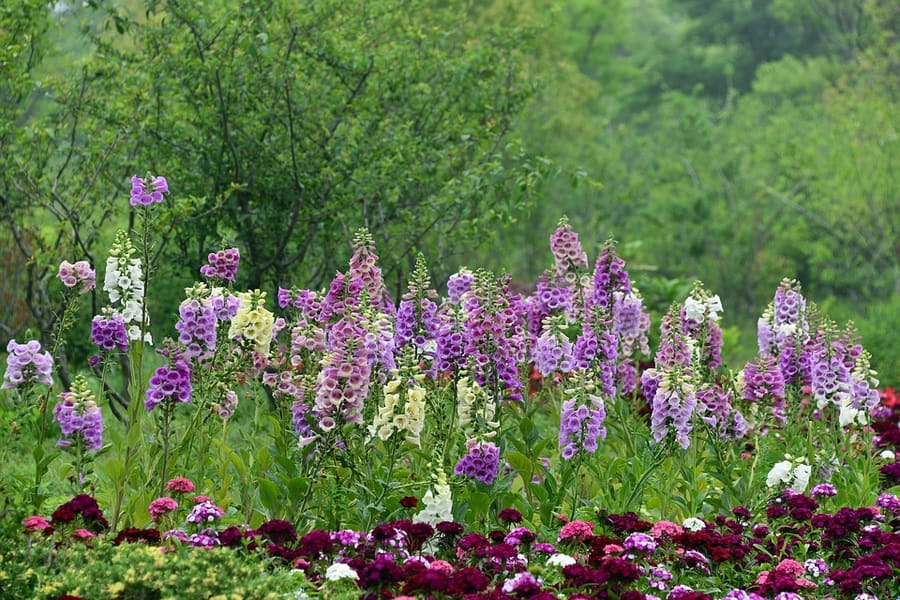 Rehmannia (Rehmannia glutinosa)
Rehmannia (Rehmannia glutinosa) is a perennial growing to about 1-2 ft (30-60 cm), with sticky leaves and purple tubular flowers. One of the most prized herbs in Traditional Chinese Medicine, it’s considered both cooling (raw) and nourishing (prepared), supporting liver, kidneys, blood, and longevity.
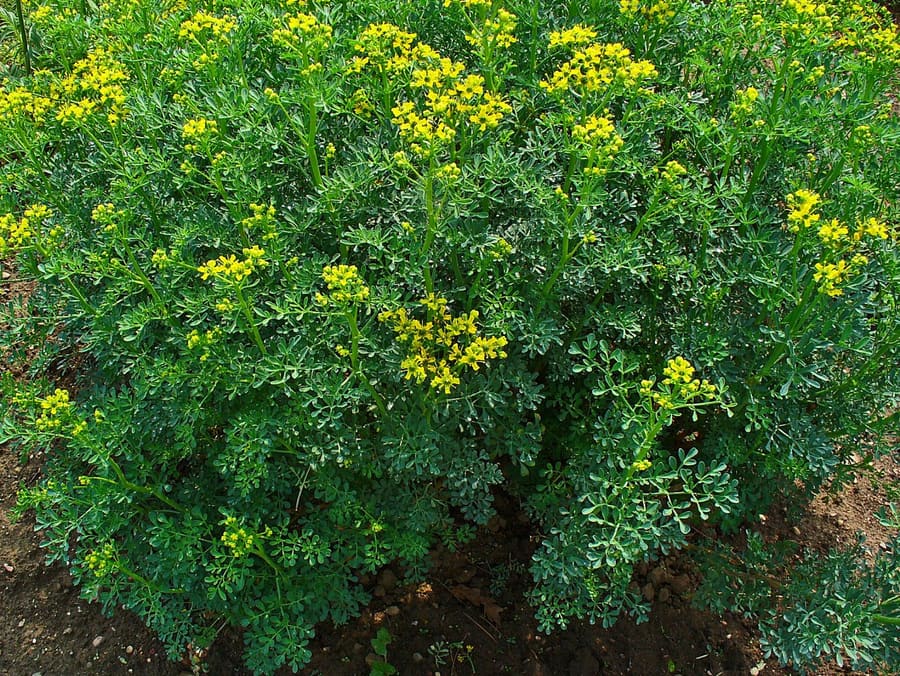 Rue (ruta graveolens)Not for self-dosing
Rue (Ruta graveolens) is a strongly aromatic evergreen perennial reaching about 3 ft (1 m), with fleshy, lobed blue-green leaves and yellow-green, five-petaled flowers. Historically revered for its medicinal and magical properties, rue was employed by the Greeks and Egyptians for menstrual stimulation and eyesight improvement.
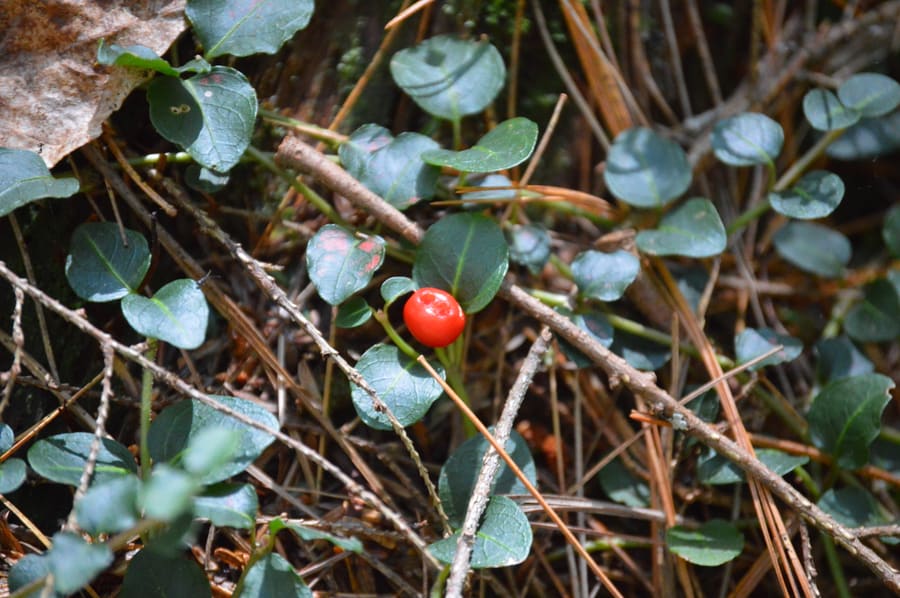 Squaw Vine (Mitchella repens)
Squaw vine is an evergreen herb that grows up to 1 foot tall, forming mats on the ground. It has rounded shiny leaves, fragrant white flowers on flowering stems, and produces small bright red berries. Native American women commonly used this plant as an infusion to hasten childbirth, and it was occasionally employed for other conditions including insomnia, rheumatic pain, and fluid retention. The plant grows in dry woodland sites in the eastern and central United States.