
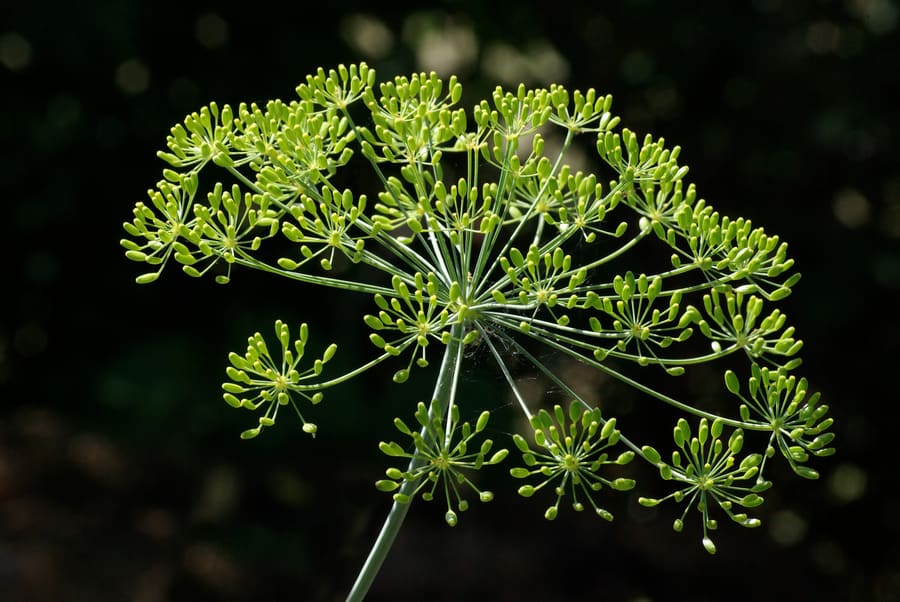
Dill (Anethum graveolens)
Photo: JLPC · CC BY-SA 3.0
- Digestive
- 3 conditions
- Licensed photo
Overview
Dill is an aromatic annual growing to 30 inches with an erect hollow stem, feathery leaves, and numerous yellow flowers in umbels. Its very lightweight, pungent fruit (seeds) are harvested in late summer. Native to southern Europe and central and southern Asia, dill grows wild in open areas and is widely cultivated - notably in England, Germany, and North America. The leaves are picked as a culinary herb. An ancient Egyptian remedy in the Ebers papyrus (c. 1500 BCE) recommends dill as one of the ingredients in a pain-killing mixture. The ancient Greeks are believed to have covered their eyes with fronds of the herb to induce sleep. Dill was commonly used as a charm against witchcraft in the Middle Ages, when it was burned to clear thunderclouds. Its name comes from the Norse 'dylla,' meaning 'to soothe.'
Traditional uses & properties
Dill has always been considered a stomach remedy, relieving gas and calming digestion. Its volatile oil - containing up to 5% alpha-phellandrene, flavonoids, coumarins, xanthones, and triterpenes - relieves intestinal spasms and cramps and helps settle colic, hence its use in gripe water mixtures. Chewing the seeds improves bad breath. Dill makes a useful addition to cough, cold, and flu remedies and is a mild diuretic. Like caraway, it can be combined with antispasmodics such as cramp bark to relieve period pain. Dill increases milk production, and when taken regularly by nursing mothers, it helps prevent colic in their babies.
Safety & precautions
Take the essential oil internally only under professional supervision. Generally safe when used as directed.
Drug & food interactions
Interaction data is not available for this herb - talk to a pharmacist before combining it with any medication. A blank entry here means we have not documented interactions, not that none exist.
Habitat
Native to southern Europe and central and southern Asia. Grows wild in open areas and is widely cultivated, notably in England, Germany, and North America. Leaves are picked as a culinary herb; seeds are harvested in late summer.
Traditionally used for
Each condition shows its first 2 remedies free. Premium opens the full remedy list for every condition - or come back for the free Condition of the Day.
Frequently asked questions
What is Dill (Anethum graveolens) traditionally used for?
Traditional sources describe Dill (Anethum graveolens) as follows: Dill has always been considered a stomach remedy, relieving gas and calming digestion. Its volatile oil - containing up to 5% alpha-phellandrene, flavonoids, coumarins, xanthones, and triterpenes - relieves intestinal spasms and cramps and helps settle colic, hence its use in gripe water mixtures. Chewing the seeds improves bad breath. Dill makes a useful addition to cough, cold, and flu remedies and is a mild diuretic. Like caraway, it can be combined with antispasmodics such as cramp bark to relieve period pain. Dill increases milk production, and when taken regularly by nursing mothers, it helps prevent colic in their babies.
What safety cautions apply to Dill (Anethum graveolens)?
Take the essential oil internally only under professional supervision. Generally safe when used as directed.
Related herbs
 Caraway (Carum carvi)
Caraway is an aromatic annual herb growing to 2 feet with a ridged stem, feathery leaves, and umbels of white flowers in midsummer. Exploding capsules release two small narrow seeds. It grows wild in Europe, North Africa, and Asia, preferring sunny sites up to 6,600 feet above sea level. Cultivated in Europe, Russia, North Africa, and the United States, the seeds are harvested ripe in late summer. Caraway has been valued since ancient times for its digestive and respiratory benefits, and the seeds are commonly used in cooking.
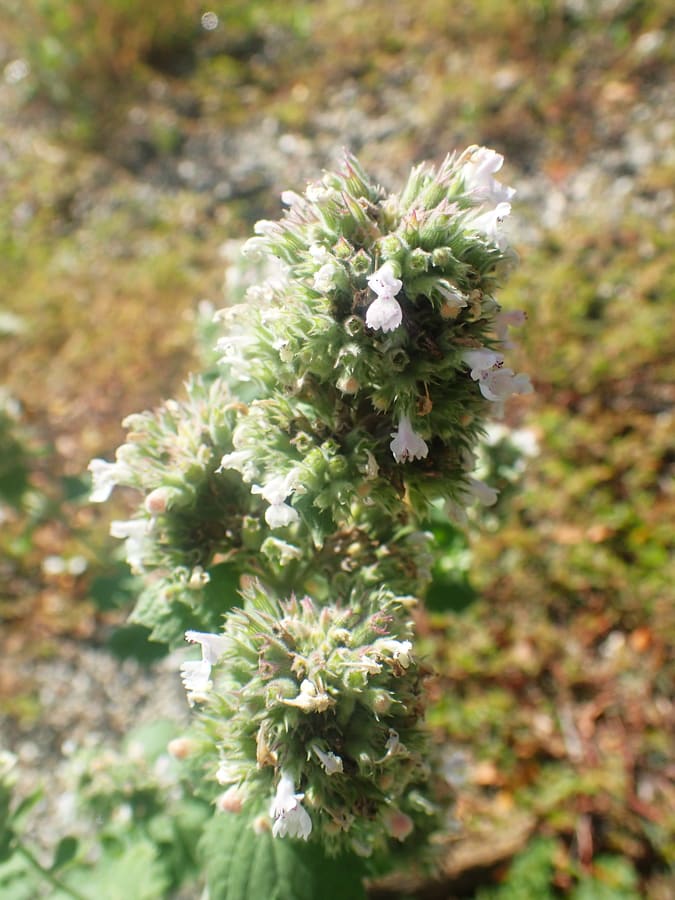 Catnip (Nepeta cataria)
Catnip is a downy, aromatic perennial growing to 3 feet with heart-shaped, gray-green leaves and whorls of white flowers marked with purple spots. Native to Europe and naturalized in North America, it grows in dry wayside places and mountainous regions up to altitudes of 5,000 feet. The plant is gathered when in flower during summer and autumn. Its name comes from the Norse word 'dylla,' meaning 'to soothe,' reflecting its calming properties. Catnip has an excitatory effect on cats but a sedative effect on humans.
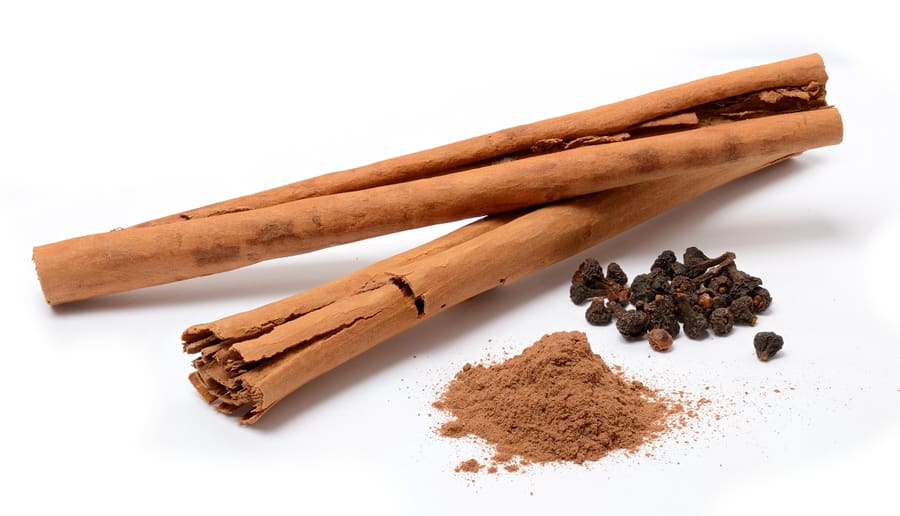 Cinnamon (Cinnamomum verum)
Cinnamon (Cinnamomum verum or C. zeylanicum) is a small evergreen tree, prized for its fragrant, sweet-spicy bark. Used for centuries as a warming stimulant in Ayurveda and traditional Chinese medicine, cinnamon supports digestion, circulation, and blood-sugar balance. Modern research confirms its ability to boost insulin sensitivity and possibly reduce high blood glucose in type 2 diabetes.
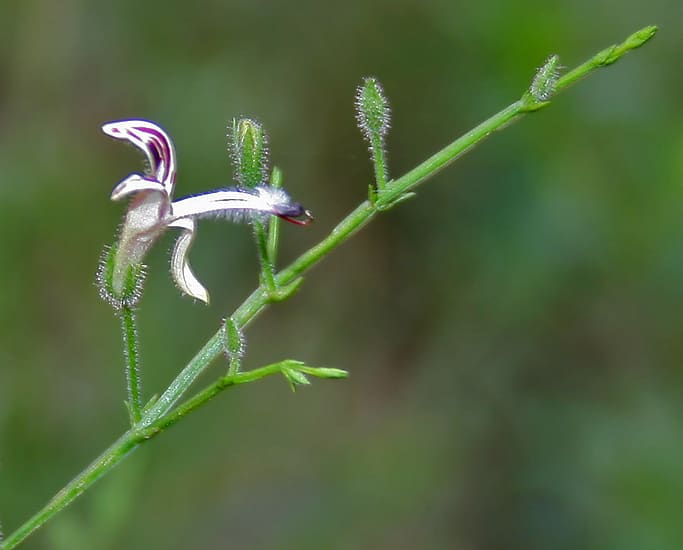 Andrographis (Andrographis paniculata)
Andrographis, commonly known as Green Chiretta or King of Bitters, is an upright annual herb reaching approximately 3 feet in height. Native to India and cultivated throughout northern regions of India and China, this bitter medicinal plant has been valued in Ayurvedic and traditional Chinese medicine for centuries. Historically used primarily for liver support and treating infections - especially malaria - it has earned recognition for its powerful immune-boosting and protective properties. The plant thrives on plains and in forest undergrowth, where its spotted pale brown or purple flowers and long seed capsules distinguish it from other medicinal herbs.
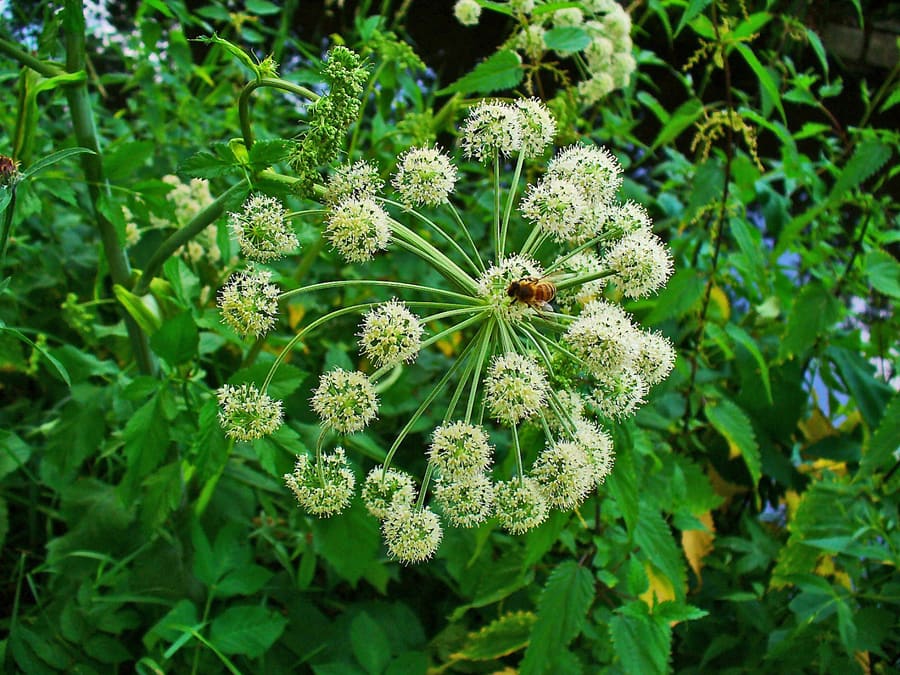 Angelica (angelica archangelica)
Angelica (Angelica archangelica) is a large, aromatic biennial herb growing up to about 6½ ft (2 m), with ridged hollow stems, bright green divided leaves, and greenish-white flowers arranged in umbrella-like clusters (umbels). It has a warm, tonic character and is often compared to dong quai (Chinese angelica) for its usefulness in supporting women’s health and circulation. Traditional sources note its warming action on the stomach, spleen, and intestines.
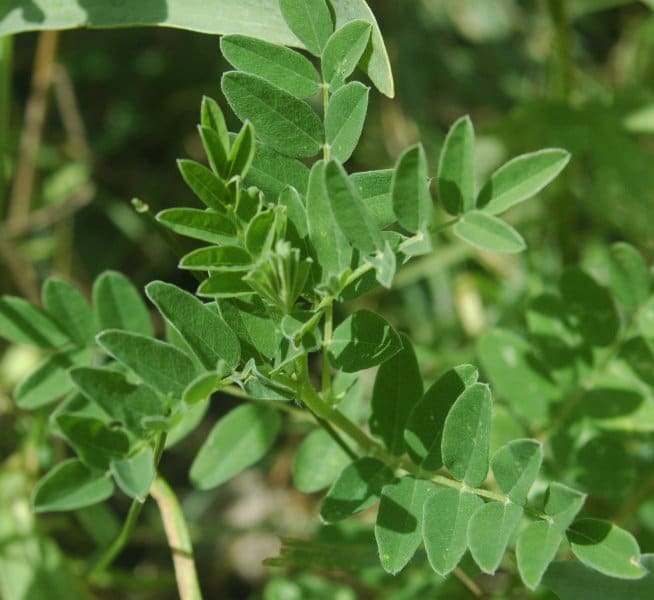 Astragalus (Astragalus membranaceus)
Astragalus (Astragalus membranaceus), known in China as huang qi, is a perennial reaching about 16 in (40 cm), with hairy stems and compound leaves composed of multiple leaflet pairs. In traditional Chinese medicine, it is a sweet, slightly warming herb often used to boost energy, strengthen immunity, and support overall vitality. Modern research suggests it may benefit heart function, kidney health, and immune response.
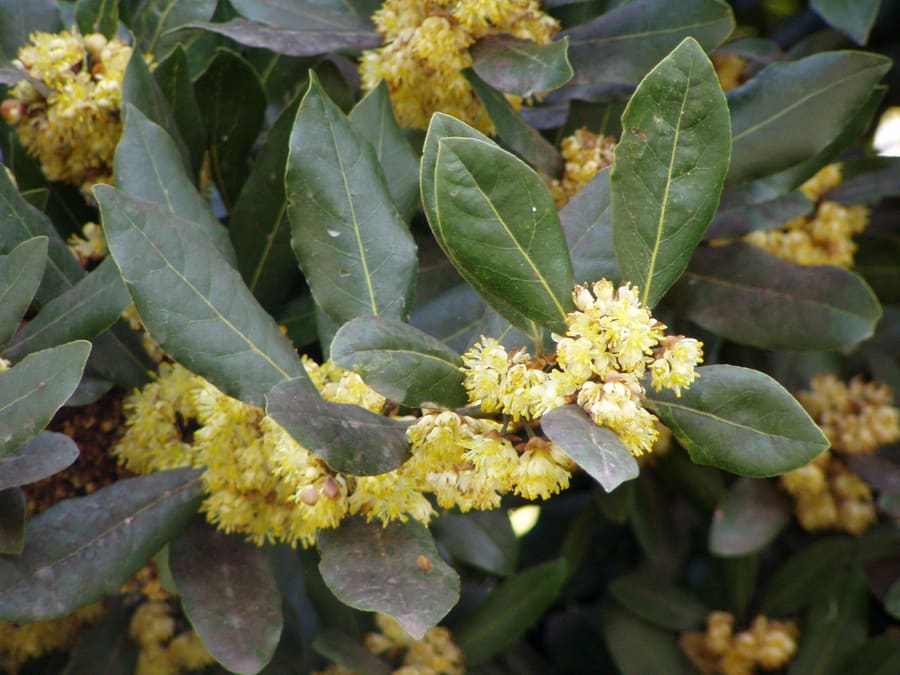 Bay laurel (Laurus nobilis)
Bay laurel (Laurus nobilis) is an aromatic evergreen shrub or small tree that can grow up to about 65 ft (20 m). It features leathery, dark green, lance-shaped leaves, small yellow flowers, and shiny black berries. The plant is well known for its culinary use (“bay leaves”) as well as its medicinal history in ancient Greece and Rome.
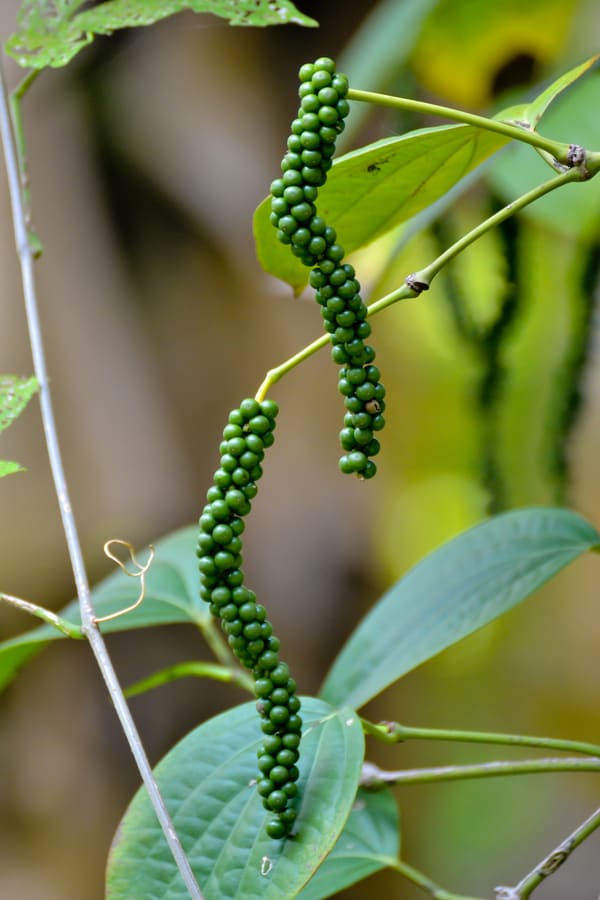 Black Pepper (Piper nigrum)
Black pepper is a perennial woody climbing vine growing to about 16 feet, with large oval leaves, spikes of small white flowers, and clusters of small round fruits that ripen from green to red. Native to southwestern India and now cultivated in tropical areas worldwide, the fruit is harvested from plants that are at least three years old. Different processing methods yield green, black, red, and white peppercorns, each with distinct flavors and uses. Cultivated as both a spice and medicine since ancient times, pepper was such a prized commodity in world trade that Attila the Hun reportedly demanded 3,000 pounds of it as ransom during his siege of Rome in 408 CE.