
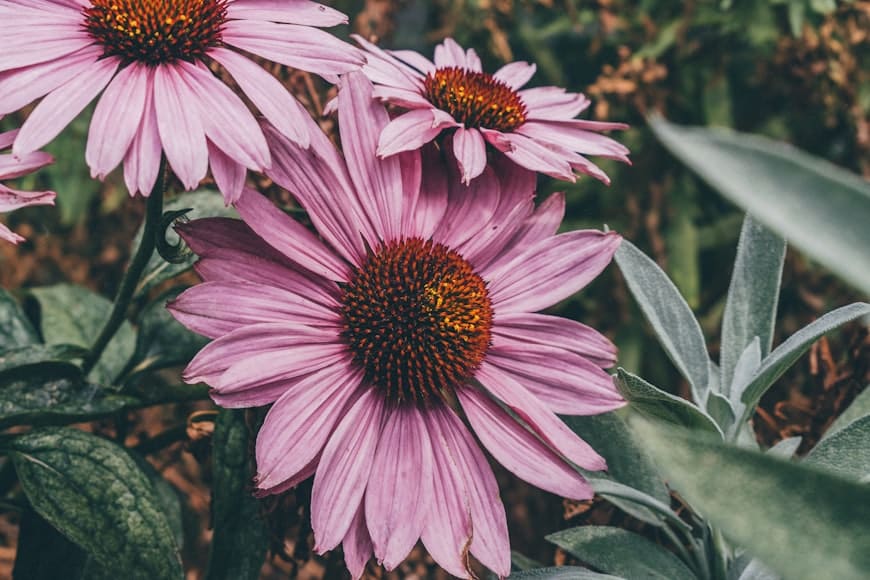
Echinacea (Echinacea spp.)
Photo: Unsplash
- Respiratory
- 1 condition
- Licensed photo
Overview
Echinacea (especially E. angustifolia and E. purpurea) is a tall, upright perennial prized for its immune-boosting properties. Known historically as “Indian Snakeroot,” it was valued by 19th-century Americans for treating snake bites. Its benefits are largely credited to compounds that enhance antibody formation, stimulate white blood cell production, and inhibit hyaluronidase (an enzyme facilitating the spread of infection). Echinacea also supports lymphatic function and can help counter viral infections. While often used for colds and flu, it may be overused for these conditions when other herbs might be equally effective.
Traditional uses & properties
Immune Stimulant & Alterative: Boosts white blood cell activity and helps clear infections and toxins. Antiseptic & Antiviral: Can help fight bacterial, fungal, and viral pathogens. Antivenomous & Lymphatic: Historically used for bites and stings, supporting lymph flow. Cooling & Drying: Traditionally viewed as helping to reduce heat and dampness in the body.
Traditional preparations
Traditional texts describe the preparations below, and where those texts give specific amounts, the amounts are quoted here as part of that record. This is a record of historical practice, not a dosage recommendation - the figures are what the sources say, not what HerbMate tells you to take. Amounts, potency, and safe use vary enormously by preparation, plant part, and person.
Tincture of root. For chronic infections, take 1 ⁄2 tsp in water 3 times a day. Alternatively, make a decoction with 5 g of root to 3 cups (750 ml) of water and then drink up to 2 cups (300-500 ml) a day.
Safety & precautions
Nontoxic & Generally Safe: May cause rare allergic reactions or tingling in the throat. Autoimmune Disorders: Use with caution; strong immune stimulation might exacerbate certain autoimmune conditions. High-Quality Extracts: Often produce a scratchy sensation in the mouth or excess salivation, indicating potency.
Drug & food interactions
Theoretically, echinacea may antagonise the effects of immunosuppressants. The use of echinacea has been studied with a number of drugs that are used as probe substrates for cytochrome P450 activity or P-glycoprotein. With the possible exceptions of midazolam and caffeine, no clinically relevant interactions have been identified. Echinacea seems to present a low risk for interactions occurring as a result of these mechanisms.
- Herbal medicines
- No interactions found.
- Immunosuppressants
- The interaction between echinacea and immunosuppressants is based on a prediction only.
- Tolbutamide
- Echinacea does not appear to have a clinically relevant effect on the pharmacokinetics of tolbutamide. In a pharmacokinetic study, 12 healthy subjects were given Echinacea purpurea root 400 mg four times daily for 8 days with a single 500-mg dose of tolbutamide on day 6. The AUC of tolbutamide was increased by 14%, and the time to maximum levels was increased from 4 to 6 hours. The oral clearance was decreased by a mean of 11%, although 2 subjects had a 25% or greater reduction.
- Midazolam
- Echinacea does not appear to alter the AUC and clearance of oral midazolam, although the bioavailability may be increased. Clearance of intravenous midazolam may be modestly increased in patients taking echinacea. In a pharmacokinetic study, 12 healthy subjects were given Echinacea purpurea root (Nature’s Bounty, USA) 400 mg four times daily for 28 days, with a single 50-microgram/kg intravenous dose of midazolam on day 6 and, 24 hours later, a single 5-mg oral dose of midazolam. The clearance of intravenous midazolam was increased by 42%, and its AUC was reduced by 23%. In contrast, the clearance and AUC of oral midazolam were not significantly altered; however, the oral bioavailability of midazolam was increased by 50% but the oral bioavailability was still relatively low. In another study in 12 healthy subjects given Echinacea purpurea 800 mg twice daily for 28 days with a single 8-mg oral dose of midazolam, there was no difference in the ratio of midazolam to its 1-hydroxy metabolite.
- Caffeine
- Echinacea appears to have a variable effect on the pharmacokinetics of caffeine. In most patients, echinacea is unlikely to raise caffeine levels. In a pharmacokinetic study, 12 healthy subjects were given an 8-day course of Echinacea purpurea root 400 mg four times daily, with a single 200-mg oral dose of caffeine on day 6. The maximum serum concentration and AUC of caffeine were increased by about 30%. There was a large variation between subjects, with some having a 50% increase in caffeine clearance, and some a 90% decrease. However, the paraxanthine-to-caffeine ratio (a measure of CYP1A2 activity) was reduced by just 10%. In another study in 12 healthy subjects given Echinacea purpurea 800 mg twice daily for 28 days, the paraxanthine-to-caffeine ratio was not significantly affected when a single 100-mg dose of caffeine was given at the end of the treatment with Echinacea purpurea.
- Digoxin
- Echinacea does not appear to have a clinically relevant effect on the pharmacokinetics of digoxin. In a study, 18 healthy subjects were given an extract containing Echinacea purpurea 195 mg and Echinacea angustifolia 72 mg three times daily for 14 days with a single 250-microgram dose of digoxin before and after the course of echinacea. No significant effects on the pharmacokinetics of digoxin were reported for echinacea, suggesting that echinacea does not have any significant effects on P-glycoprotein. No adverse effects were reported when digoxin was given with echinacea.
- Dextromethorphan
- Echinacea does not appear to have a clinicall In a study, 12 healthy subjects were given Echinacea purpurea root 400 mg four times daily for 8 days with a single 30-mg dose of dextromethorphan on day 6. In the 11 subjects who were of the cytochrome P450 isoenzyme CYP2D6 extensive metaboliser phenotype there were no changes in the pharmacokinetics of dextromethorphan. In contrast, the one subject who was a poor metaboliser had a 42% increase in the AUC of dextromethorphan and a 31% increase in its half-life. In another study, in 12 healthy subjects given Echinacea purpurea 800 mg twice daily for 28 days, there was no change in the debrisoquine urinary ratio after a single 5-mg dose of debrisoquine.
- Food
- No interactions found.
These entries keep the wording of the reference they come from, and three phrases mean three different things. "No interactions found" means the source looked for reports of that pairing and found none. "No data found" means nothing has been published either way. "Based on experimental evidence only" means the effect has been seen in a laboratory or animal study but not in people - a reason for caution, not a report of harm.
Habitat
Native to the central U.S., echinacea now appears in many regions as a cultivated herb. E. purpurea is grown widely in the U.S. and Europe, typically from seed in spring or by root division in winter, favoring rich, sandy soil. Leaves and flowers are harvested during bloom; roots from 4-year-old plants are dug in autumn. Because wild populations are threatened, only use sustainably cultivated or commercially grown echinacea.
Traditionally used for
Each condition shows its first 2 remedies free. Premium opens the full remedy list for every condition - or come back for the free Condition of the Day.
Frequently asked questions
What is Echinacea (Echinacea spp.) traditionally used for?
Traditional sources describe Echinacea (Echinacea spp.) as follows: Immune Stimulant & Alterative: Boosts white blood cell activity and helps clear infections and toxins. Antiseptic & Antiviral: Can help fight bacterial, fungal, and viral pathogens. Antivenomous & Lymphatic: Historically used for bites and stings, supporting lymph flow. Cooling & Drying: Traditionally viewed as helping to reduce heat and dampness in the body.
How is Echinacea (Echinacea spp.) prepared?
Traditional texts describe the preparations below, and where those texts give specific amounts, the amounts are quoted here as part of that record. This is a record of historical practice, not a dosage recommendation - the figures are what the sources say, not what HerbMate tells you to take. Amounts, potency, and safe use vary enormously by preparation, plant part, and person. Cold and Flu, Tonsillitis: Tincture of root. For chronic infections, take 1 ⁄2 tsp in water 3 times a day. Alternatively, make a decoction with 5 g of root to 3 cups (750 ml) of water and then drink up to 2 cups (300-500 ml) a day.
What safety cautions apply to Echinacea (Echinacea spp.)?
Nontoxic & Generally Safe: May cause rare allergic reactions or tingling in the throat. Autoimmune Disorders: Use with caution; strong immune stimulation might exacerbate certain autoimmune conditions. High-Quality Extracts: Often produce a scratchy sensation in the mouth or excess salivation, indicating potency.
Related herbs
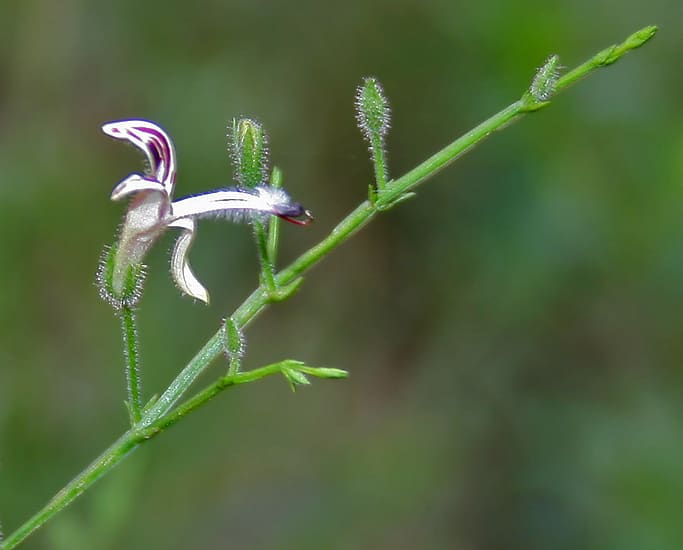 Andrographis (Andrographis paniculata)
Andrographis, commonly known as Green Chiretta or King of Bitters, is an upright annual herb reaching approximately 3 feet in height. Native to India and cultivated throughout northern regions of India and China, this bitter medicinal plant has been valued in Ayurvedic and traditional Chinese medicine for centuries. Historically used primarily for liver support and treating infections - especially malaria - it has earned recognition for its powerful immune-boosting and protective properties. The plant thrives on plains and in forest undergrowth, where its spotted pale brown or purple flowers and long seed capsules distinguish it from other medicinal herbs.
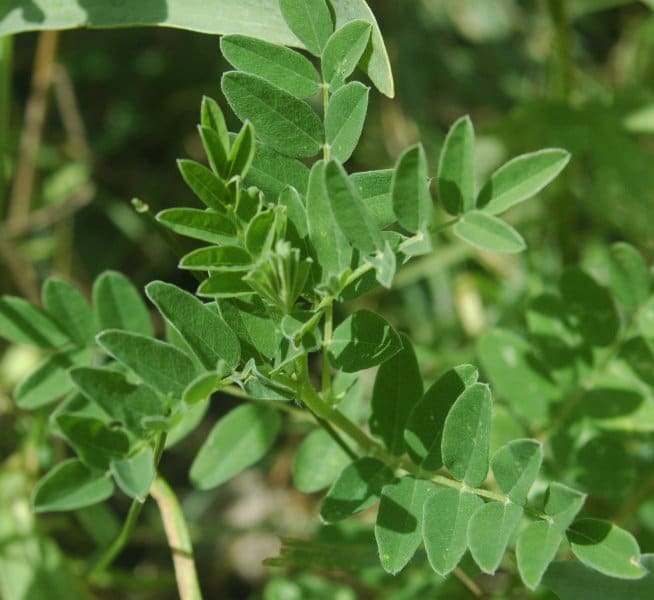 Astragalus (Astragalus membranaceus)
Astragalus (Astragalus membranaceus), known in China as huang qi, is a perennial reaching about 16 in (40 cm), with hairy stems and compound leaves composed of multiple leaflet pairs. In traditional Chinese medicine, it is a sweet, slightly warming herb often used to boost energy, strengthen immunity, and support overall vitality. Modern research suggests it may benefit heart function, kidney health, and immune response.
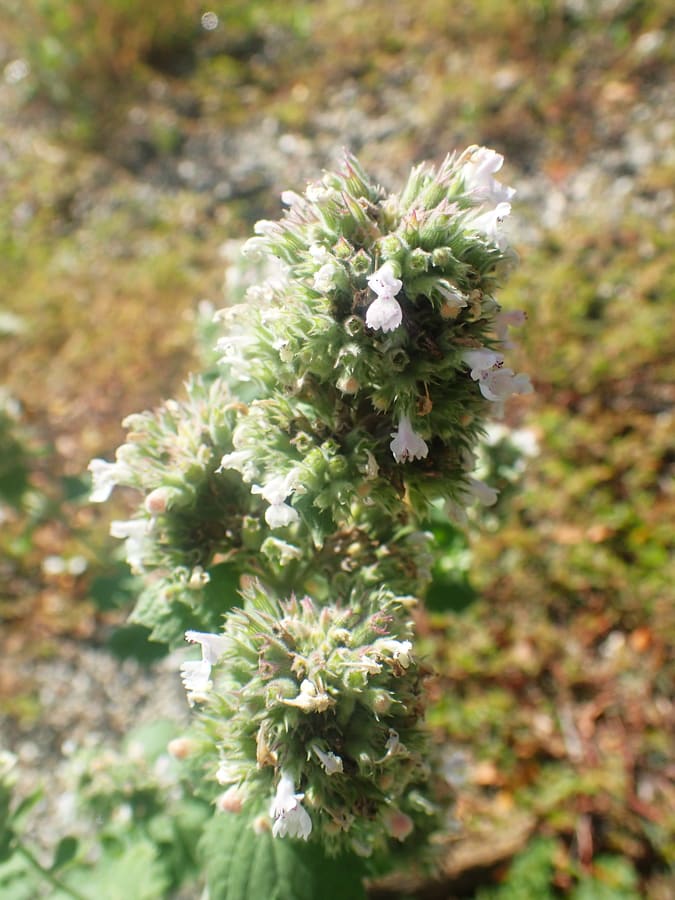 Catnip (Nepeta cataria)
Catnip is a downy, aromatic perennial growing to 3 feet with heart-shaped, gray-green leaves and whorls of white flowers marked with purple spots. Native to Europe and naturalized in North America, it grows in dry wayside places and mountainous regions up to altitudes of 5,000 feet. The plant is gathered when in flower during summer and autumn. Its name comes from the Norse word 'dylla,' meaning 'to soothe,' reflecting its calming properties. Catnip has an excitatory effect on cats but a sedative effect on humans.
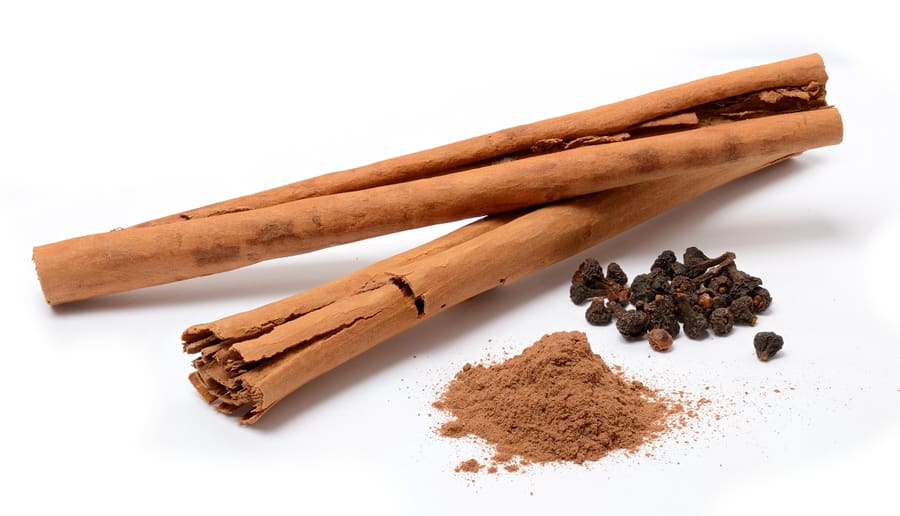 Cinnamon (Cinnamomum verum)
Cinnamon (Cinnamomum verum or C. zeylanicum) is a small evergreen tree, prized for its fragrant, sweet-spicy bark. Used for centuries as a warming stimulant in Ayurveda and traditional Chinese medicine, cinnamon supports digestion, circulation, and blood-sugar balance. Modern research confirms its ability to boost insulin sensitivity and possibly reduce high blood glucose in type 2 diabetes.
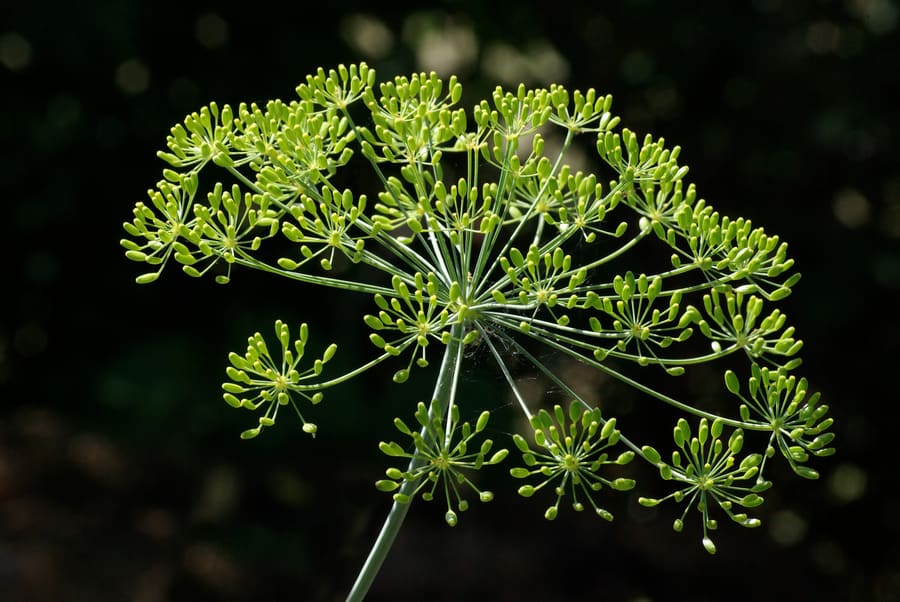 Dill (Anethum graveolens)
Dill is an aromatic annual growing to 30 inches with an erect hollow stem, feathery leaves, and numerous yellow flowers in umbels. Its very lightweight, pungent fruit (seeds) are harvested in late summer. Native to southern Europe and central and southern Asia, dill grows wild in open areas and is widely cultivated - notably in England, Germany, and North America. The leaves are picked as a culinary herb. An ancient Egyptian remedy in the Ebers papyrus (c. 1500 BCE) recommends dill as one of the ingredients in a pain-killing mixture. The ancient Greeks are believed to have covered their eyes with fronds of the herb to induce sleep. Dill was commonly used as a charm against witchcraft in the Middle Ages, when it was burned to clear thunderclouds. Its name comes from the Norse 'dylla,' meaning 'to soothe.'
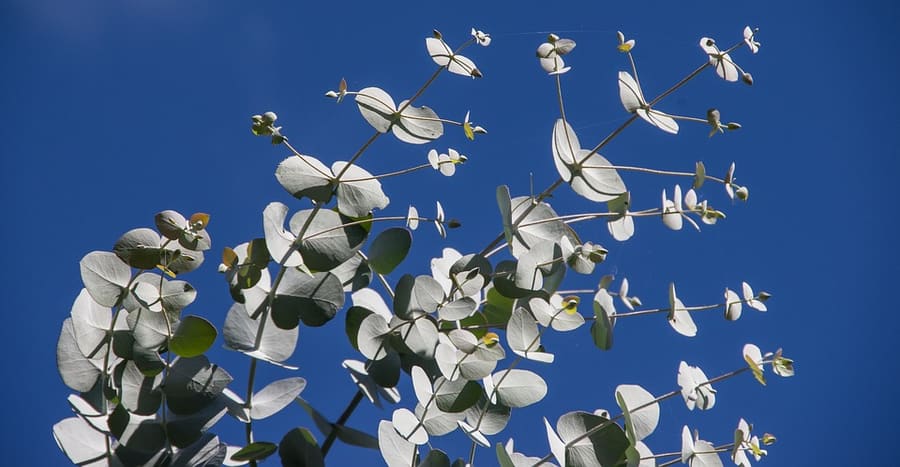 Eucalyptus (Eucalyptus globulus)
Eucalyptus, a traditional Aboriginal remedy, is a powerful antiseptic used all over the world for relieving coughs and colds, sore throats, and other infections. It is warming and stimulating, and for many people its scent conjures up days spent in bed during childhood with eucalyptus and other oils smothered on the chest. Eucalpytus is a common ingredient in many over-the-counter cold remedies.
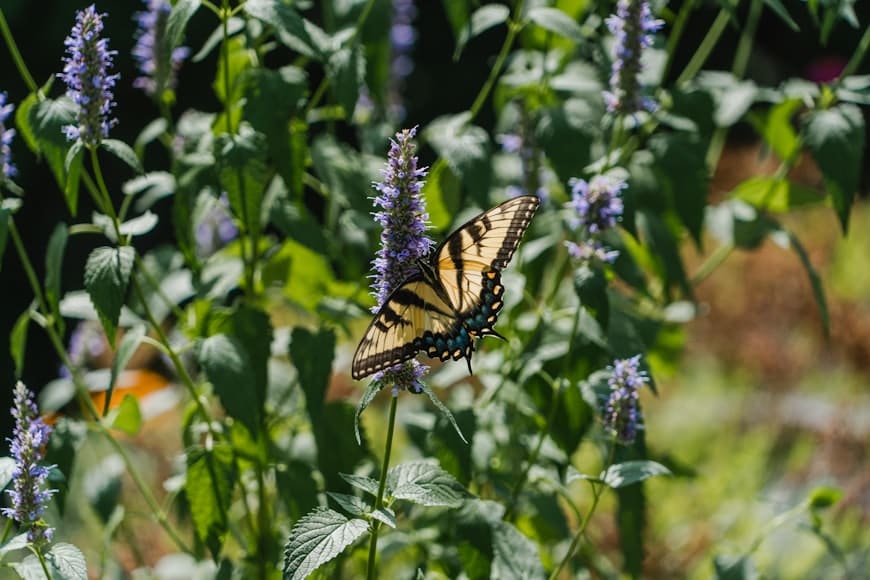 Hyssop (Hyssopus officinalis)
Hyssop (Hyssopus officinalis) is a semi-evergreen shrub growing up to about 2 ft (60 cm), with narrow leaves and clusters of bright blue, two-lipped flowers. Known since ancient times as a “cure-all” for respiratory ailments, it clears congested phlegm and supports recovery from infections. Hyssop also has antiseptic qualities beneficial for cuts, abrasions, and insect bites.
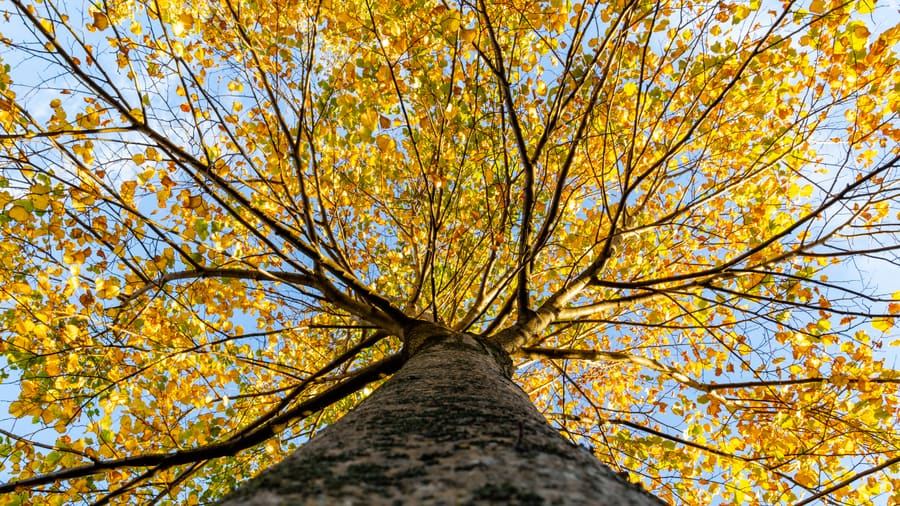 Linden (Tilia europaea)
Linden comprises deciduous trees growing to a height of 100 feet with smooth gray bark, heart-shaped leaves, and clusters of pale yellow flowers with winglike bracts. Native to Europe, it is found in the wild but is also much planted in gardens and along roads. The flowers are collected in summer. Greek myth recounts how the nymph Philyra, devastated after being raped by the god Cronus in the guise of a horse and giving birth to the centaur Chiron, begged the gods not to leave her amongst mortals. The gods granted her wish by transforming her into a linden tree, forever linking this graceful species with transformation and divine mercy.