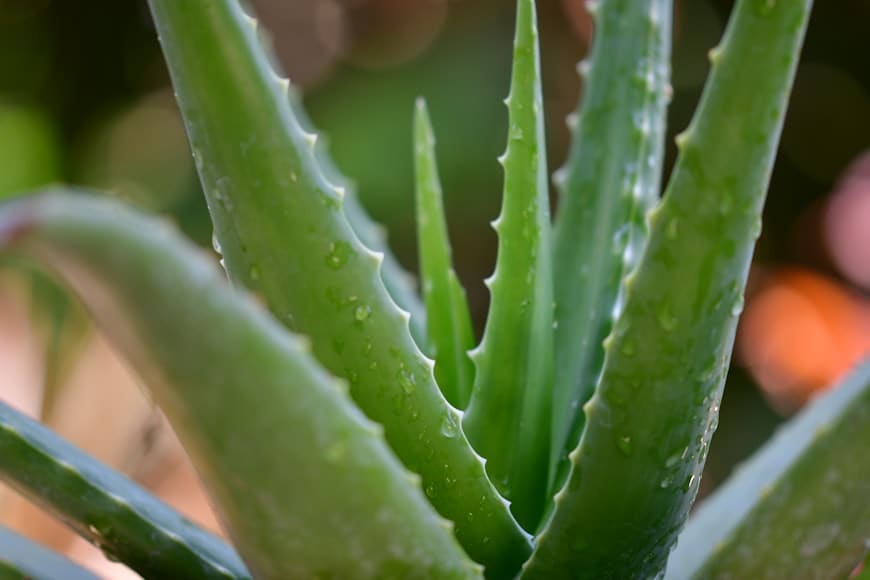
Aloe (Aloe vera)
Photo: Unsplash
- Digestive
- 5 conditions
- Licensed photo
Overview
Aloe vera (syn. A. barbadensis) is a succulent commonly grown as a potted plant, notable for its thick, fleshy leaves that contain two distinct medicinal components. The inner clear gel is renowned for its soothing and wound-healing properties, while the bitter yellow sap from the leaf base (often called “bitter aloes”) has a strong laxative effect. Historically, aloe vera has been prized for treating skin irritations, burns, and ulcers. It can also be taken internally (as juice) to support digestion and immune function. Whole leaf aloe juice has been used to help fight arthritis, AIDS, cancer, and other chronic conditions, though the outer leaf portion containing anthraquinones is typically filtered out to avoid harsh laxative effects.
Traditional uses & properties
Heals & Soothes: The inner gel is cooling and moistening, relieving burns, sunburns, and various skin irritations. It speeds wound healing and may reduce infection risk. Digestive Aid: Taken internally (with the laxative portion removed), aloe can soothe the digestive tract, help with peptic ulcers, and support bowel health. Laxative & Purgative: The yellow sap (bitter aloes) contains anthraquinones that stimulate bowel movements in 8-12 hours, useful for short-term constipation when used correctly. Anti-inflammatory & Antiseptic: Contains compounds that help reduce inflammation, ease pain, and provide a protective coat on irritated tissues. Immunomodulatory: Certain constituents (like aloectin B) have shown an immune-stimulating effect, which has led to research on aloe’s benefits for chronic conditions.
Traditional preparations
Traditional texts describe the preparations below, and where those texts give specific amounts, the amounts are quoted here as part of that record. This is a record of historical practice, not a dosage recommendation - the figures are what the sources say, not what HerbMate tells you to take. Amounts, potency, and safe use vary enormously by preparation, plant part, and person.
Tincture made from bitter aloes. Take 3 drops with water before meals.
Break off a leaf and split open to collect the gel. For burns and eczema, apply liberally twice a day.
Safety & precautions
The outer leaf sap contains anthraquinone glycosides (like aloin) that act as a strong stimulant laxative, suitable only for short-term use under supervision. Some herbalists caution that children, pregnant women, and the elderly avoid drinking aloe juice that contains any of the strong cathartic compounds. Do not use the bitter outer leaf extract during pregnancy or while breastfeeding. Avoid internal use if suffering from kidney disease or hemorrhoids. Freshly extracted gel from the inner leaf is considered gentle, but concentrated or unfiltered products (containing the outer rind) can be irritating.
Drug & food interactions
Aloe vera may have blood-glucose-lowering properties and may therefore be expected to interact with conventional drugs that have the same effect. Aloe vera appears to enhance the absorption of some vitamins but the clinical significance of this is not clear.
- Antidiabetics
- Aloe vera juice reduces blood-glucose levels in patients with diabetes taking glibenclamide. In placebo-controlled clinical studies, aloe vera juice (80%), one tablespoonful twice daily for 42 days, reduced blood-glucose in patients with diabetes, either taking glibenclamide, or not taking oral antidiabetic drugs, from an average of 14 to 16 mmol/L down to 8 mmol/L over a period of 6 weeks. However, it should be noted that, in the study in patients taking glibenclamide, there was, unexpectedly, no response to the use of glibenclamide alone. In these studies, the aloe vera juice (80%) was prepared from aloe gel and additional flavours and preservatives.
- Food
- No interactions found.
- Sevoflurane
- An isolated case report tentatively attributed increased surgical bleeding to the concurrent use of aloe vera and sevoflurane. A 35-year-old woman, who had taken four aloe vera tablets (exact constituents and dose unknown) daily for 2 weeks before undergoing a procedure to excise a haemangioma from her left thigh, lost more than double the amount of blood estimated before surgery. General anaesthesia was induced with propofol 110 mg, fentanyl 100 micrograms and rocuronium 35 mg, followed by tracheal intubation. Sevoflurane 0.5% to 1.3% was used to maintain anaesthesia with nitrous oxide in oxygen, which was supplemented by rocuronium 70 mg and morphine 10.5 mg. The authors suggest that a possible interaction between sevoflurane and aloe vera contributed to the excessive bleeding seen.
- Vitamins
- Aloe vera might delay, and enhance, the absorption of vitamin C and vitamin E. (a) Vitamin C In a single-dose, randomised study in 8 healthy subjects, aloe vera gel extract 60mL appeared to enhance the absorption of vitamin C 500 mg. The AUC of ascorbate was increased by about threefold. However, this difference was not statistically significant: it was attributed to the large interindividual differences. There was a second maximum plasma ascorbate level at 8 hours with the gel, and plasma ascorbate was still detectable at 24 hours, suggesting that aloe vera gel might delay, as well as enhance, absorption. Conversely, aloe vera whole leaf extract 60mL had no significant effect on the absorption of vitamin C.1 (b) Vitamin E In a single-dose, randomised study in 10 healthy subjects, aloe vera gel extract 60mL increased the AUC of vitamin E 420 mg by 3.7-fold. Aloe vera whole leaf extract 60mL increased the AUC by about twofold. However, the only statistically significant difference was the increase in plasma tocopherol at 8 hours, which occurred with both aloe vera extracts. The time to maximum level was delayed from 4 hours to 8 hours for the gel and to 6 hours for the leaf extract, suggesting that aloe vera might delay, as well as enhance, absorption.
- Medicine
- No interactions found.
These entries keep the wording of the reference they come from, and three phrases mean three different things. "No interactions found" means the source looked for reports of that pairing and found none. "No data found" means nothing has been published either way. "Based on experimental evidence only" means the effect has been seen in a laboratory or animal study but not in people - a reason for caution, not a report of harm.
Habitat
Native to eastern and southern Africa, aloe vera now grows wild in tropical regions worldwide and is extensively cultivated. It thrives in warm, arid climates but also adapts well to indoor pots. The leaves are harvested by cutting and draining them for gel or bitter sap. Commercially, the gel is processed into juices, gels, and topical preparations.
Traditionally used for
- Constipation13 herbs · 2 free
- Acne8 herbs · 2 free
- Dandruff3 herbs · 2 free
- Stretch Marks2 herbs
- Sunburn4 herbs · 2 free
Each condition shows its first 2 remedies free. Premium opens the full remedy list for every condition - or come back for the free Condition of the Day.
Frequently asked questions
What is Aloe (Aloe vera) traditionally used for?
Traditional sources describe Aloe (Aloe vera) as follows: Heals & Soothes: The inner gel is cooling and moistening, relieving burns, sunburns, and various skin irritations. It speeds wound healing and may reduce infection risk. Digestive Aid: Taken internally (with the laxative portion removed), aloe can soothe the digestive tract, help with peptic ulcers, and support bowel health. Laxative & Purgative: The yellow sap (bitter aloes) contains anthraquinones that stimulate bowel movements in 8-12 hours, useful for short-term constipation when used correctly. Anti-inflammatory & Antiseptic: Contains compounds that help reduce inflammation, ease pain, and provide a protective coat on irritated tissues. Immunomodulatory: Certain constituents (like aloectin B) have shown an immune-stimulating effect, which has led to research on aloe’s benefits for chronic conditions.
How is Aloe (Aloe vera) prepared?
Traditional texts describe the preparations below, and where those texts give specific amounts, the amounts are quoted here as part of that record. This is a record of historical practice, not a dosage recommendation - the figures are what the sources say, not what HerbMate tells you to take. Amounts, potency, and safe use vary enormously by preparation, plant part, and person. Constipation: Tincture made from bitter aloes. Take 3 drops with water before meals. Eczema, Sunburn: Break off a leaf and split open to collect the gel. For burns and eczema, apply liberally twice a day.
What safety cautions apply to Aloe (Aloe vera)?
The outer leaf sap contains anthraquinone glycosides (like aloin) that act as a strong stimulant laxative, suitable only for short-term use under supervision. Some herbalists caution that children, pregnant women, and the elderly avoid drinking aloe juice that contains any of the strong cathartic compounds. Do not use the bitter outer leaf extract during pregnancy or while breastfeeding. Avoid internal use if suffering from kidney disease or hemorrhoids. Freshly extracted gel from the inner leaf is considered gentle, but concentrated or unfiltered products (containing the outer rind) can be irritating.
Related herbs
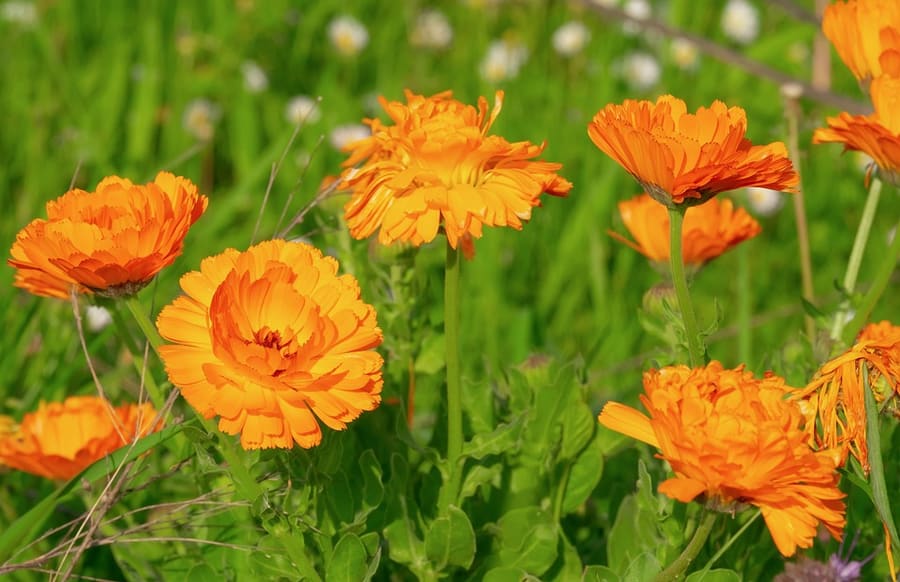 Calendula (Calendula officinalis)
Calendula (Calendula officinalis), with its bright orange daisy-like flowers, is among the most versatile herbs in Western herbal medicine. Its petals contain antiseptic, anti-inflammatory, and vulnerary properties, making it excellent for speeding tissue repair in wounds, burns, bruises, and various skin irritations. Calendula is also used internally for gastrointestinal inflammation (e.g., Crohn’s disease, colitis, gastritis).
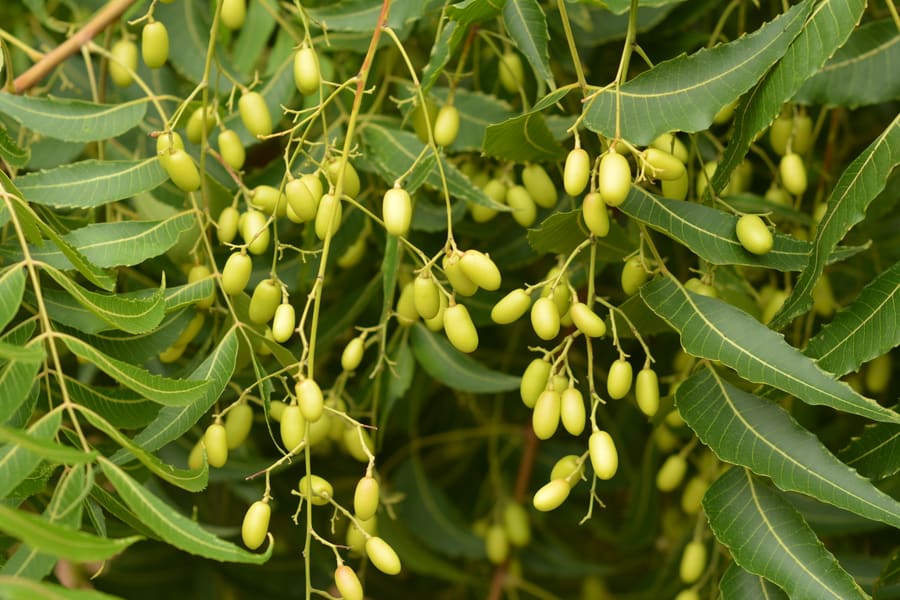 Neem (Azadirachta indica)
Neem (Azadirachta indica) is a large evergreen tree with compound leaves and white flowers, considered in India as a “village pharmacy” for its broad-spectrum antimicrobial, antifungal, and anti-inflammatory effects. Both leaves and seeds are used to treat infections, skin conditions, and other ailments.
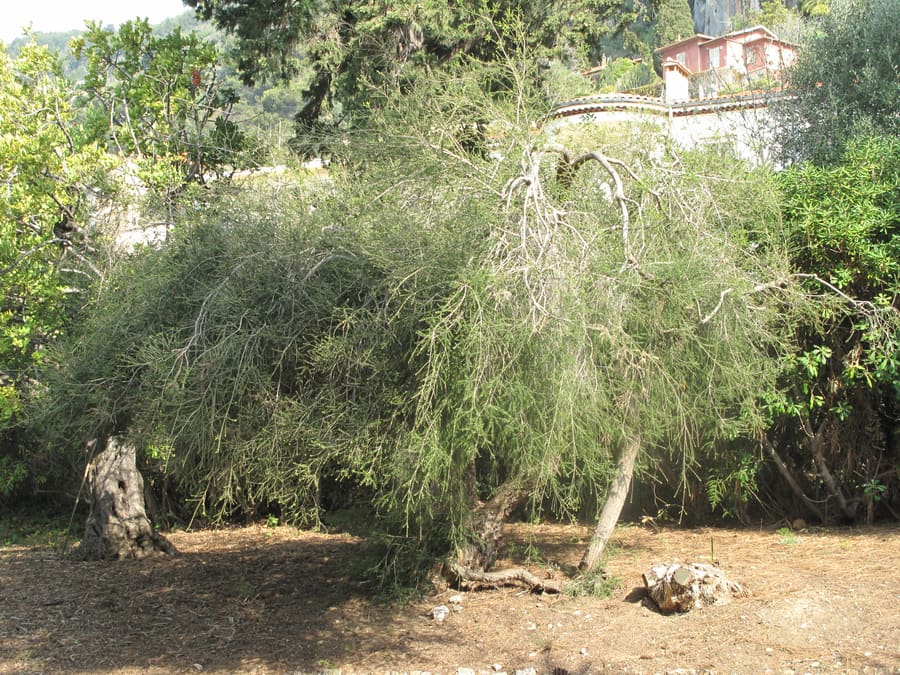 Tea Tree (Melaleuca alternifolia)Not for self-dosing
Tea tree (Melaleuca alternifolia) is a small evergreen native to Australia, with papery bark, narrow leaves, and white to cream flower spikes. Its leaves produce a pungent, antiseptic essential oil that’s central to Australian bush medicine, used widely in Western herbalism since the 1920s for skin infections and general disinfection.
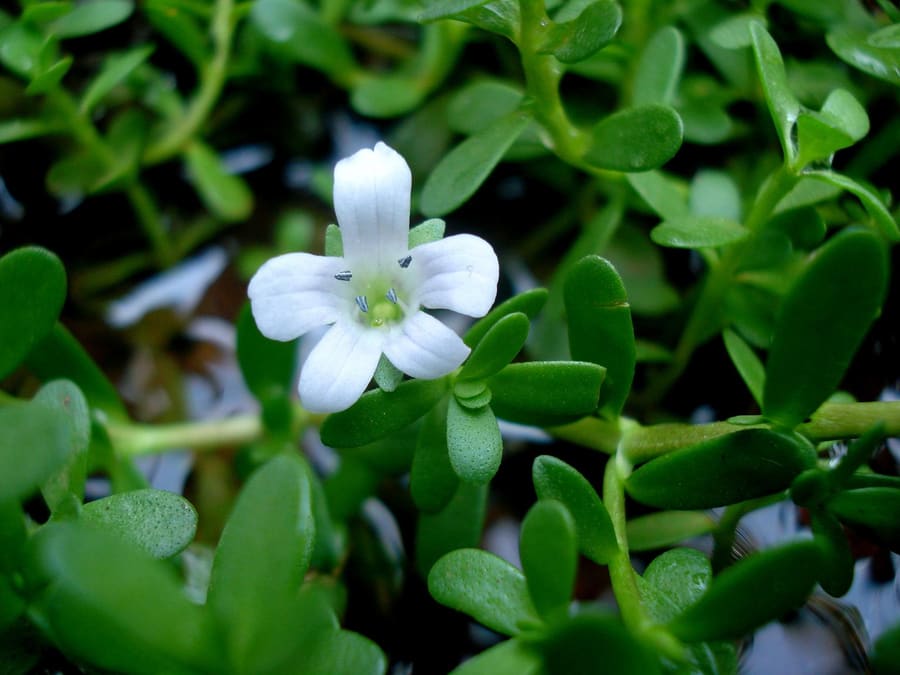 Bacopa (Bacopa monnieri)
Bacopa, also known as Water Hyssop or Brahmi, is a creeping succulent perennial that can grow to about 20 inches. It features spatula-shaped fleshy leaves and pale blue or white flowers on slender stalks. Thriving in marshlands and along the edges of mangrove swamps in warmer temperate and tropical climates - especially southern Asia - it develops into dense mats on mudflats. This herb has been a cornerstone of Ayurvedic medicine for supporting cognitive function and treating various nervous system disorders, and it is increasingly recognized in Western herbalism for its brain-enhancing properties.
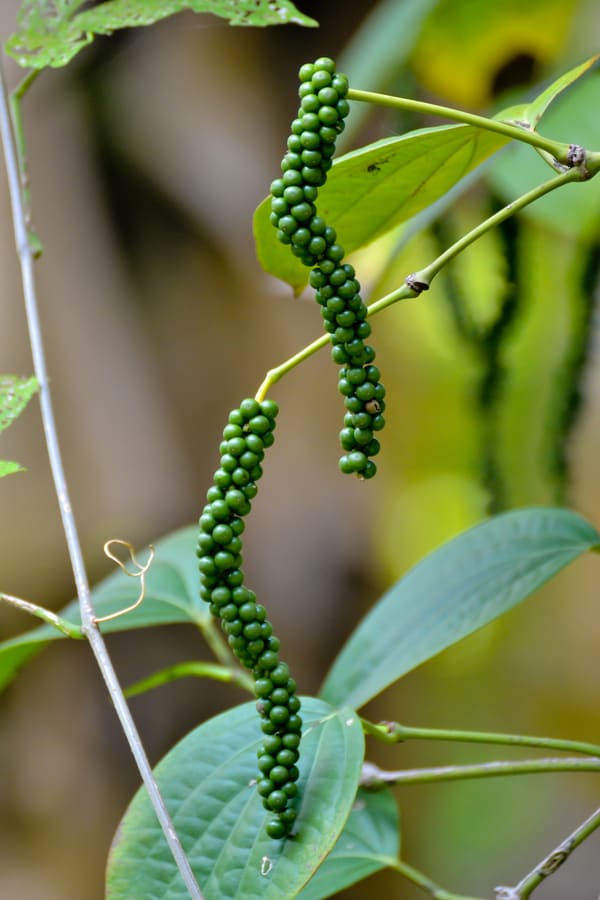 Black Pepper (Piper nigrum)
Black pepper is a perennial woody climbing vine growing to about 16 feet, with large oval leaves, spikes of small white flowers, and clusters of small round fruits that ripen from green to red. Native to southwestern India and now cultivated in tropical areas worldwide, the fruit is harvested from plants that are at least three years old. Different processing methods yield green, black, red, and white peppercorns, each with distinct flavors and uses. Cultivated as both a spice and medicine since ancient times, pepper was such a prized commodity in world trade that Attila the Hun reportedly demanded 3,000 pounds of it as ransom during his siege of Rome in 408 CE.
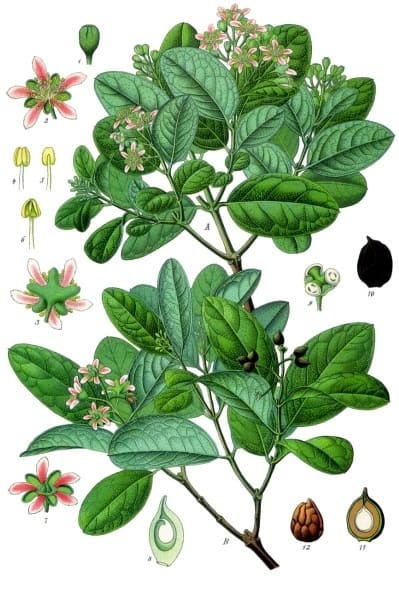 Boldo (Peumus boldus)Not for self-dosing
Boldo is a strongly aromatic multi-branched evergreen shrub or tree growing to 20 feet. It has egg-shaped leathery leaves with a lemony scent, clusters of white or yellow bell-shaped flowers, and small yellow berries. Native to Chile and Peru, it has become naturalized in the Mediterranean region and the West Coast of North America, where it grows on dry sunny slopes and in mountain pastures in the Andes. It is widely cultivated, and its leaves are gathered throughout the year. Boldo is a valued remedy in Latin American herbal medicine and is used by the Araucanian people in Chile as a tonic.
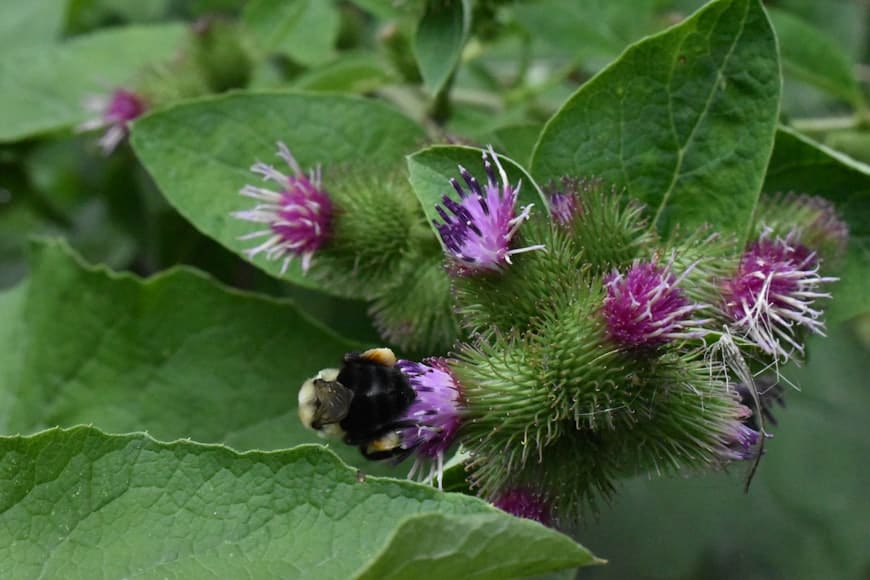 Burdock (Arctium lappa)
Burdock is a sturdy, bitter herb well-regarded for its detoxifying influence, especially on the skin and liver. It stimulates bile flow, supports liver function, and is frequently used to address acne, eczema, and other skin irritations. Its large leaves may be applied as a poultice to infected sores, and a strong root decoction can soothe itching when added to a bath. Burdock also stabilizes mast cells, potentially reducing allergic reactions.
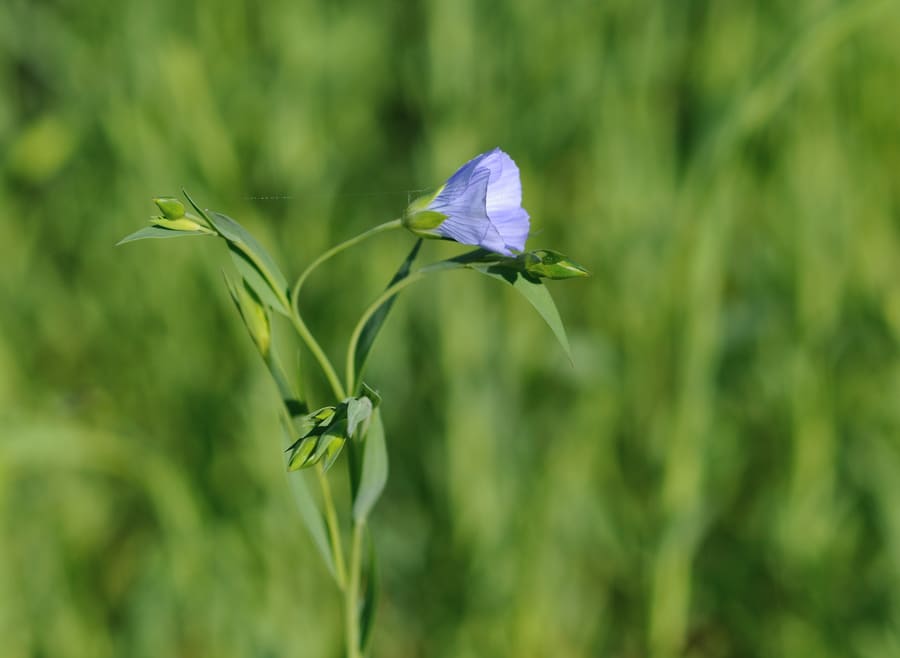 Flaxseed (Linum usitatissimum)
Flaxseed (Linum usitatissimum), also called linseed, is a slender annual plant growing up to about 3 ft (1 m). It produces narrow leaves, delicate blue flowers, and spherical seed capsules containing shiny, flat seeds. Long cultivated in the Middle East and beyond, flaxseeds are rich in beneficial fatty acids (particularly alpha-linolenic acid), protein, fiber, mucilage, and lignans (phytoestrogens). These constituents make flaxseed valuable for heart health, inflammatory conditions, and supporting estrogen balance.