
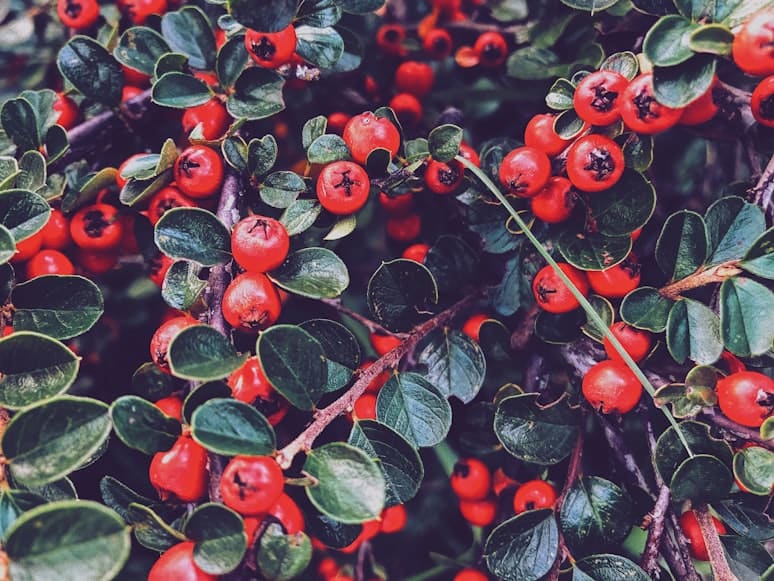
Hawthorn (Crataegus oxyacantha)
Photo: Unsplash
- Circulatory
- 2 conditions
- Licensed photo
Overview
Hawthorn (Crataegus spp.) is a deciduous, thorny tree reaching up to about 26 ft (8 m), adorned with small lobed leaves, clusters of white blossoms, and bright red berries. Renowned as a cardiac tonic, hawthorn is often called “food for the heart,” enhancing the heart’s strength, improving blood flow to heart muscle, and helping normalize blood pressure. It also reduces stress and assists digestion when used regularly.
Traditional uses & properties
Cardiac & Circulatory Tonic: Strengthens heart muscle, dilates peripheral blood vessels, reduces strain, helps with angina, mild congestive heart failure, and irregular heartbeats. Blood Pressure Normalizer: Can lower high blood pressure but also support normal pressure when low. Antioxidant & Stress-Reducing: Beneficial flavonoids help protect blood vessels from deterioration; also believed to ease nervous tension. Digestive Support: Helps calm upset digestion, particularly stress-related.
Traditional preparations
Traditional texts describe the preparations below, and where those texts give specific amounts, the amounts are quoted here as part of that record. This is a record of historical practice, not a dosage recommendation - the figures are what the sources say, not what HerbMate tells you to take. Amounts, potency, and safe use vary enormously by preparation, plant part, and person.
Decoction, tincture, and infusion of flower tops can help to restore blood pressure to normal levels.
Safety & precautions
Interactions: Can interact with prescription medications for heart and blood pressure; seek professional advice if already on such drugs. General Safety: Considered safe for long-term use in moderate amounts.
Drug & food interactions
The safety of hawthorn extracts was investigated in a comprehensive systematic review, which included data up to January 2005 from the WHO, relevant medical journals and conference proceedings. The investigators found that 166 adverse events were reported in 5577 patients from 24 clinical studies, and 18 cases of adverse events were reported via the WHO spontaneous reporting scheme. None of these involved drug interactions. In the clinical studies assessed, the daily dose and duration of treatment with hawthorn preparations ranged from 160 to 1800 mg and from 3 to 24 weeks, and the extracts most used contained leaves and flowers and were WS 1442 (standardised to 18.75% oligomeric procyanidins) and LI 132 (standardised to 2.25% flavonoids). Other studies do not appear to have identified any clinically significant drug interactions.
- Food
- No interactions found.
- Antidiabetics
- Hawthorn does not appear to affect the glycaemic control in patients taking conventional antidiabetic drugs. In a randomised study, 80 patients with type 2 diabetes taking antidiabetics (including metformin, gliclazide and/or low-dose insulin) with or without antihypertensives were given hawthorn extract 600 mg twice daily, or placebo, for 16 weeks. There was no difference between the two groups in measures of glycaemic control (fasting glucose, glycosylated haemoglobin and fructosamine) at 16 weeks. The hawthorn extract used in this study, LI 132, contained dried flowering tops and was standardised to 2.2% flavonoids.
- Antihypertensives
- Limited evidence suggests that there may be additive blood pressure-lowering effects if hawthorn is taken with conventional antihypertensives, but the effects are small. In a randomised study, 80 patients with type 2 diabetes, of whom 71% were taking antihypertensives (including ACE inhibitors, calcium-channel blockers, beta blockers and/or diuretics), were given hawthorn extract 600 mg twice daily or placebo for 16 weeks. The group given hawthorn extract (39 of 40 patients assessed) had a small additional 2.6mmHg reduction in diastolic blood pressure compared with no change in the placebo group. The 3.6mmHg decline in systolic blood pressure in the hawthorn group was not statistically significant. The hawthorn extract used in this study, LI 132, contained dried flowering tops and was standardised to 2.2% flavonoids.
- Herbal medicines
- No interactions found.
- Digoxin
- Hawthorn does not appear to affect digoxin levels. In a randomised, crossover study, 8 healthy subjects were given hawthorn extract 450 mg twice daily with digoxin 250 micrograms daily for 21 days, or digoxin 250 micrograms alone daily for 10 days. While digoxin levels tended to be lower when hawthorn was given (the biggest difference being a 23% reduction in the trough level), these reductions were not statistically significant. There was no change in ECG effects or heart rate, and the combination was well tolerated. The hawthorn extract used in this study, WS 1442, contained an extract of leaves with flowers standardised to 84.3 mg of oligomeric procyanidines.
These entries keep the wording of the reference they come from, and three phrases mean three different things. "No interactions found" means the source looked for reports of that pairing and found none. "No data found" means nothing has been published either way. "Based on experimental evidence only" means the effect has been seen in a laboratory or animal study but not in people - a reason for caution, not a report of harm.
Habitat
Widely found along roadsides and in hedgerows throughout the British Isles, Europe, and temperate regions of the northern hemisphere, hawthorn can be grown from seed (though slow to germinate) or from cuttings. The flowering tops are harvested in late spring, and berries in late summer to early autumn.
Traditionally used for
Each condition shows its first 2 remedies free. Premium opens the full remedy list for every condition - or come back for the free Condition of the Day.
Frequently asked questions
What is Hawthorn (Crataegus oxyacantha) traditionally used for?
Traditional sources describe Hawthorn (Crataegus oxyacantha) as follows: Cardiac & Circulatory Tonic: Strengthens heart muscle, dilates peripheral blood vessels, reduces strain, helps with angina, mild congestive heart failure, and irregular heartbeats. Blood Pressure Normalizer: Can lower high blood pressure but also support normal pressure when low. Antioxidant & Stress-Reducing: Beneficial flavonoids help protect blood vessels from deterioration; also believed to ease nervous tension. Digestive Support: Helps calm upset digestion, particularly stress-related.
How is Hawthorn (Crataegus oxyacantha) prepared?
Traditional texts describe the preparations below, and where those texts give specific amounts, the amounts are quoted here as part of that record. This is a record of historical practice, not a dosage recommendation - the figures are what the sources say, not what HerbMate tells you to take. Amounts, potency, and safe use vary enormously by preparation, plant part, and person. High Blood Pressure: Decoction, tincture, and infusion of flower tops can help to restore blood pressure to normal levels.
What safety cautions apply to Hawthorn (Crataegus oxyacantha)?
Interactions: Can interact with prescription medications for heart and blood pressure; seek professional advice if already on such drugs. General Safety: Considered safe for long-term use in moderate amounts.
Related herbs
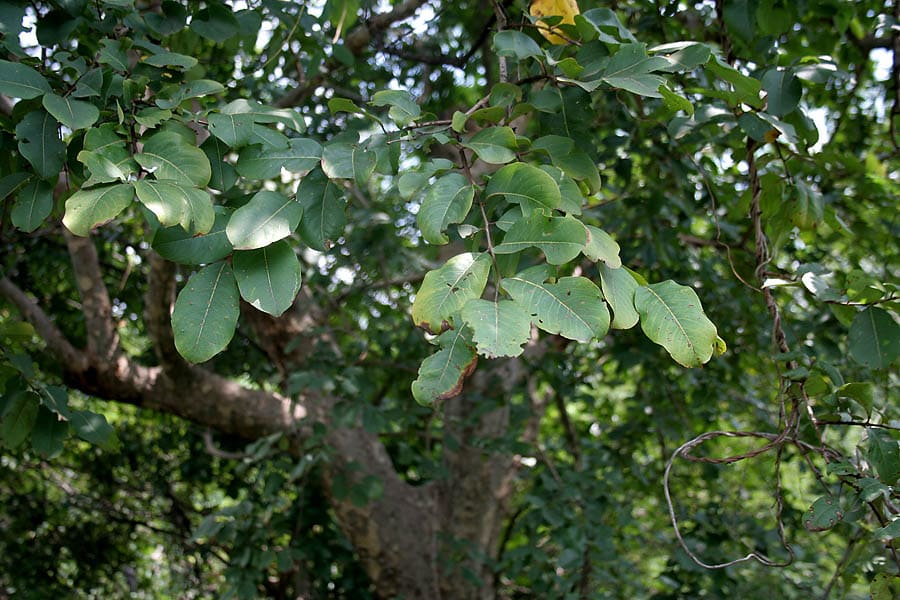 Arjun (Terminalia arjuna)
Arjun is an evergreen tree that can grow up to about 100 ft (30 m) high, bearing pale yellow flowers and cone-shaped leaves. Its bark has a longstanding reputation in Ayurvedic medicine - used for at least 3,000 years - as a primary heart remedy. Traditional texts report its effectiveness in angina, congestive heart failure, and poor coronary circulation, with modern research suggesting it helps reduce blood cholesterol and may stabilize heart rhythms.
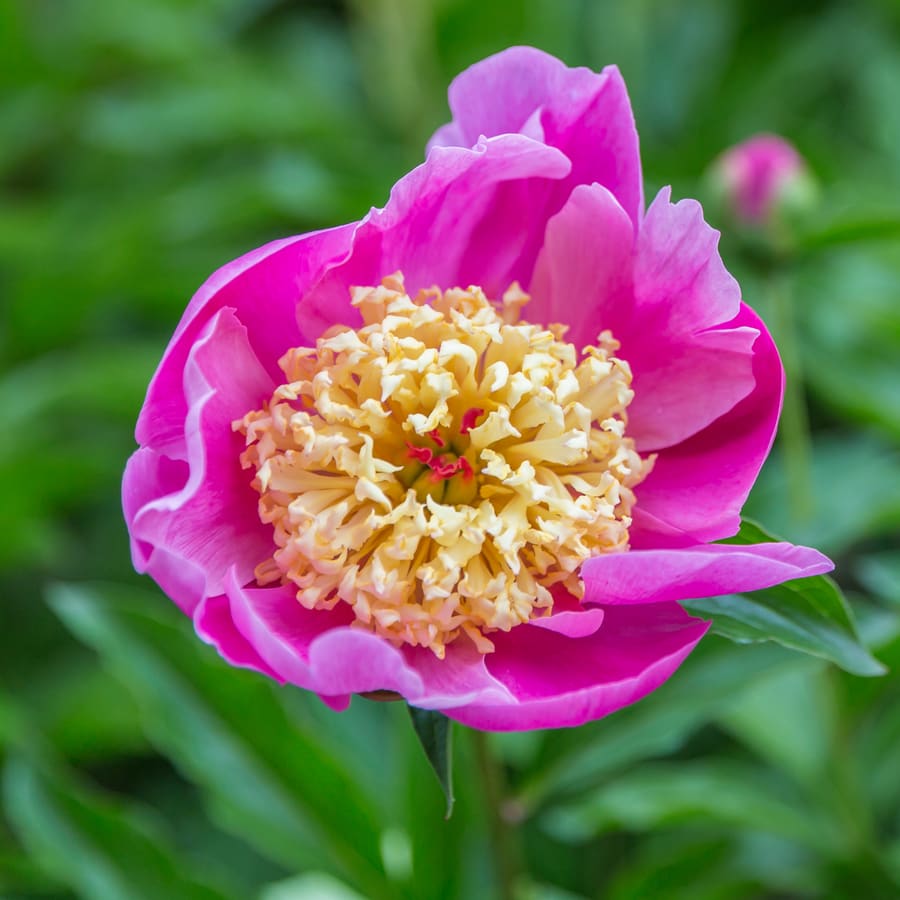 Chinese Peony / White Peony (Paeonia lactiflora)
White peony is an upright perennial growing to 6.5 feet with large white flowers and divided, dark green leaves. Its history of medicinal use in China stretches back at least 1,500 years, most notably as one of the herbs in 'Four Things Soup,' a renowned female tonic. Traditionally, it is believed that women who take the herb regularly become as radiant as the flower itself. The plant is cultivated throughout northeastern China and Inner Mongolia, propagated from seed in spring or from root cuttings in winter. The root of 4- or 5-year-old plants is harvested in spring or autumn and valued as a hormonal tonic.
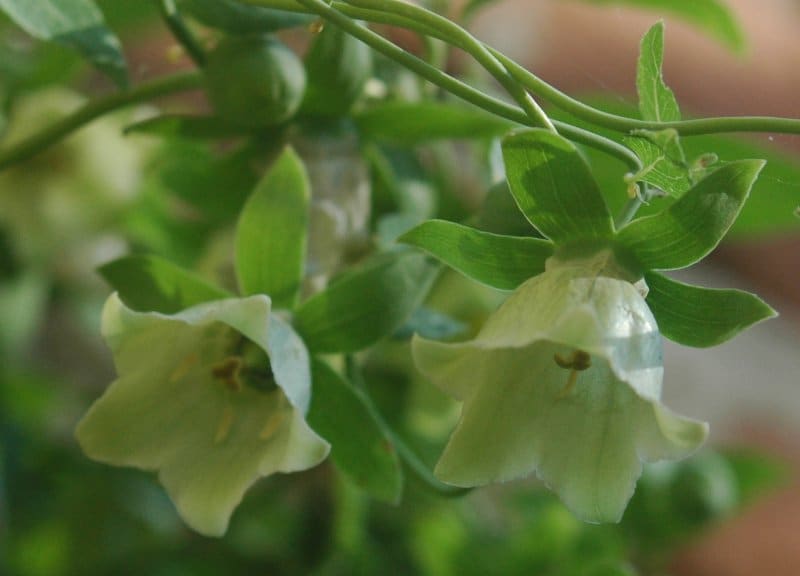 Codonopsis (Codonopsis pilosula)
Codonopsis is a small twining perennial growing to 5 feet with oval leaves and pendulous green and purple bell-shaped flowers marked with purple in summer. Native to northeastern China and growing throughout the region - especially in the Shanxi and Szechuan provinces - it is propagated from seed in spring or autumn, and the root is harvested in autumn once the aerial parts have died down. In Chinese herbal medicine, codonopsis holds a central place as a gentle tonic that increases energy levels, improves physical and mental well-being, and helps the body adapt to stress.
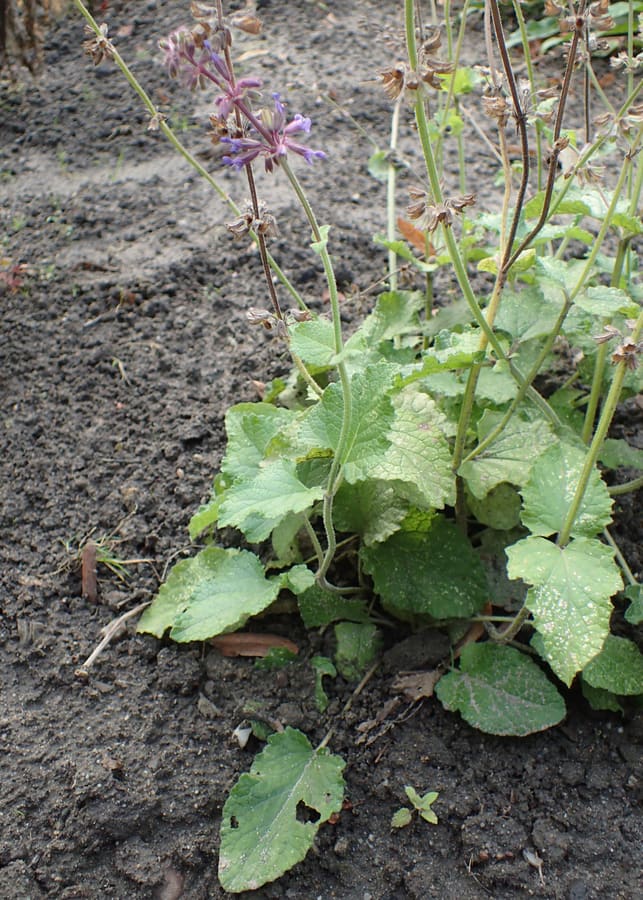 Dan Shen (Salvia miltiorrhiza)
Dan shen (Salvia miltiorrhiza) is a hardy perennial sage with purple flower clusters, growing up to 32 in (80 cm). Prized in Traditional Chinese Medicine (TCM) as a circulatory tonic for heart and blood vessel health, dan shen helps “invigorate the blood” and ease conditions linked to blood stagnation, such as painful or irregular periods. Modern research affirms its beneficial effects in supporting heart function and reducing angina.
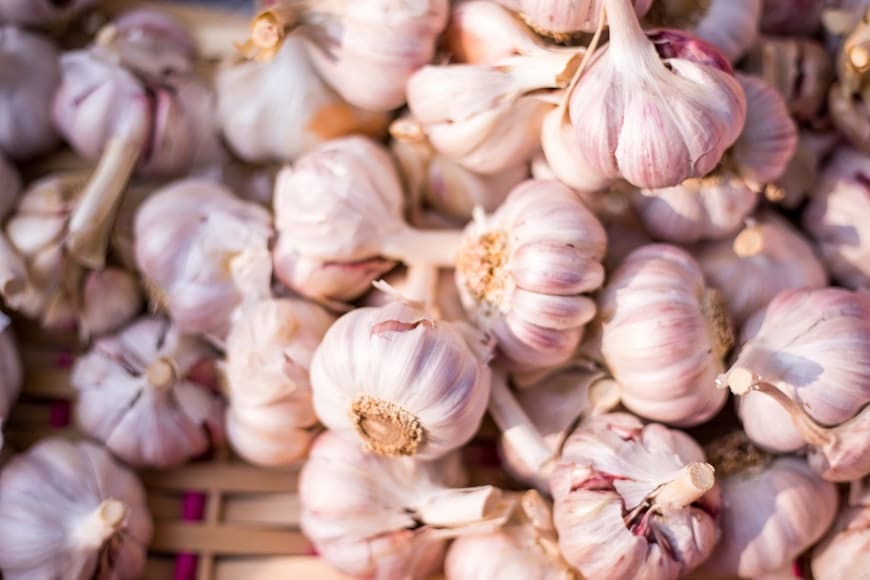 Garlic (Allium sativum)
Garlic (Allium sativum) is a bulbous perennial in the onion family, recognized for its sharp flavor and characteristic odor. Highly valued for both culinary and medicinal purposes, crushed fresh garlic contains allicin, which has potent antibiotic, antifungal, and antiviral properties. Regular garlic intake supports immunity, respiratory health, and circulatory function.
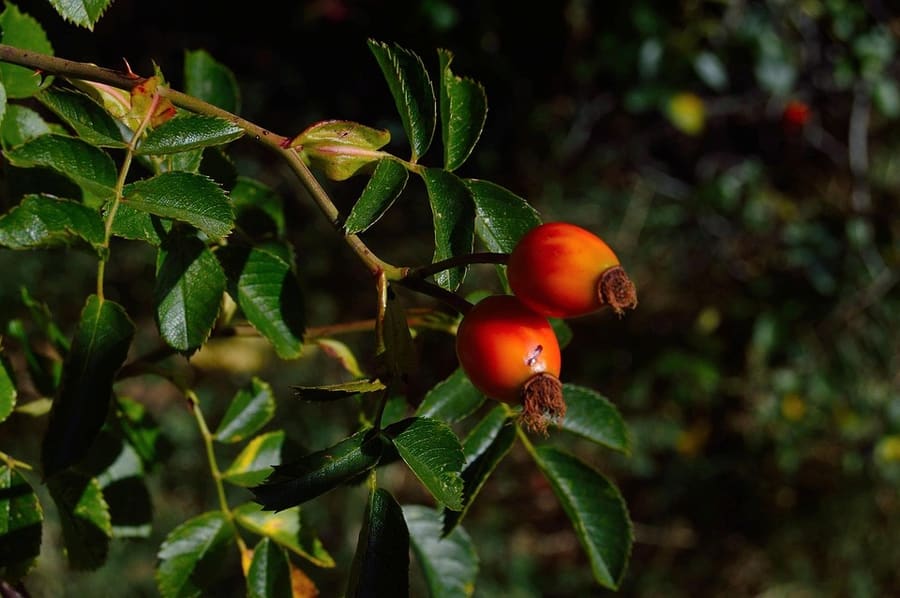 Goji Berry (Lycium chinense)
Goji berry (Lycium barbarum) is a deciduous shrub that can grow up to about 13 ft (4 m), bearing bright green leaves and vivid scarlet berries. A key tonic in Traditional Chinese Medicine, goji berries are believed to support longevity, with references stretching back to the 1st century ce. Both the berries (rich in vitamins, polysaccharides, and carotenoids) and the root have diverse medicinal applications.
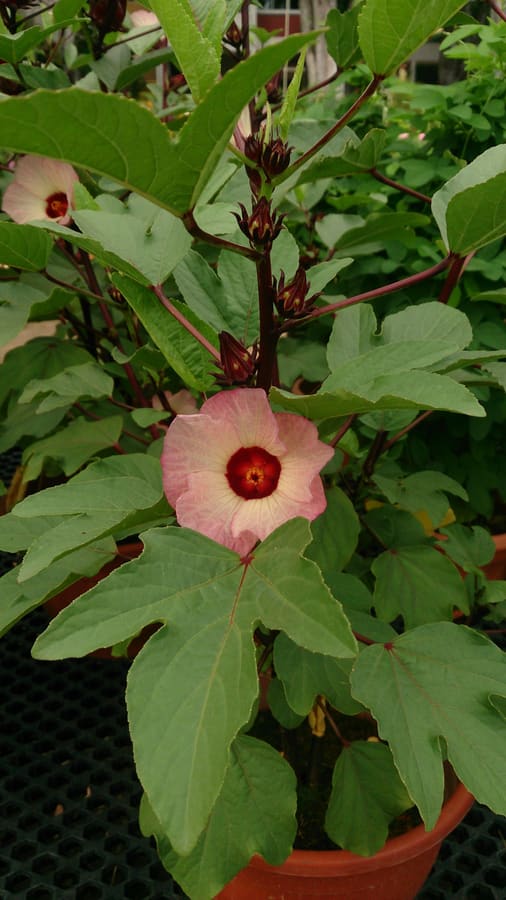 Hibiscus (Hibiscus sabdariffa)
Hibiscus (Hibiscus sabdariffa) is a shrub (reaching about 6½ ft / 2 m) producing large, showy flowers and brightly colored calyces. Valued for its tangy, ruby-red tea (“hibiscus tea” or “jamaica” in parts of Latin America), hibiscus is mildly sedative, cooling, and supportive of cardiovascular health, digestion, and general well-being.
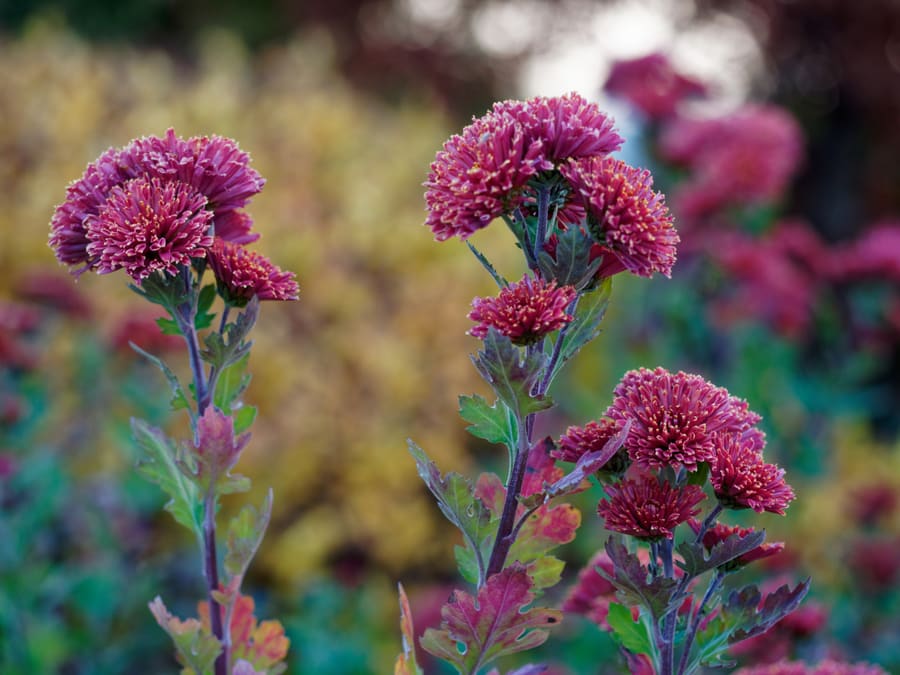 Ju Hua (Chrysanthemum x morifolium)
Ju hua (Chrysanthemum x morifolium), commonly called the florists’ chrysanthemum, is a perennial reaching about 5 ft (1.5 m), producing clusters of white or yellow daisy-like flowers. In Traditional Chinese Medicine (TCM), it’s a well-known remedy for eye problems, infections, and high blood pressure.