
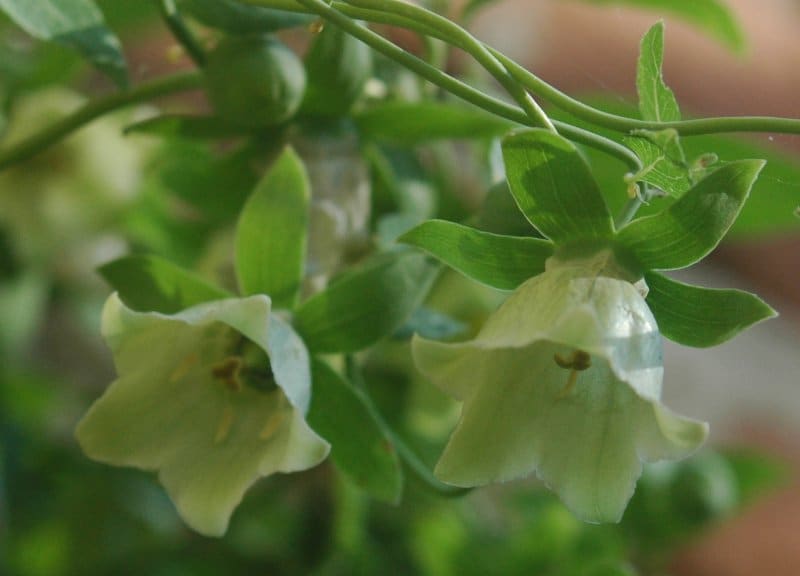
Codonopsis (Codonopsis pilosula)
Photo: Doronenko · CC BY 2.5
- Circulatory
- 5 conditions
- Licensed photo
Overview
Codonopsis is a small twining perennial growing to 5 feet with oval leaves and pendulous green and purple bell-shaped flowers marked with purple in summer. Native to northeastern China and growing throughout the region - especially in the Shanxi and Szechuan provinces - it is propagated from seed in spring or autumn, and the root is harvested in autumn once the aerial parts have died down. In Chinese herbal medicine, codonopsis holds a central place as a gentle tonic that increases energy levels, improves physical and mental well-being, and helps the body adapt to stress.
Traditional uses & properties
Codonopsis is an adaptogen similar to ginseng but with a milder and shorter-lasting effect, making it suitable for those who find ginseng too strong. It tones the qi (vital force), lungs, and spleen, improving vitality and balancing metabolic function. Laboratory research shows it increases hemoglobin and red blood cell levels and lowers blood pressure, while other studies confirm its ability to enhance endurance to stress and maintain alertness. The herb is taken for tired limbs, general fatigue, digestive problems such as appetite loss, vomiting, and diarrhea, and is thought to nourish the yin of the stomach without making it too 'wet' while toning the spleen without making it too 'dry.' Codonopsis is beneficial in chronic illness where 'spleen qi deficiency' contributes to symptoms. It is especially valued for people who are stressed and have 'false fire' symptoms - including tense neck muscles, headaches, irritability, and high blood pressure - as it is more effective than stronger adaptogens like ginseng in reducing adrenaline levels and associated stress. Nursing mothers in China take it regularly to increase milk production and as a tonic to 'build strong blood.' It also clears excessive mucus from the lungs and is useful for respiratory problems including shortness of breath and asthma.
Traditional preparations
Traditional texts describe the preparations below, and where those texts give specific amounts, the amounts are quoted here as part of that record. This is a record of historical practice, not a dosage recommendation - the figures are what the sources say, not what HerbMate tells you to take. Amounts, potency, and safe use vary enormously by preparation, plant part, and person.
Standard decoction: 4-12 ounces up to 3 times daily. Capsules or powder: 1,000-3,000 mg, 2-3 times daily. Bulk herb: Commonly cooked in broth with medicinal mushrooms and astragalus.
Safety & precautions
No known warnings. Generally safe and well-tolerated.
Drug & food interactions
Interaction data is not available for this herb - talk to a pharmacist before combining it with any medication. A blank entry here means we have not documented interactions, not that none exist.
Habitat
Native to northeastern China and grows throughout much of the region, especially in the Shanxi and Szechuan provinces. Propagated from seed in spring or autumn. The root is harvested in autumn once the aerial parts have died down.
Traditionally used for
- Anaemia4 herbs · 2 free
- High Blood Pressure11 herbs · 2 free
- Indigestion24 herbs · 2 free
- Stress13 herbs · 2 free
- Asthma14 herbs · 2 free
Each condition shows its first 2 remedies free. Premium opens the full remedy list for every condition - or come back for the free Condition of the Day.
Frequently asked questions
What is Codonopsis (Codonopsis pilosula) traditionally used for?
Traditional sources describe Codonopsis (Codonopsis pilosula) as follows: Codonopsis is an adaptogen similar to ginseng but with a milder and shorter-lasting effect, making it suitable for those who find ginseng too strong. It tones the qi (vital force), lungs, and spleen, improving vitality and balancing metabolic function. Laboratory research shows it increases hemoglobin and red blood cell levels and lowers blood pressure, while other studies confirm its ability to enhance endurance to stress and maintain alertness. The herb is taken for tired limbs, general fatigue, digestive problems such as appetite loss, vomiting, and diarrhea, and is thought to nourish the yin of the stomach without making it too 'wet' while toning the spleen without making it too 'dry.' Codonopsis is beneficial in chronic illness where 'spleen qi deficiency' contributes to symptoms. It is especially valued for people who are stressed and have 'false fire' symptoms - including tense neck muscles, headaches, irritability, and high blood pressure - as it is more effective than stronger adaptogens like ginseng in reducing adrenaline levels and associated stress. Nursing mothers in China take it regularly to increase milk production and as a tonic to 'build strong blood.' It also clears excessive mucus from the lungs and is useful for respiratory problems including shortness of breath and asthma.
How is Codonopsis (Codonopsis pilosula) prepared?
Traditional texts describe the preparations below, and where those texts give specific amounts, the amounts are quoted here as part of that record. This is a record of historical practice, not a dosage recommendation - the figures are what the sources say, not what HerbMate tells you to take. Amounts, potency, and safe use vary enormously by preparation, plant part, and person. Standard decoction: 4-12 ounces up to 3 times daily. Capsules or powder: 1,000-3,000 mg, 2-3 times daily. Bulk herb: Commonly cooked in broth with medicinal mushrooms and astragalus.
What safety cautions apply to Codonopsis (Codonopsis pilosula)?
No known warnings. Generally safe and well-tolerated.
Related herbs
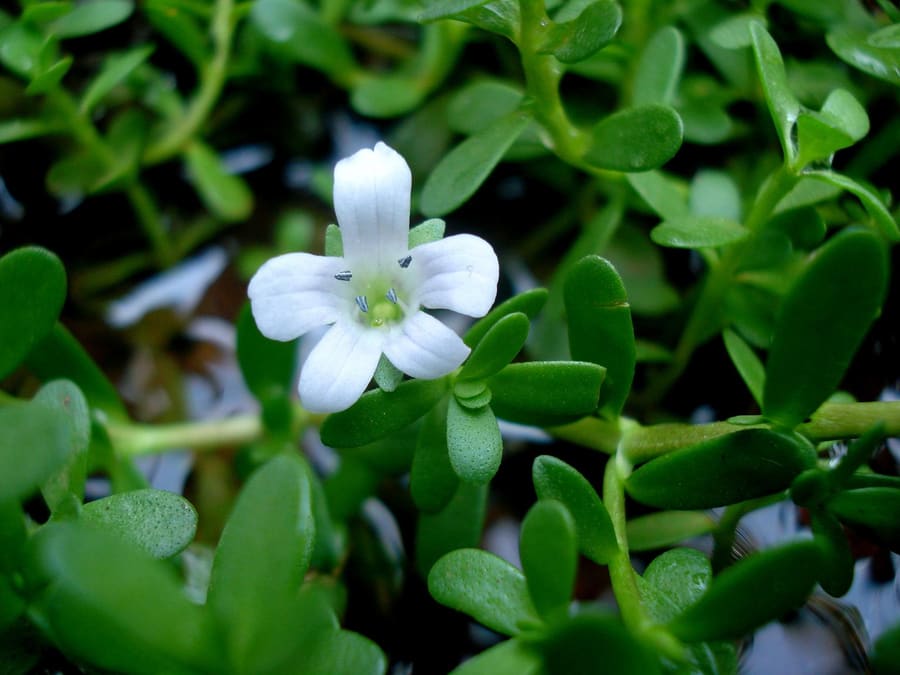 Bacopa (Bacopa monnieri)
Bacopa, also known as Water Hyssop or Brahmi, is a creeping succulent perennial that can grow to about 20 inches. It features spatula-shaped fleshy leaves and pale blue or white flowers on slender stalks. Thriving in marshlands and along the edges of mangrove swamps in warmer temperate and tropical climates - especially southern Asia - it develops into dense mats on mudflats. This herb has been a cornerstone of Ayurvedic medicine for supporting cognitive function and treating various nervous system disorders, and it is increasingly recognized in Western herbalism for its brain-enhancing properties.
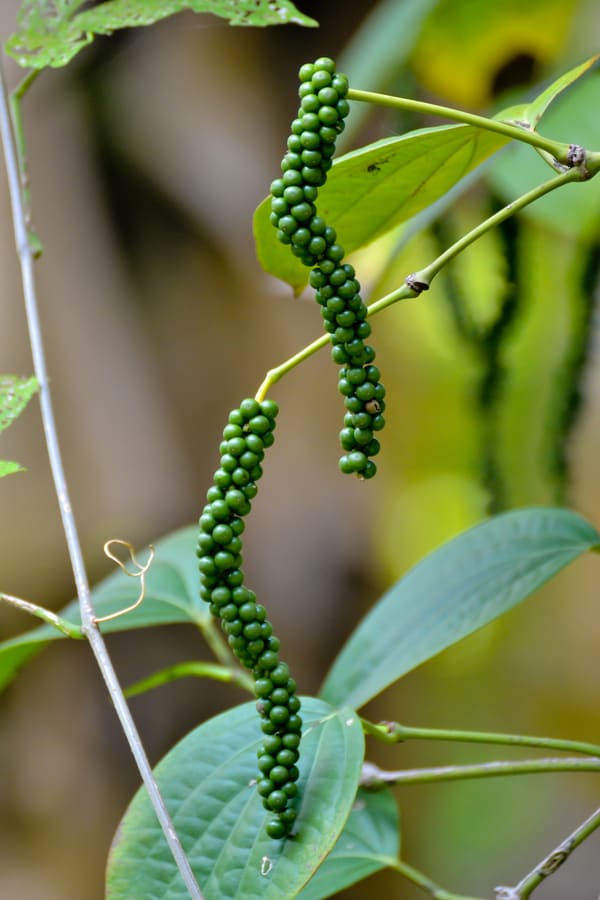 Black Pepper (Piper nigrum)
Black pepper is a perennial woody climbing vine growing to about 16 feet, with large oval leaves, spikes of small white flowers, and clusters of small round fruits that ripen from green to red. Native to southwestern India and now cultivated in tropical areas worldwide, the fruit is harvested from plants that are at least three years old. Different processing methods yield green, black, red, and white peppercorns, each with distinct flavors and uses. Cultivated as both a spice and medicine since ancient times, pepper was such a prized commodity in world trade that Attila the Hun reportedly demanded 3,000 pounds of it as ransom during his siege of Rome in 408 CE.
- Cardamom (Eletteria cardamomum)
Cardamom is an aromatic spice long prized for its fragrant, pungent taste. In Ayurvedic medicine, it has been used for digestive complaints - soothing indigestion, gas, and cramping - and is sometimes employed for respiratory conditions and kidney ailments. Cardamom has a centuries-old reputation as an aphrodisiac and is also believed to help relieve stress and depression when prepared in a mild infusion. Thanks to its agreeable flavor, cardamom is often added to herbal formulas to improve taste.
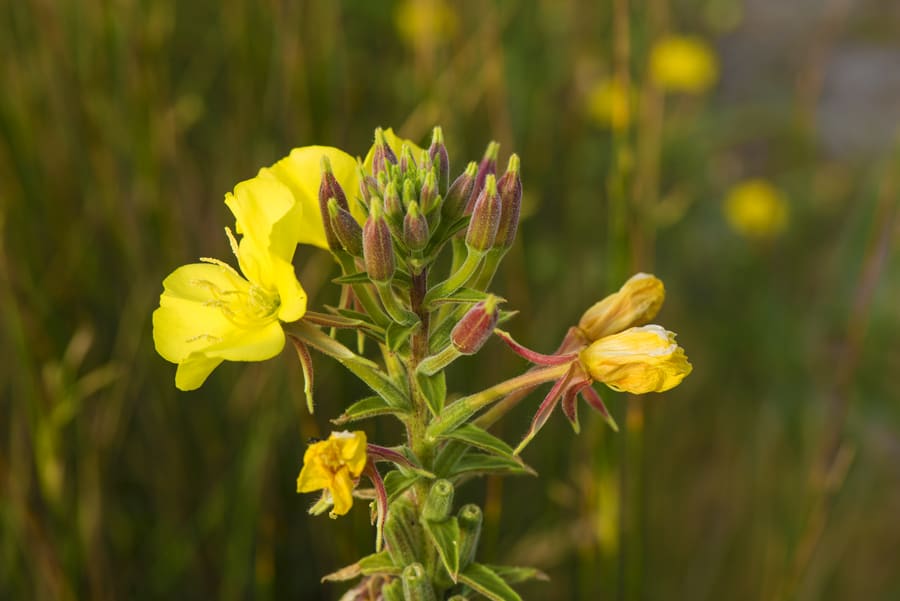 Evening Primrose (Oenothera biennis)
Biennial herb growing to 8 in (20 cm). Has red blotches on stem, crinkled lance-shaped leaves, 4-petaled yellow flowers, and elongated seed capsules. The flowers, leaves, and stem bark of evening primrose have astringent and sedative properties. All three parts have been employed in the treatment of whooping cough. Evening primrose has also been taken for digestive problems and asthma, and used as a poultice to ease the discomfort of rheumatic disorders.
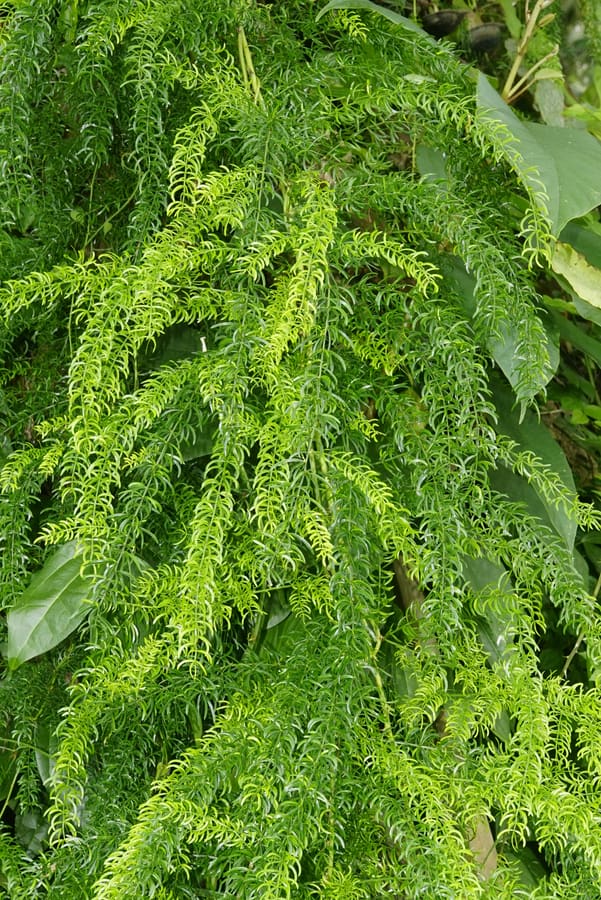 Shatavari (Asparagus racemosus)
Shatavari is a slender perennial fern that can grow up to 23 feet in height, featuring fronds of needle-like leaves, tiny white flowers, and purple-black berries. Known as the 'Queen of herbs' in Ayurvedic medicine, its name literally means '100 spouses,' reflecting its reputation as a sexual tonic and fertility promoter. The root is the medicinal part used. Native to the Himalayas and Indian subcontinent, it grows wild in gravelly soils up to 3,900 feet above sea level and is also found in western China.
- Triphala (Terminalia chebula blend)
Triphala is not a single herb but a traditional Ayurvedic blend of three fruits: haritaki (Terminalia chebula), bibhitaki (Terminalia bellirica), and amalaki or Indian gooseberry (Emblica officinalis). Haritaki has balanced energy with five flavors (bitter, sour, astringent, salty, and sweet), acting as a mild laxative that tones intestinal membranes, lubricates tissues, and relaxes muscle spasms. Bibhitaki is pungent, warming, antispasmodic, and serves as an expectorant and decongestant for respiratory conditions. Amalaki also has balanced energy with five flavors (sour, astringent, sweet, pungent, and bitter), containing small amounts of anthraquinones while being astringent, thus both laxative and bowel-toning, correcting both constipation and diarrhea.
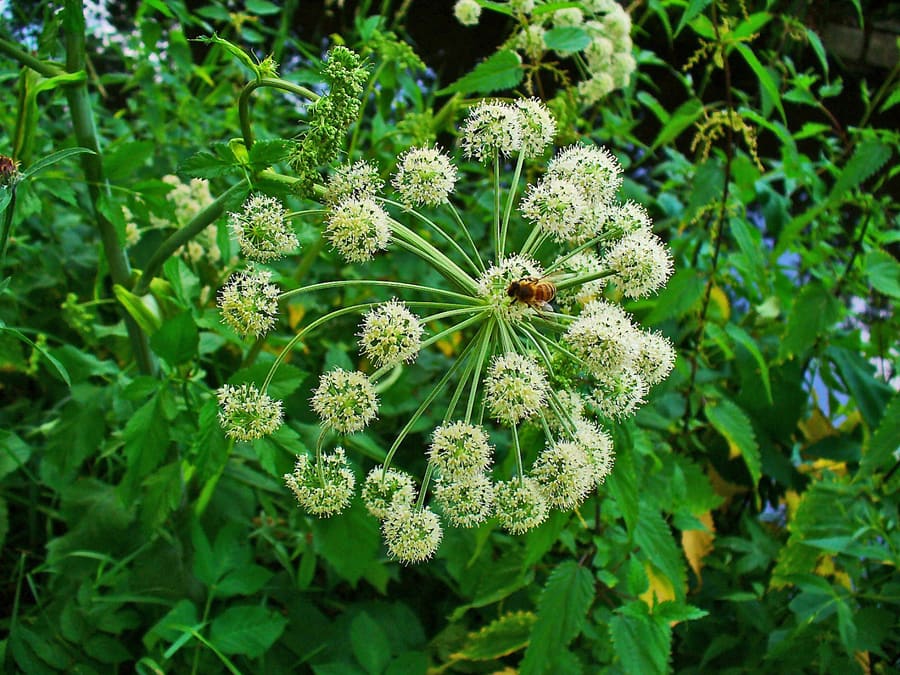 Angelica (angelica archangelica)
Angelica (Angelica archangelica) is a large, aromatic biennial herb growing up to about 6½ ft (2 m), with ridged hollow stems, bright green divided leaves, and greenish-white flowers arranged in umbrella-like clusters (umbels). It has a warm, tonic character and is often compared to dong quai (Chinese angelica) for its usefulness in supporting women’s health and circulation. Traditional sources note its warming action on the stomach, spleen, and intestines.
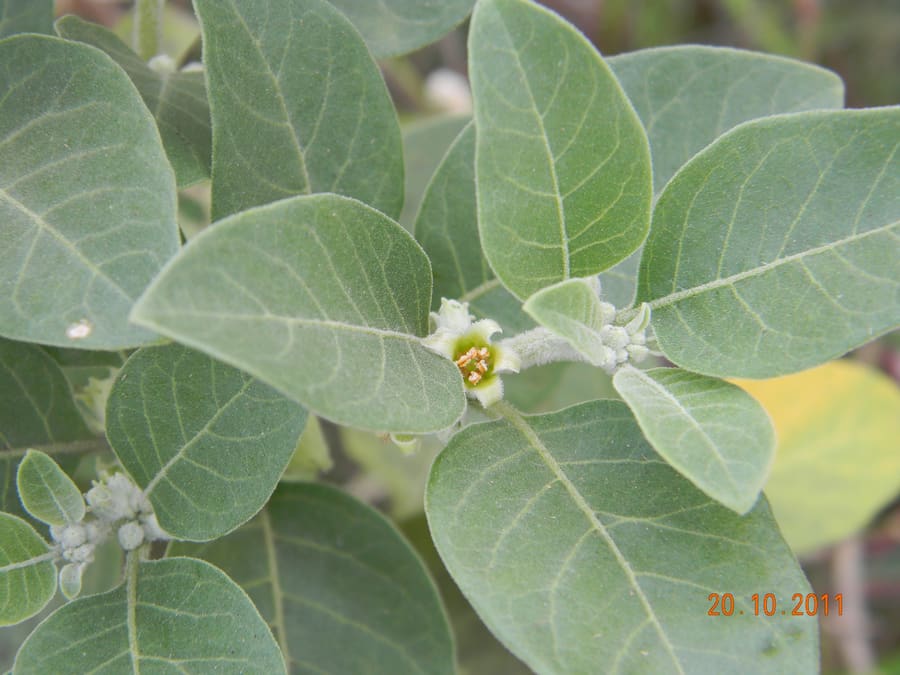 Ashwagandha (Withania somnifera)
Ashwagandha (Withania somnifera), sometimes called “Indian ginseng,” is a sturdy shrub growing to about 5 ft (1.5 m) with oval leaves, greenish or yellow flowers, and small, round fruits. A key herb in Ayurvedic medicine, it is valued for boosting vitality and aiding convalescence from chronic illnesses. It promotes relaxation, increases energy and muscle tone, and can support healthy thyroid hormone conversion from T4 to T3. Traditionally, ashwagandha is considered a “Rasáyana” (rejuvenator), used long-term to rebuild and regenerate body and mind.