
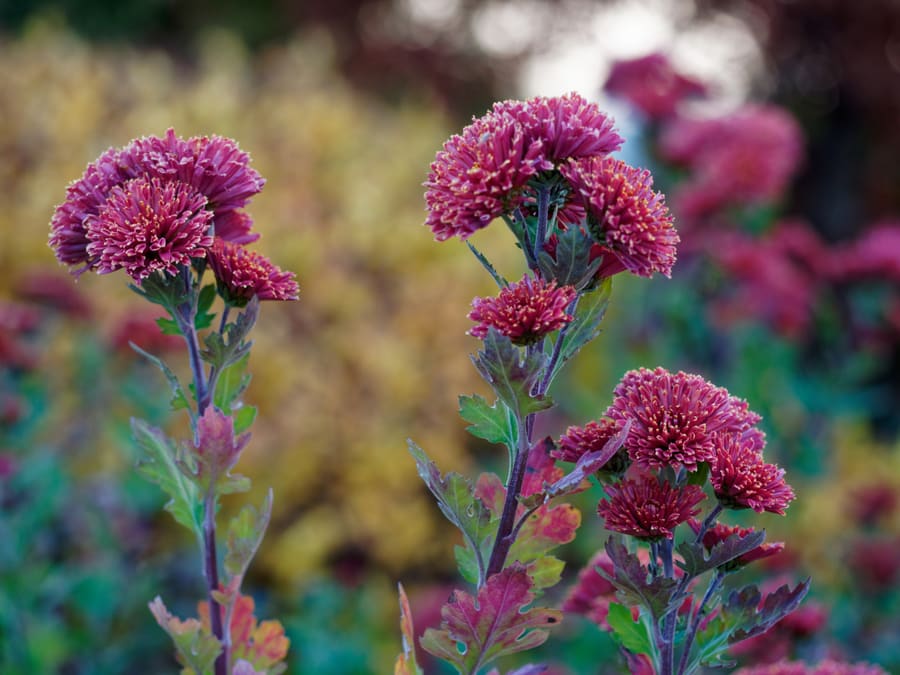
Ju Hua (Chrysanthemum x morifolium)
Photo: F. D. Richards from Clinton, MI · CC BY-SA 2.0
- Circulatory
- 2 conditions
- Licensed photo
Overview
Ju hua (Chrysanthemum x morifolium), commonly called the florists’ chrysanthemum, is a perennial reaching about 5 ft (1.5 m), producing clusters of white or yellow daisy-like flowers. In Traditional Chinese Medicine (TCM), it’s a well-known remedy for eye problems, infections, and high blood pressure.
Traditional uses & properties
Cooling & Detoxifying: Reduces fever, relieves mild infections (colds, sore throats), and helps headaches. Eye Health: Popular remedy for red, sore eyes; often used in compresses. In Chinese practice, also taken to maintain vision. Blood Pressure Lowering & Cardiovascular Support: Studies indicate it helps reduce hypertension symptoms (dizziness, insomnia, headache). Antiseptic & Anti-Inflammatory: Addresses skin complaints (acne, boils) when applied externally.
Traditional preparations
Traditional texts describe the preparations below, and where those texts give specific amounts, the amounts are quoted here as part of that record. This is a record of historical practice, not a dosage recommendation - the figures are what the sources say, not what HerbMate tells you to take. Amounts, potency, and safe use vary enormously by preparation, plant part, and person.
Make an infusion of flower heads and drink 3/4 cup (150 ml) at hourly intervals.
Safety & precautions
Allergic Reactions: Possible in those sensitive to plants in the daisy family. General: Generally safe in moderate doses.
Drug & food interactions
Interaction data is not available for this herb - talk to a pharmacist before combining it with any medication. A blank entry here means we have not documented interactions, not that none exist.
Habitat
Native to China, ju hua is now widely grown in East Asia. Propagation occurs by cuttings in spring or early summer. Flower heads are harvested in autumn when fully open and often steam-treated prior to drying to reduce bitterness.
Traditionally used for
Each condition shows its first 2 remedies free. Premium opens the full remedy list for every condition - or come back for the free Condition of the Day.
Frequently asked questions
What is Ju Hua (Chrysanthemum x morifolium) traditionally used for?
Traditional sources describe Ju Hua (Chrysanthemum x morifolium) as follows: Cooling & Detoxifying: Reduces fever, relieves mild infections (colds, sore throats), and helps headaches. Eye Health: Popular remedy for red, sore eyes; often used in compresses. In Chinese practice, also taken to maintain vision. Blood Pressure Lowering & Cardiovascular Support: Studies indicate it helps reduce hypertension symptoms (dizziness, insomnia, headache). Antiseptic & Anti-Inflammatory: Addresses skin complaints (acne, boils) when applied externally.
How is Ju Hua (Chrysanthemum x morifolium) prepared?
Traditional texts describe the preparations below, and where those texts give specific amounts, the amounts are quoted here as part of that record. This is a record of historical practice, not a dosage recommendation - the figures are what the sources say, not what HerbMate tells you to take. Amounts, potency, and safe use vary enormously by preparation, plant part, and person. High Blood Pressure: Make an infusion of flower heads and drink 3/4 cup (150 ml) at hourly intervals.
What safety cautions apply to Ju Hua (Chrysanthemum x morifolium)?
Allergic Reactions: Possible in those sensitive to plants in the daisy family. General: Generally safe in moderate doses.
Related herbs
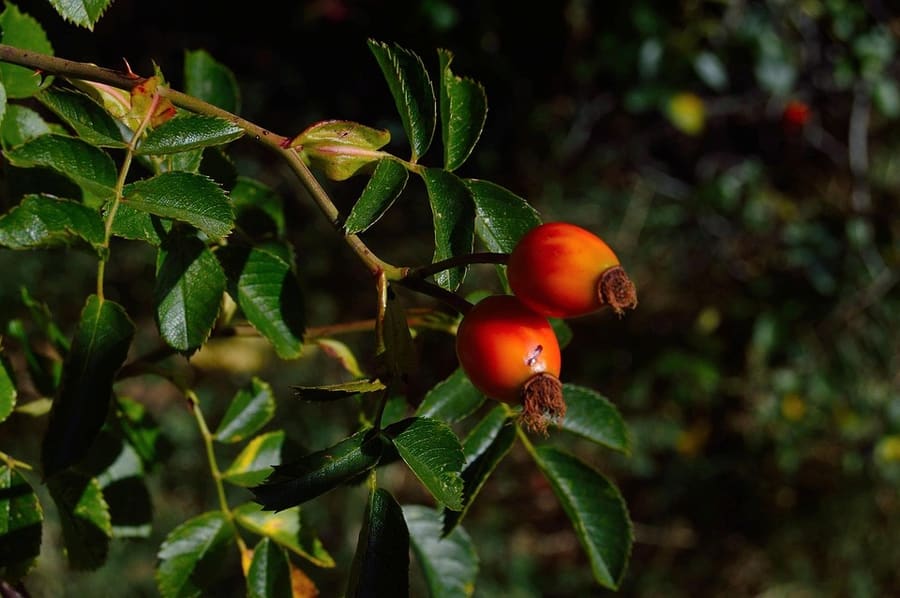 Goji Berry (Lycium chinense)
Goji berry (Lycium barbarum) is a deciduous shrub that can grow up to about 13 ft (4 m), bearing bright green leaves and vivid scarlet berries. A key tonic in Traditional Chinese Medicine, goji berries are believed to support longevity, with references stretching back to the 1st century ce. Both the berries (rich in vitamins, polysaccharides, and carotenoids) and the root have diverse medicinal applications.
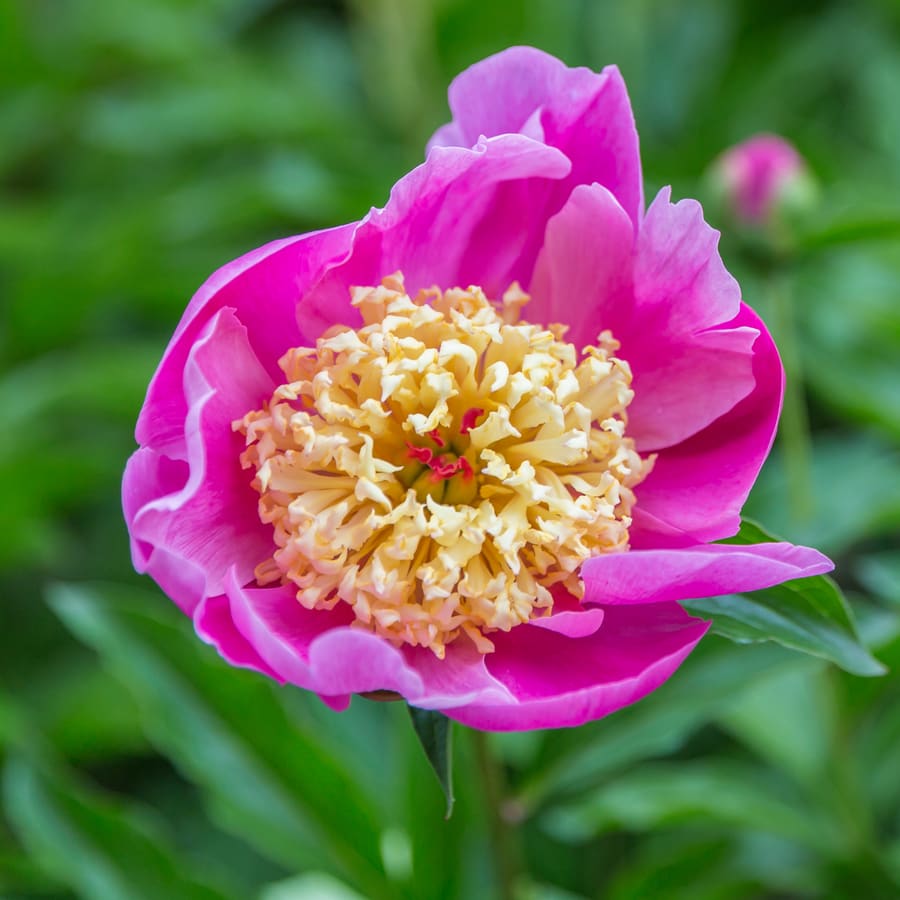 Chinese Peony / White Peony (Paeonia lactiflora)
White peony is an upright perennial growing to 6.5 feet with large white flowers and divided, dark green leaves. Its history of medicinal use in China stretches back at least 1,500 years, most notably as one of the herbs in 'Four Things Soup,' a renowned female tonic. Traditionally, it is believed that women who take the herb regularly become as radiant as the flower itself. The plant is cultivated throughout northeastern China and Inner Mongolia, propagated from seed in spring or from root cuttings in winter. The root of 4- or 5-year-old plants is harvested in spring or autumn and valued as a hormonal tonic.
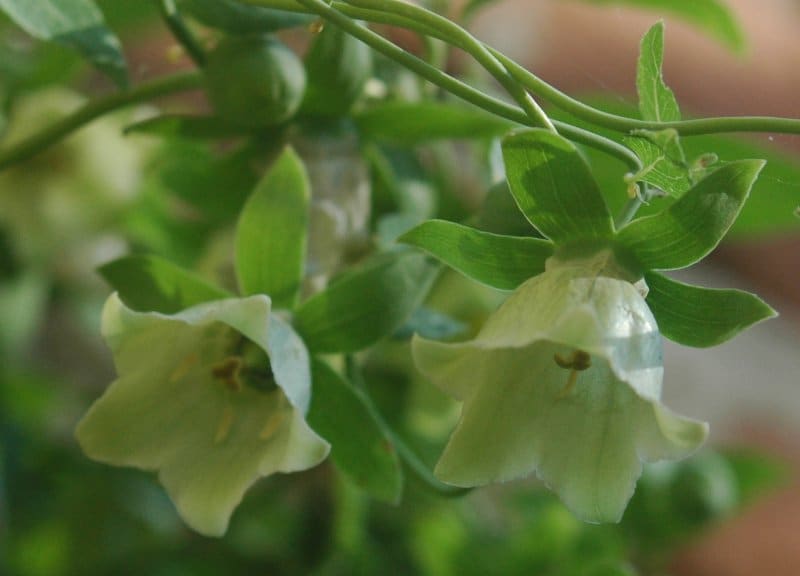 Codonopsis (Codonopsis pilosula)
Codonopsis is a small twining perennial growing to 5 feet with oval leaves and pendulous green and purple bell-shaped flowers marked with purple in summer. Native to northeastern China and growing throughout the region - especially in the Shanxi and Szechuan provinces - it is propagated from seed in spring or autumn, and the root is harvested in autumn once the aerial parts have died down. In Chinese herbal medicine, codonopsis holds a central place as a gentle tonic that increases energy levels, improves physical and mental well-being, and helps the body adapt to stress.
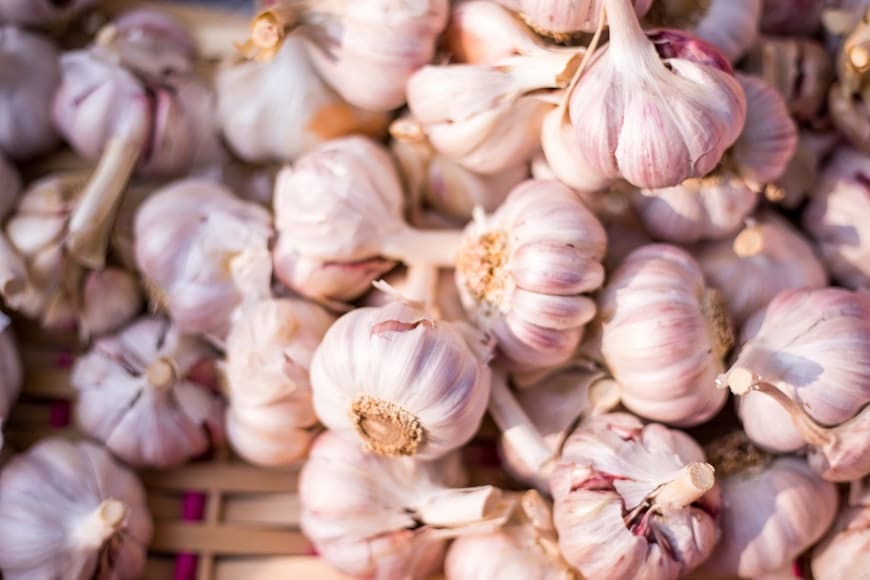 Garlic (Allium sativum)
Garlic (Allium sativum) is a bulbous perennial in the onion family, recognized for its sharp flavor and characteristic odor. Highly valued for both culinary and medicinal purposes, crushed fresh garlic contains allicin, which has potent antibiotic, antifungal, and antiviral properties. Regular garlic intake supports immunity, respiratory health, and circulatory function.
 Ginkgo (Ginkgo biloba)
Ginkgo (Ginkgo biloba) is a distinctive, long-lived deciduous tree that can grow up to about 100 ft (30 m). It has fan-shaped leaves with radiating veins, often turning bright yellow in autumn. Ginkgo is widely revered for its benefits to circulation, especially in the brain, where it can help improve memory, concentration, and support cognitive function.
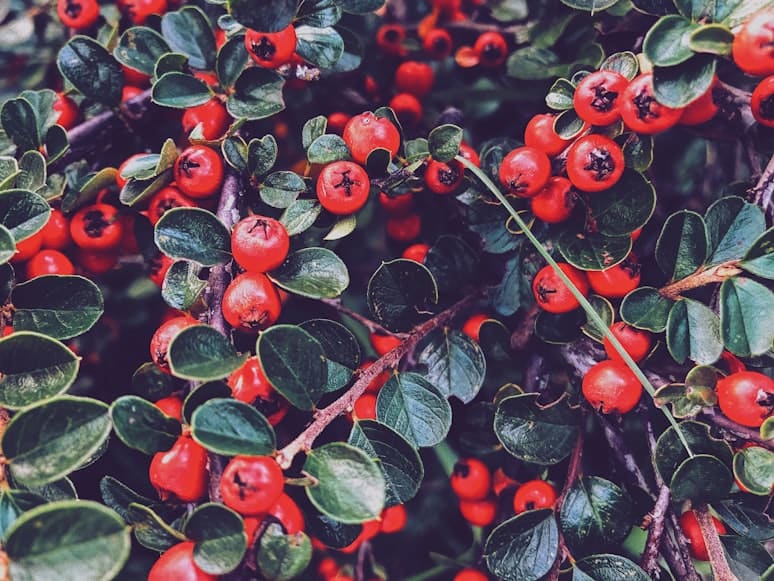 Hawthorn (Crataegus oxyacantha)
Hawthorn (Crataegus spp.) is a deciduous, thorny tree reaching up to about 26 ft (8 m), adorned with small lobed leaves, clusters of white blossoms, and bright red berries. Renowned as a cardiac tonic, hawthorn is often called “food for the heart,” enhancing the heart’s strength, improving blood flow to heart muscle, and helping normalize blood pressure. It also reduces stress and assists digestion when used regularly.
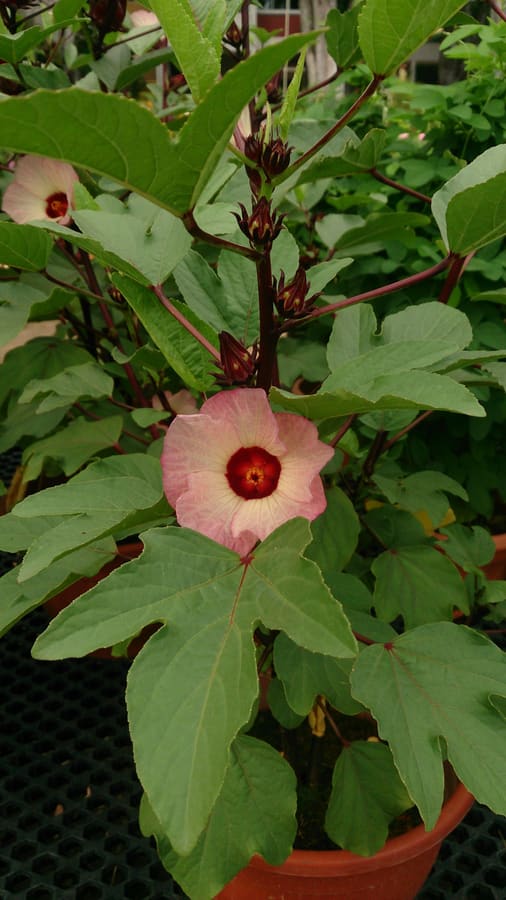 Hibiscus (Hibiscus sabdariffa)
Hibiscus (Hibiscus sabdariffa) is a shrub (reaching about 6½ ft / 2 m) producing large, showy flowers and brightly colored calyces. Valued for its tangy, ruby-red tea (“hibiscus tea” or “jamaica” in parts of Latin America), hibiscus is mildly sedative, cooling, and supportive of cardiovascular health, digestion, and general well-being.
 Linden (Tilia europaea)
Linden comprises deciduous trees growing to a height of 100 feet with smooth gray bark, heart-shaped leaves, and clusters of pale yellow flowers with winglike bracts. Native to Europe, it is found in the wild but is also much planted in gardens and along roads. The flowers are collected in summer. Greek myth recounts how the nymph Philyra, devastated after being raped by the god Cronus in the guise of a horse and giving birth to the centaur Chiron, begged the gods not to leave her amongst mortals. The gods granted her wish by transforming her into a linden tree, forever linking this graceful species with transformation and divine mercy.