
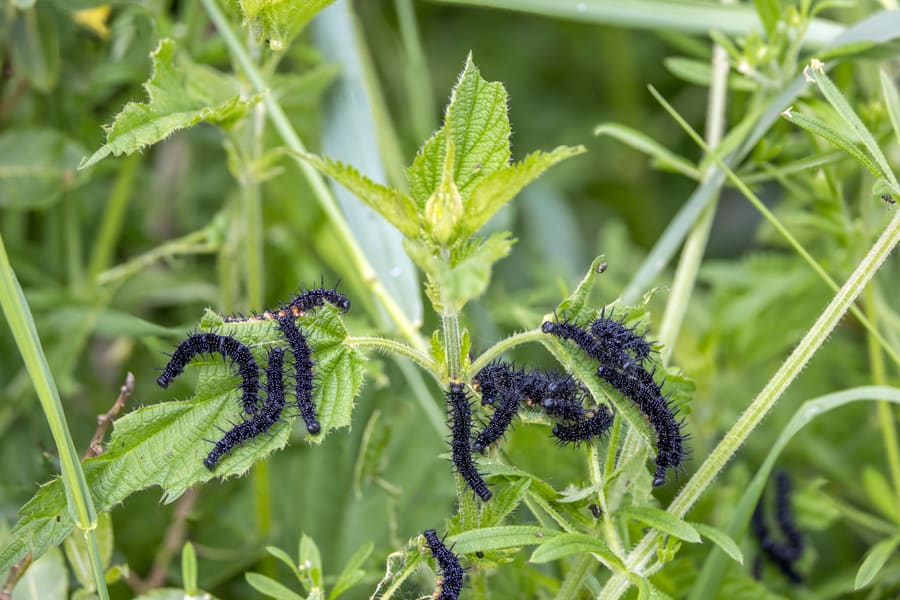
Nettle (Urtica dioica)
Photo: Charles J. Sharp · CC BY-SA 4.0
- Circulatory
- 4 conditions
- Licensed photo
Overview
Stinging nettle (Urtica dioica) is a perennial growing up to about 5 ft (1.5 m), recognized by its lance-shaped, serrated leaves and tiny greenish flowers. Though capable of “stinging,” nettle leaves and seeds are rich in protein, minerals, vitamins, and have a broad range of therapeutic effects, from anti-allergenic to diuretic.
Traditional uses & properties
Nutritive & Mineralizer: Abundant in iron, calcium, potassium, and magnesium, making it an excellent tonic for anemia, bone health, and pregnancy. Anti-Inflammatory & Anti-Allergenic: Calms hay fever, asthma, and skin issues; stabilizes mast cells and supports respiratory health. Diuretic & Kidney Tonic: Encourages excretion of uric acid, helpful for gout and rheumatism; seeds may benefit renal function. Benign Prostatic Hyperplasia (BPH): Studies show root extracts can improve urinary symptoms in men.
Traditional preparations
Traditional texts describe the preparations below, and where those texts give specific amounts, the amounts are quoted here as part of that record. This is a record of historical practice, not a dosage recommendation - the figures are what the sources say, not what HerbMate tells you to take. Amounts, potency, and safe use vary enormously by preparation, plant part, and person.
Make an infusion using 25 g of herb to 3 cups (750 ml) of water. Sip the whole dose at intervals throughout the day.
Safety & precautions
Stinging Hairs: Fresh leaves can irritate the skin; dried or cooked nettle does not sting. General Safety: Extremely safe when used in normal amounts.
Drug & food interactions
Interaction data is not available for this herb - talk to a pharmacist before combining it with any medication. A blank entry here means we have not documented interactions, not that none exist.
Habitat
Nettle grows in temperate zones worldwide, often in disturbed soils, near water, and in woodland edges. Young shoots are collected in spring; aerial parts are harvested during flowering in summer; the roots in autumn.
Traditionally used for
Each condition shows its first 2 remedies free. Premium opens the full remedy list for every condition - or come back for the free Condition of the Day.
Frequently asked questions
What is Nettle (Urtica dioica) traditionally used for?
Traditional sources describe Nettle (Urtica dioica) as follows: Nutritive & Mineralizer: Abundant in iron, calcium, potassium, and magnesium, making it an excellent tonic for anemia, bone health, and pregnancy. Anti-Inflammatory & Anti-Allergenic: Calms hay fever, asthma, and skin issues; stabilizes mast cells and supports respiratory health. Diuretic & Kidney Tonic: Encourages excretion of uric acid, helpful for gout and rheumatism; seeds may benefit renal function. Benign Prostatic Hyperplasia (BPH): Studies show root extracts can improve urinary symptoms in men.
How is Nettle (Urtica dioica) prepared?
Traditional texts describe the preparations below, and where those texts give specific amounts, the amounts are quoted here as part of that record. This is a record of historical practice, not a dosage recommendation - the figures are what the sources say, not what HerbMate tells you to take. Amounts, potency, and safe use vary enormously by preparation, plant part, and person. Anemia: Make an infusion using 25 g of herb to 3 cups (750 ml) of water. Sip the whole dose at intervals throughout the day.
What safety cautions apply to Nettle (Urtica dioica)?
Stinging Hairs: Fresh leaves can irritate the skin; dried or cooked nettle does not sting. General Safety: Extremely safe when used in normal amounts.
Related herbs
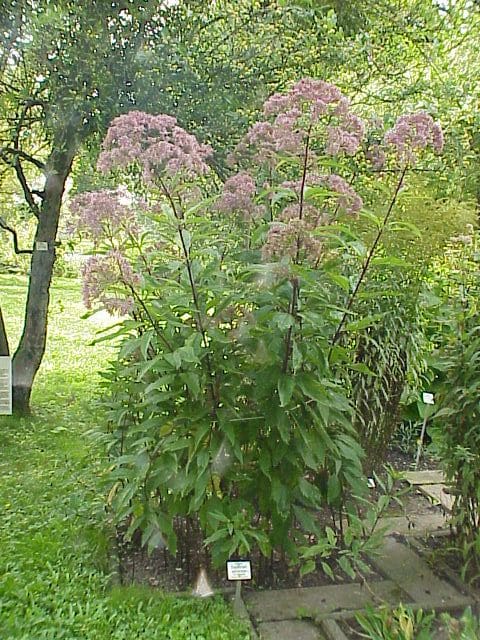 Gravel Root (Eupatorium purpureum)
Gravel root is an erect perennial growing to 5 feet with whorls of pointed oblong leaves and clusters of purple-pink florets. Native to eastern North America, the root is unearthed in autumn. The plant's alternative name, Joe Pye weed, honors the Native American said to have used it to cure New Englanders of typhus. Native Americans valued the herb as a diuretic and remedy for genitourinary conditions, and the root was listed in the Pharmacopoeia of the United States from 1820 to 1842, attesting to its recognized medicinal importance.
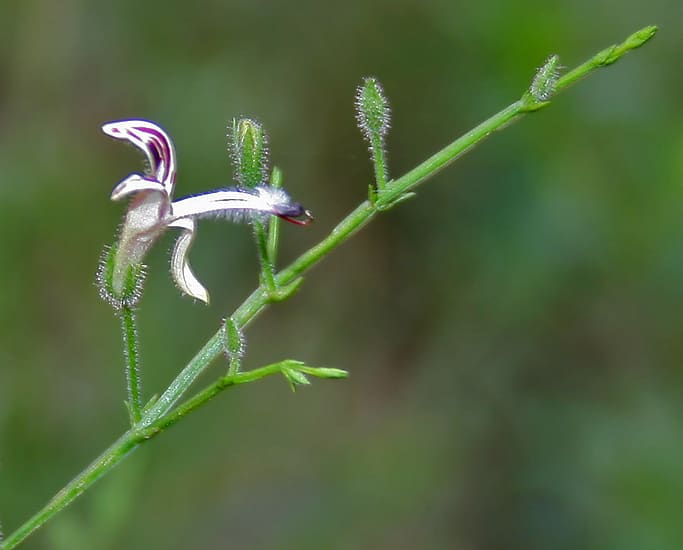 Andrographis (Andrographis paniculata)
Andrographis, commonly known as Green Chiretta or King of Bitters, is an upright annual herb reaching approximately 3 feet in height. Native to India and cultivated throughout northern regions of India and China, this bitter medicinal plant has been valued in Ayurvedic and traditional Chinese medicine for centuries. Historically used primarily for liver support and treating infections - especially malaria - it has earned recognition for its powerful immune-boosting and protective properties. The plant thrives on plains and in forest undergrowth, where its spotted pale brown or purple flowers and long seed capsules distinguish it from other medicinal herbs.
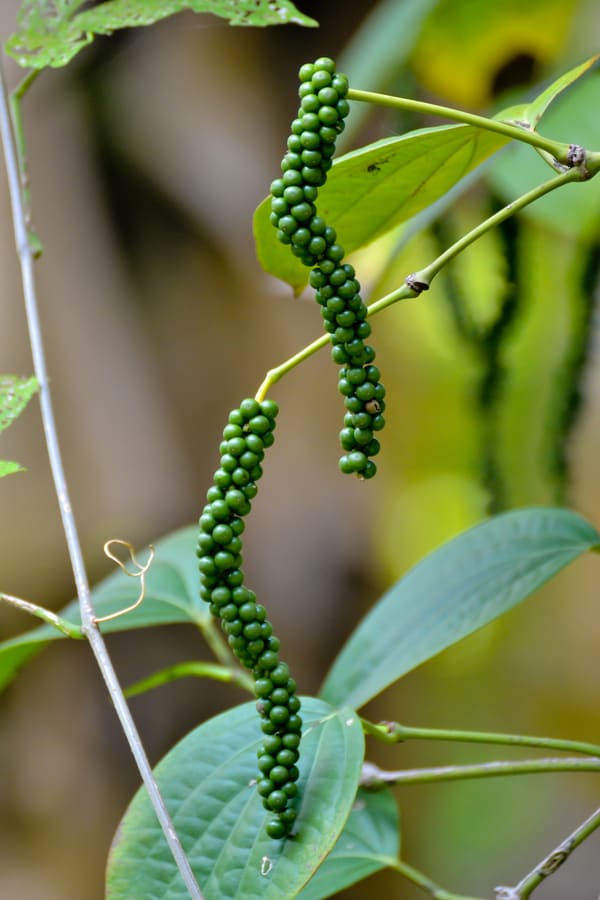 Black Pepper (Piper nigrum)
Black pepper is a perennial woody climbing vine growing to about 16 feet, with large oval leaves, spikes of small white flowers, and clusters of small round fruits that ripen from green to red. Native to southwestern India and now cultivated in tropical areas worldwide, the fruit is harvested from plants that are at least three years old. Different processing methods yield green, black, red, and white peppercorns, each with distinct flavors and uses. Cultivated as both a spice and medicine since ancient times, pepper was such a prized commodity in world trade that Attila the Hun reportedly demanded 3,000 pounds of it as ransom during his siege of Rome in 408 CE.
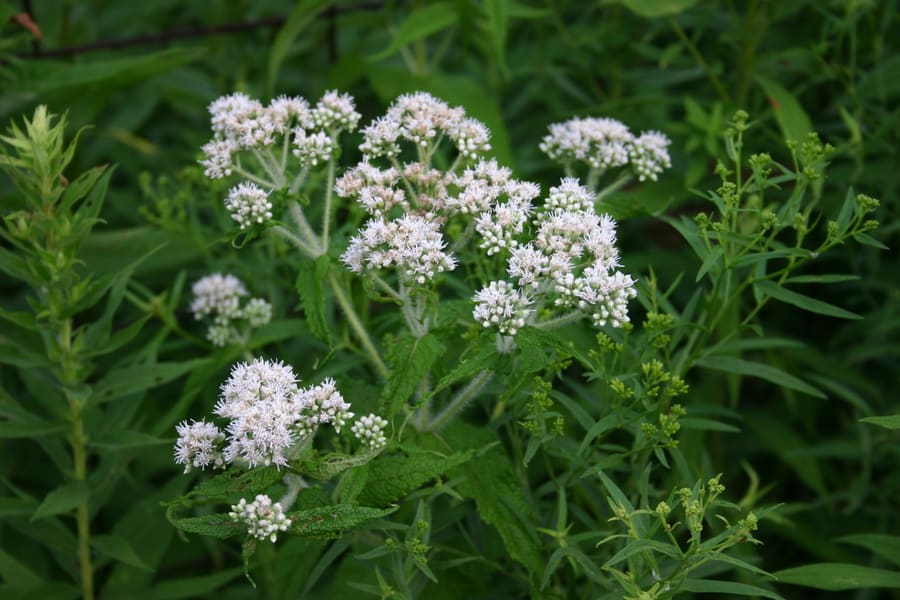 Boneset (Eupatorium perfoliatum)Not for self-dosing
Boneset (Eupatorium perfoliatum) is a bitter-tasting, upright perennial that can reach about 5 ft (1.5 m). It has lance-shaped leaves and clusters of small white or sometimes purple florets. Renowned in traditional American herbal medicine for colds, fevers, and influenza - especially when body aches are severe - it is believed to stimulate white blood cell activity and encourage sweating, thereby reducing fever and supporting the immune response.
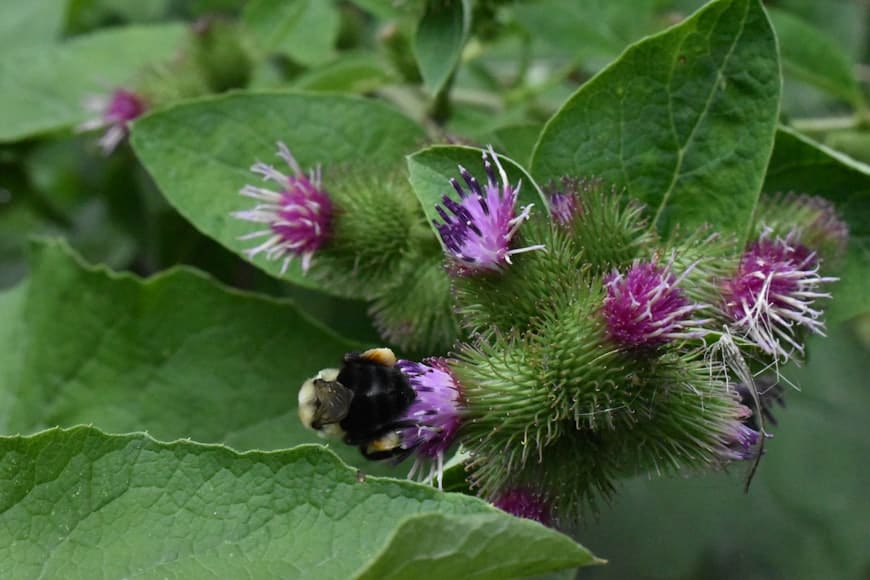 Burdock (Arctium lappa)
Burdock is a sturdy, bitter herb well-regarded for its detoxifying influence, especially on the skin and liver. It stimulates bile flow, supports liver function, and is frequently used to address acne, eczema, and other skin irritations. Its large leaves may be applied as a poultice to infected sores, and a strong root decoction can soothe itching when added to a bath. Burdock also stabilizes mast cells, potentially reducing allergic reactions.
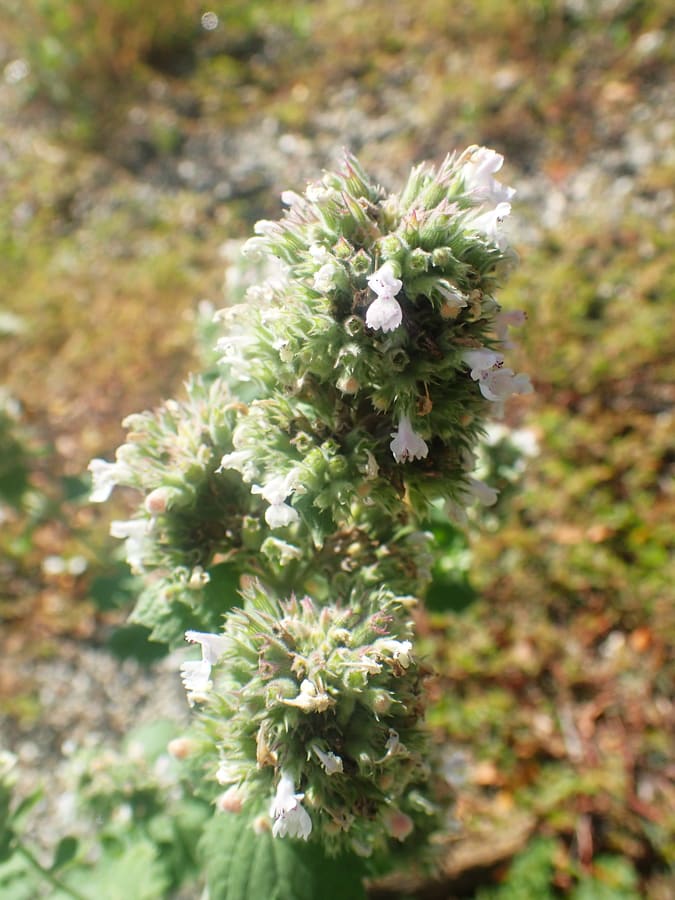 Catnip (Nepeta cataria)
Catnip is a downy, aromatic perennial growing to 3 feet with heart-shaped, gray-green leaves and whorls of white flowers marked with purple spots. Native to Europe and naturalized in North America, it grows in dry wayside places and mountainous regions up to altitudes of 5,000 feet. The plant is gathered when in flower during summer and autumn. Its name comes from the Norse word 'dylla,' meaning 'to soothe,' reflecting its calming properties. Catnip has an excitatory effect on cats but a sedative effect on humans.
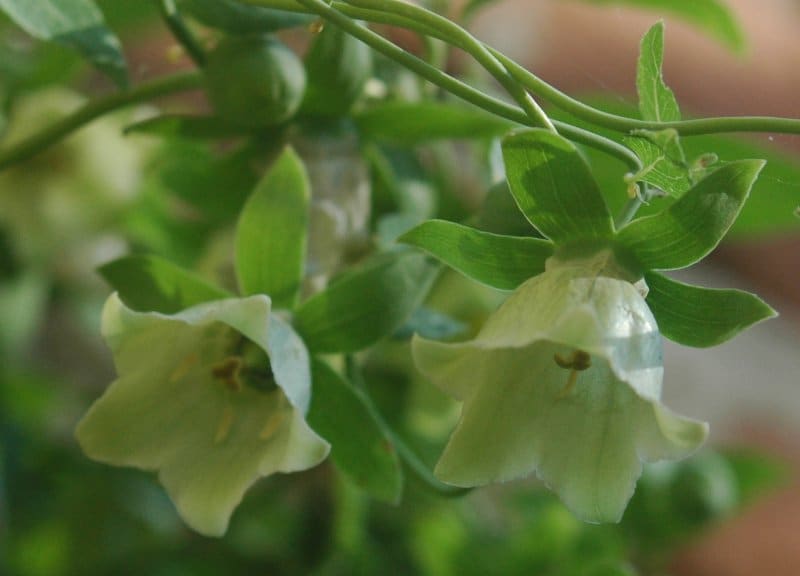 Codonopsis (Codonopsis pilosula)
Codonopsis is a small twining perennial growing to 5 feet with oval leaves and pendulous green and purple bell-shaped flowers marked with purple in summer. Native to northeastern China and growing throughout the region - especially in the Shanxi and Szechuan provinces - it is propagated from seed in spring or autumn, and the root is harvested in autumn once the aerial parts have died down. In Chinese herbal medicine, codonopsis holds a central place as a gentle tonic that increases energy levels, improves physical and mental well-being, and helps the body adapt to stress.
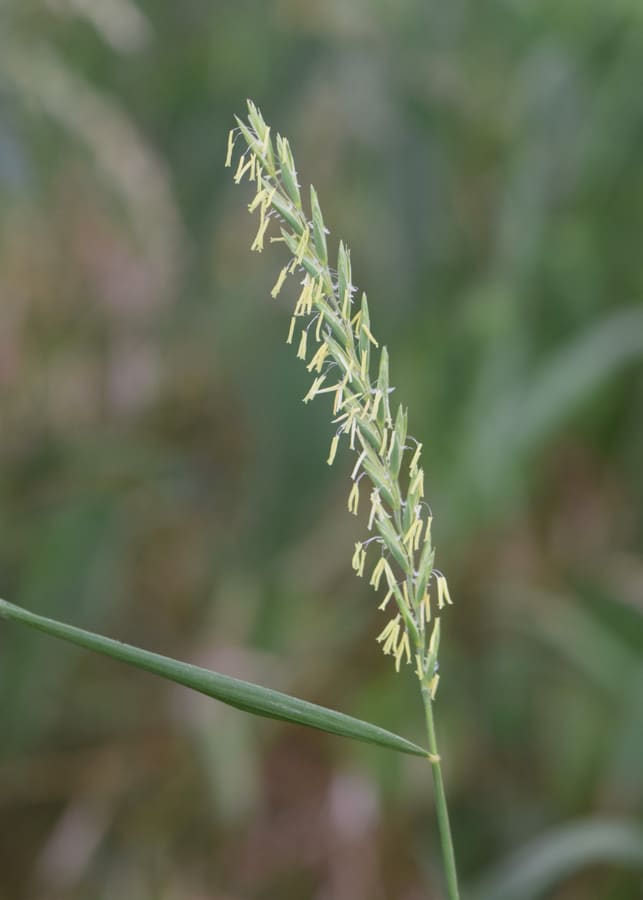 Couch Grass (Elymus repens)
Couch grass is a vigorous perennial growing to 32 inches with a long, creeping rhizome, slender leaves, and erect spikes bearing green flowers aligned in two rows. Found in Europe, the Americas, northern Asia, and Australia, it is an invasive weed harvested throughout the year. In classical times, both Dioscorides (40-90 CE) and Pliny (23-79 CE) recommended couch grass root for poor urine flow and kidney stones. The herbalist John Gerard wrote in 1597 that 'Couch-grasse be an unwelcome guest to fields and gardens, yet his physicke virtues do recompense those hurts; for it openeth the stoppings of the liver and reins [ureters] without heat.' In times of famine, the root was roasted and ground as a substitute for coffee and flour.