
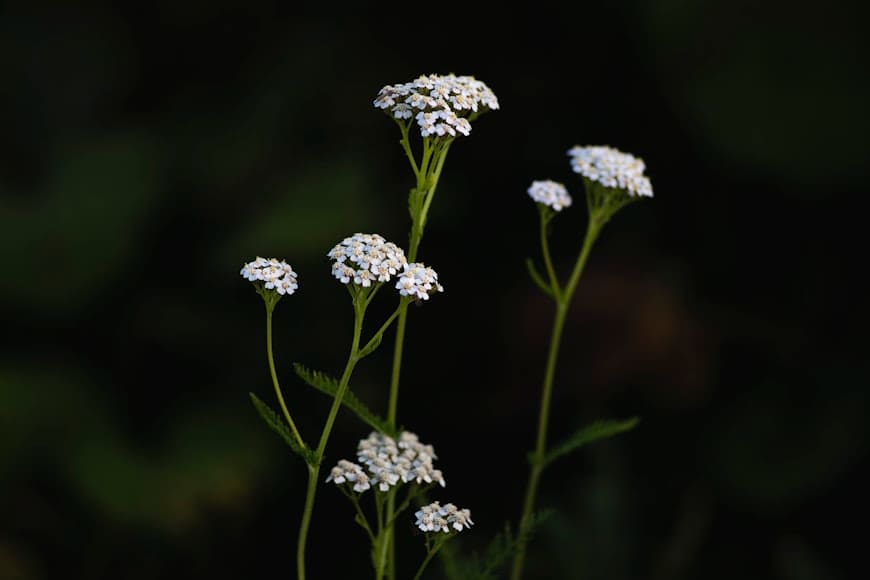
Yarrow (Achillea millefolium)
Photo: Unsplash
- Female Reproductive
- 2 conditions
- Licensed photo
Overview
Yarrow (Achillea millefolium) is a creeping perennial, up to 3 ft (1 m) tall, featuring feathery, finely divided leaves and flat-topped clusters of white or pale pink flower heads. Renowned since ancient times as a wound herb and fever remedy, yarrow is an all-purpose herb for circulatory health, cold & flu support, and menstrual regulation.
Traditional uses & properties
Diaphoretic & Febrifuge: Excellent for inducing sweating to break a fever in colds and flu (often combined with peppermint). Hemostatic & Astringent: Traditionally applied to wounds, nosebleeds, and bleeding ulcers; helps tone varicose veins. Anti-Inflammatory & Antiviral: Eases inflamed tissues, mild bronchial or urinary infections. Digestive & Menstrual Aid: The bitters support appetite, help soothe menstrual cramps, and regulate bleeding patterns.
Traditional preparations
Traditional texts describe the preparations below, and where those texts give specific amounts, the amounts are quoted here as part of that record. This is a record of historical practice, not a dosage recommendation - the figures are what the sources say, not what HerbMate tells you to take. Amounts, potency, and safe use vary enormously by preparation, plant part, and person.
Can be crushed and applied topically as a poultice for cuts and insect bites
Fresh flower and leaf (1:2, 95% alcohol); dried flowers and leaf (1:5, 40% alcohol); 5 drops to 2 ml (0.4 tsp.) 3 times daily
4-8 ounces 3 times daily. The tea tastes better when mixed with equal parts peppermint.
An infusion can be used as a soak or as a compress. The tincture can be applied to bites and stings, or used as a wound wash (it burns).
Fresh flowers (1:6, 80% glycerin sealed simmer method), 0.25 - 1 ml (0.05-0.2 tsp.) 3 times daily; dried flowers (1:6), 1-3 ml (0.2-0.6 tsp.) 3 times daily; add full dose to a cup of hot water for an instant diaphoretic tea.
Safety & precautions
Pregnancy: Avoid internal use; it can stimulate uterine contractions. Allergic Reactions: Rare but possible for those sensitive to the daisy family. Occasional Internal Use: Generally safe for short-term medicinal purposes rather than daily long-term consumption.
Drug & food interactions
Interaction data is not available for this herb - talk to a pharmacist before combining it with any medication. A blank entry here means we have not documented interactions, not that none exist.
Habitat
Originating in Europe and western Asia, now found worldwide in meadows, roadsides, and open fields. It spreads via roots and self-seeding. The aerial parts - stalk, leaves, and flowers - are collected in summer when in bloom.
Traditionally used for
Each condition shows its first 2 remedies free. Premium opens the full remedy list for every condition - or come back for the free Condition of the Day.
Frequently asked questions
What is Yarrow (Achillea millefolium) traditionally used for?
Traditional sources describe Yarrow (Achillea millefolium) as follows: Diaphoretic & Febrifuge: Excellent for inducing sweating to break a fever in colds and flu (often combined with peppermint). Hemostatic & Astringent: Traditionally applied to wounds, nosebleeds, and bleeding ulcers; helps tone varicose veins. Anti-Inflammatory & Antiviral: Eases inflamed tissues, mild bronchial or urinary infections. Digestive & Menstrual Aid: The bitters support appetite, help soothe menstrual cramps, and regulate bleeding patterns.
How is Yarrow (Achillea millefolium) prepared?
Traditional texts describe the preparations below, and where those texts give specific amounts, the amounts are quoted here as part of that record. This is a record of historical practice, not a dosage recommendation - the figures are what the sources say, not what HerbMate tells you to take. Amounts, potency, and safe use vary enormously by preparation, plant part, and person. FRESH LEAVES: Can be crushed and applied topically as a poultice for cuts and insect bites TINCTURE: Fresh flower and leaf (1:2, 95% alcohol); dried flowers and leaf (1:5, 40% alcohol); 5 drops to 2 ml (0.4 tsp.) 3 times daily STANDARD INFUSION: 4-8 ounces 3 times daily. The tea tastes better when mixed with equal parts peppermint. TOPICAL USE: An infusion can be used as a soak or as a compress. The tincture can be applied to bites and stings, or used as a wound wash (it burns). GLYCERITE: Fresh flowers (1:6, 80% glycerin sealed simmer method), 0.25 - 1 ml (0.05-0.2 tsp.) 3 times daily; dried flowers (1:6), 1-3 ml (0.2-0.6 tsp.) 3 times daily; add full dose to a cup of hot water for an instant diaphoretic tea.
What safety cautions apply to Yarrow (Achillea millefolium)?
Pregnancy: Avoid internal use; it can stimulate uterine contractions. Allergic Reactions: Rare but possible for those sensitive to the daisy family. Occasional Internal Use: Generally safe for short-term medicinal purposes rather than daily long-term consumption.
Related herbs
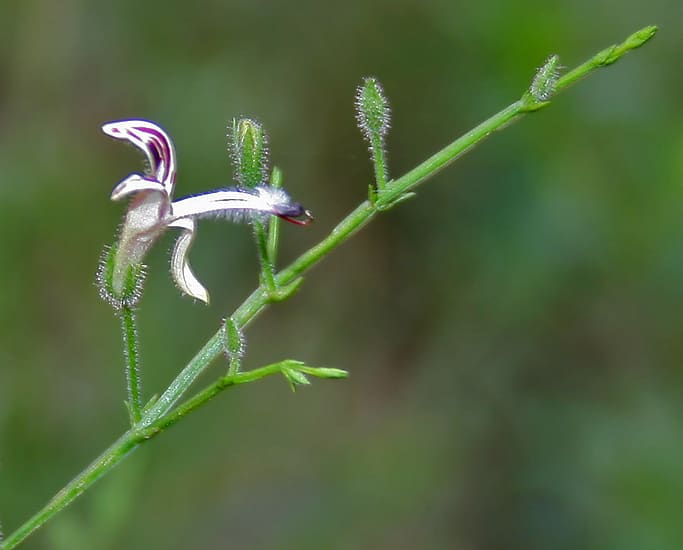 Andrographis (Andrographis paniculata)
Andrographis, commonly known as Green Chiretta or King of Bitters, is an upright annual herb reaching approximately 3 feet in height. Native to India and cultivated throughout northern regions of India and China, this bitter medicinal plant has been valued in Ayurvedic and traditional Chinese medicine for centuries. Historically used primarily for liver support and treating infections - especially malaria - it has earned recognition for its powerful immune-boosting and protective properties. The plant thrives on plains and in forest undergrowth, where its spotted pale brown or purple flowers and long seed capsules distinguish it from other medicinal herbs.
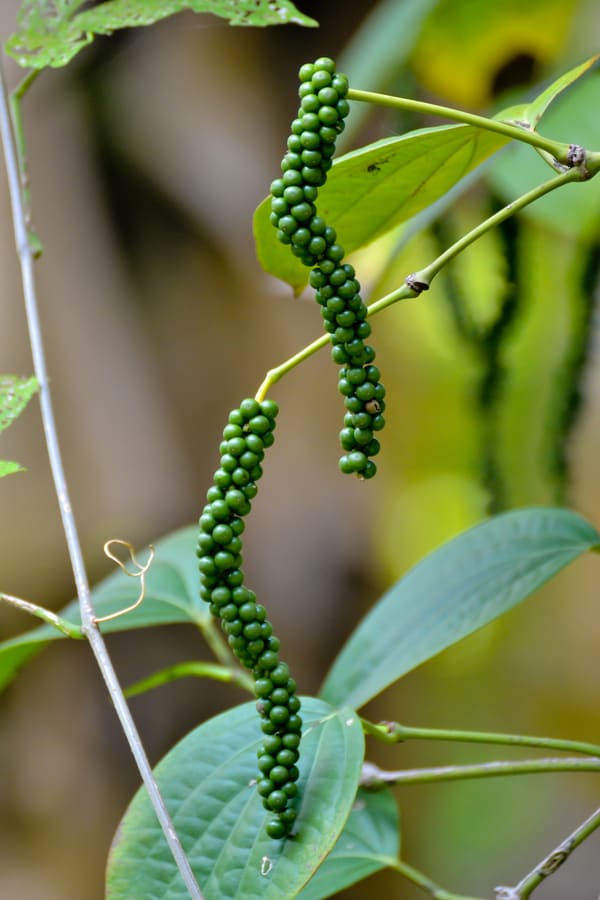 Black Pepper (Piper nigrum)
Black pepper is a perennial woody climbing vine growing to about 16 feet, with large oval leaves, spikes of small white flowers, and clusters of small round fruits that ripen from green to red. Native to southwestern India and now cultivated in tropical areas worldwide, the fruit is harvested from plants that are at least three years old. Different processing methods yield green, black, red, and white peppercorns, each with distinct flavors and uses. Cultivated as both a spice and medicine since ancient times, pepper was such a prized commodity in world trade that Attila the Hun reportedly demanded 3,000 pounds of it as ransom during his siege of Rome in 408 CE.
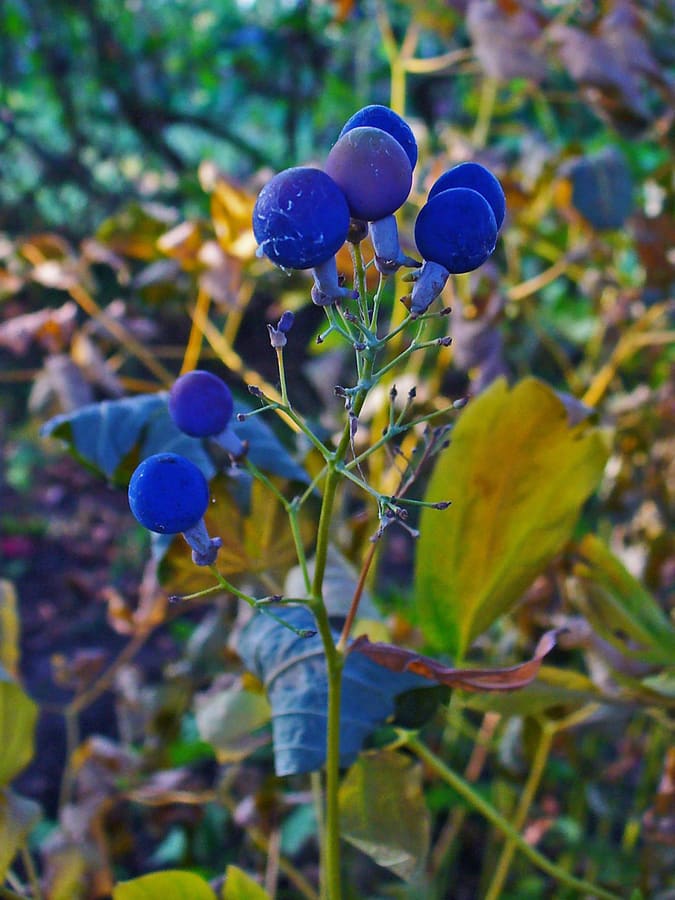 Blue Cohosh (Caulophyllum thalictroides)Not for self-dosing
Blue cohosh is an upright perennial herb reaching 3 feet in height, with large three-lobed leaves, yellow to purple flowers, and striking blue berries. It grows wild in much of eastern North America from Manitoba to Alabama, preferring woodland valleys and damp, north-facing slopes. The name 'cohosh' comes from the Algonquin language, and the plant was a popular remedy among many Native American tribes. Though taken by both sexes for genitourinary issues, it was primarily valued as a women's herb, and that tradition continues in modern herbal practice.
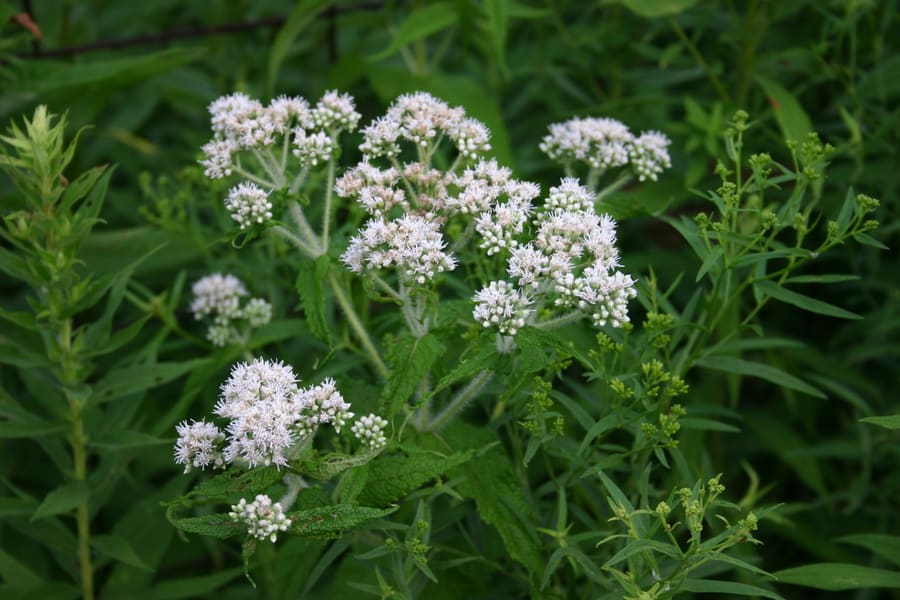 Boneset (Eupatorium perfoliatum)Not for self-dosing
Boneset (Eupatorium perfoliatum) is a bitter-tasting, upright perennial that can reach about 5 ft (1.5 m). It has lance-shaped leaves and clusters of small white or sometimes purple florets. Renowned in traditional American herbal medicine for colds, fevers, and influenza - especially when body aches are severe - it is believed to stimulate white blood cell activity and encourage sweating, thereby reducing fever and supporting the immune response.
 Caraway (Carum carvi)
Caraway is an aromatic annual herb growing to 2 feet with a ridged stem, feathery leaves, and umbels of white flowers in midsummer. Exploding capsules release two small narrow seeds. It grows wild in Europe, North Africa, and Asia, preferring sunny sites up to 6,600 feet above sea level. Cultivated in Europe, Russia, North Africa, and the United States, the seeds are harvested ripe in late summer. Caraway has been valued since ancient times for its digestive and respiratory benefits, and the seeds are commonly used in cooking.
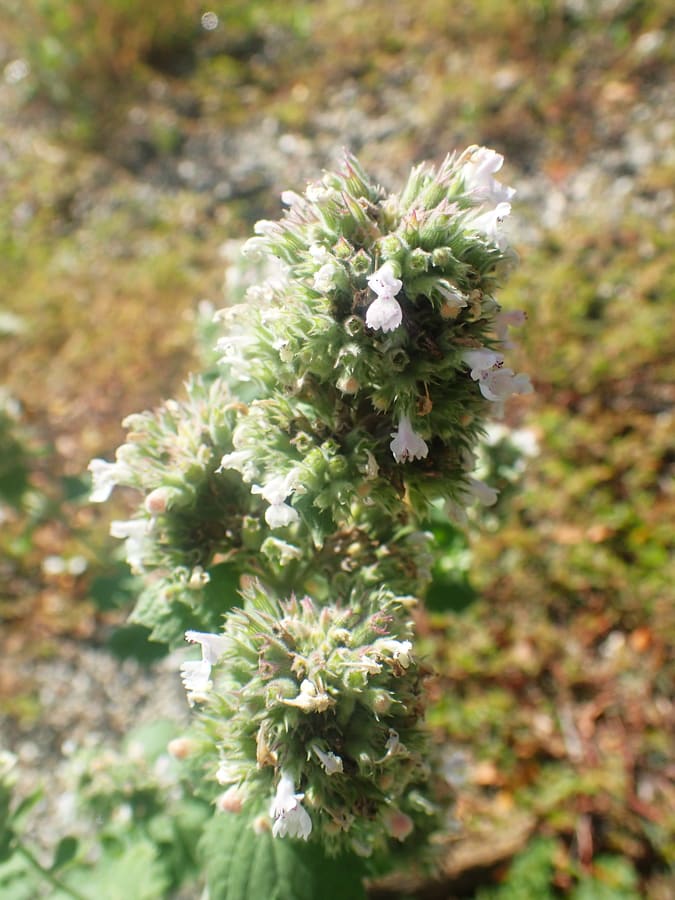 Catnip (Nepeta cataria)
Catnip is a downy, aromatic perennial growing to 3 feet with heart-shaped, gray-green leaves and whorls of white flowers marked with purple spots. Native to Europe and naturalized in North America, it grows in dry wayside places and mountainous regions up to altitudes of 5,000 feet. The plant is gathered when in flower during summer and autumn. Its name comes from the Norse word 'dylla,' meaning 'to soothe,' reflecting its calming properties. Catnip has an excitatory effect on cats but a sedative effect on humans.
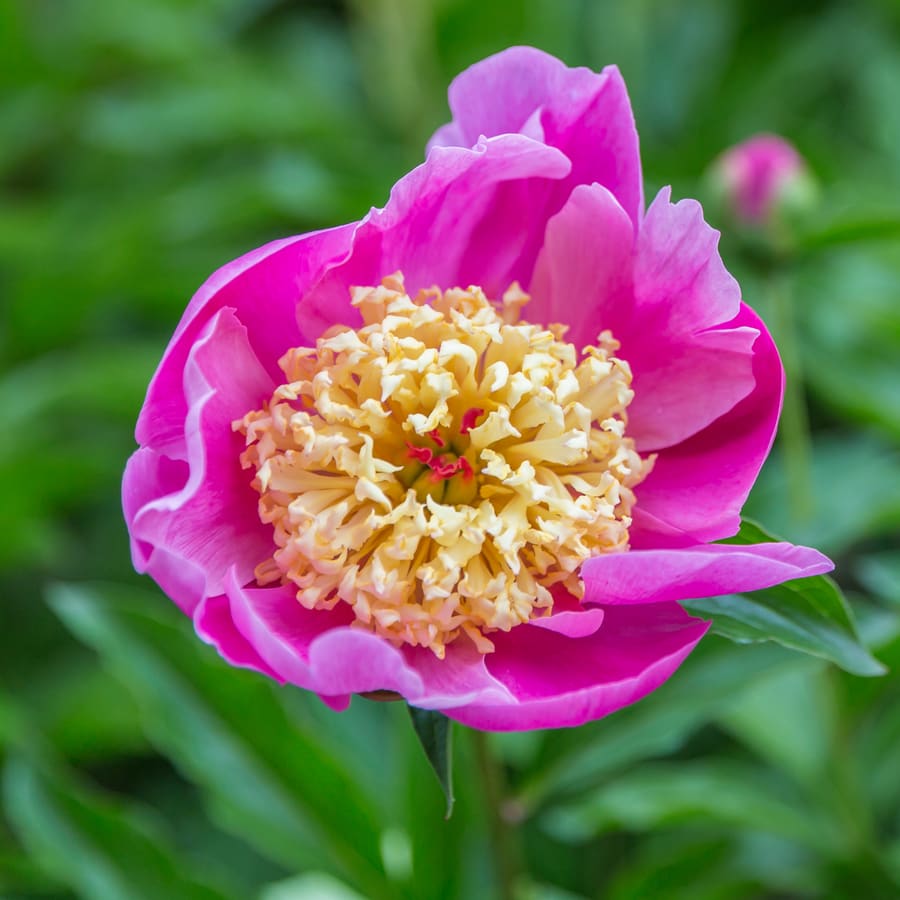 Chinese Peony / White Peony (Paeonia lactiflora)
White peony is an upright perennial growing to 6.5 feet with large white flowers and divided, dark green leaves. Its history of medicinal use in China stretches back at least 1,500 years, most notably as one of the herbs in 'Four Things Soup,' a renowned female tonic. Traditionally, it is believed that women who take the herb regularly become as radiant as the flower itself. The plant is cultivated throughout northeastern China and Inner Mongolia, propagated from seed in spring or from root cuttings in winter. The root of 4- or 5-year-old plants is harvested in spring or autumn and valued as a hormonal tonic.
- Corydalis (Corydalis yanhusuo)
Corydalis is a small herbaceous perennial growing to 8 inches with narrow leaves and pink flowers. Native to Siberia, northern China, and Japan, it is commonly cultivated in eastern and northeastern parts of China. Propagated from seed in early spring or autumn, the rhizome is harvested in late spring and early summer when the aerial parts have withered. This important Chinese remedy has been used at least since the 8th century to help 'invigorate the blood' and relieve almost any painful condition, particularly menstrual cramps and chest and abdominal pain.